Shein, Temu and Other Non-EU Platforms Will Collect VAT on Every Order and Show Duty at Checkout From July 2028 Under an EU Ministers' Deal
EU finance ministers agreed on 9 November that non-EU platforms will collect VAT on every item they sell into the EU and show VAT and duty in the checkout price from 1 July 2028. Until then, the 3 euro duty and 2 euro handling fee still apply.
From 1 July 2028, anyone in Portugal buying from Shein, Temu, AliExpress or any other online platform based outside the European Union should see the full VAT and customs duty in the price at checkout, whatever the order is worth. EU finance ministers agreed the rule in Brussels on Monday, 9 November, the Council of the EU said. In practice that should mean no surprise charge when the parcel arrives.
It is not in force yet. The European Parliament still has to give its opinion before the Council formally adopts the text, and nothing changes at checkout before July 2028. Until then, the charges that started on 1 November stay as they are: the flat 3 euro customs duty and the 2 euro EU handling fee per item type, as we explained on 30 October.
What the ministers agreed
The deal changes the EU VAT Directive in three ways.
- The platform pays the VAT. Online marketplaces based outside the EU become the "deemed supplier" (the business treated as the seller for tax purposes) on every item they sell into the EU, at any value. The Council says the platform itself collects the VAT for the seller and the buyer and passes it to the tax authorities, and should "display and include all VAT and customs due in the final price paid by EU consumers at check-out".
- No more 150 euro cap on the IOSS. The Import One Stop Shop (IOSS) lets a non-EU seller register for VAT in one EU country and cover the whole bloc. At the moment it can only be used for parcels worth less than 150 euros. Under the deal it covers goods of any value.
- Bulk stock held in the EU is covered. Platforms often ship goods in bulk to customs warehouses in the EU and repack them there for individual buyers. Those sales also come under the IOSS.
Products subject to excise duty, such as alcohol and tobacco, are excluded, according to the compromise text sent to ministers.
When it applies
The compromise text gives member states, Portugal included, until 30 June 2028 to write the rules into national law and apply them from 1 July 2028. That date is tied to the launch of the new EU customs data hub. If the hub's IOSS functions are not working by 1 June 2028, the start date moves back until a transitional arrangement in the new Union Customs Code comes to an end. The European Commission must review the scheme by 1 December 2030.
As ECO points out, today a platform collects VAT at the point of sale only on parcels up to 150 euros, and only when the seller is registered for the IOSS. On dearer orders the tax is charged at customs clearance, after you have paid.
What it means for you
- Nothing changes before July 2028. Check whether VAT, duty and the handling fee are in your checkout total. If they are not, expect to pay them on delivery, plus the carrier's clearance charge.
- From July 2028, the price shown on a non-EU platform should be the price you pay, whatever the order is worth.
- Retailers outside the platforms that sell to you directly can use the extended IOSS on dearer orders too, though the deemed-supplier duty falls only on the platforms.
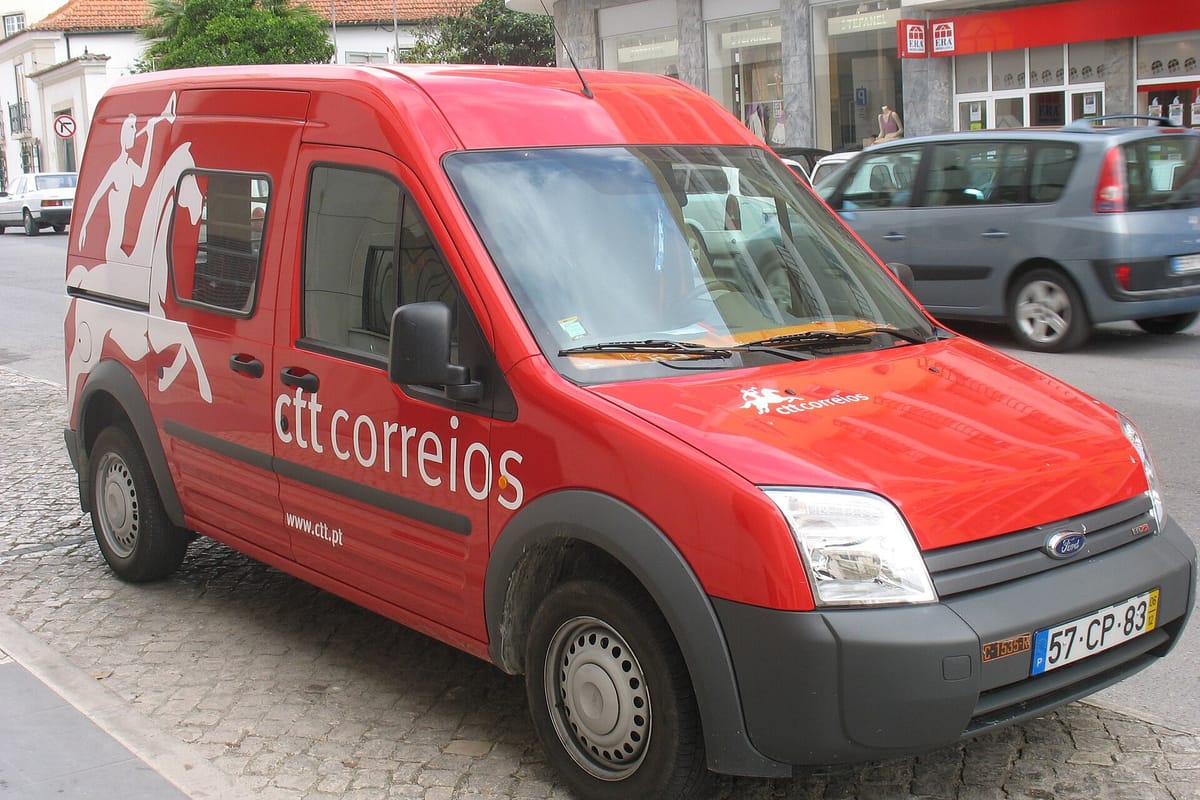
The deal completes the EU's customs reform, which also makes the non-EU seller or platform the importer for customs purposes. Those changes have already cost CTT, the national postal operator: it blamed them for a 39.8 percent fall in nine-month profit.