Seguro Lays Out a Mediterranean-Atlantic AI Platform at the 19th COTEC Europa Symposium in Venice — Memorandum With Spain and Italy Sets a European Rights-and-Democracy Third Way Between the American Market and Chinese State Models
President António José Seguro pitched a Mediterranean-Atlantic AI Platform at the 19th COTEC Europa symposium in Venice on Wednesday, signing a memorandum with Italy's Mattarella and Spain's Felipe VI to anchor a European rights-and-democracy third way between US market and Chinese state AI models.
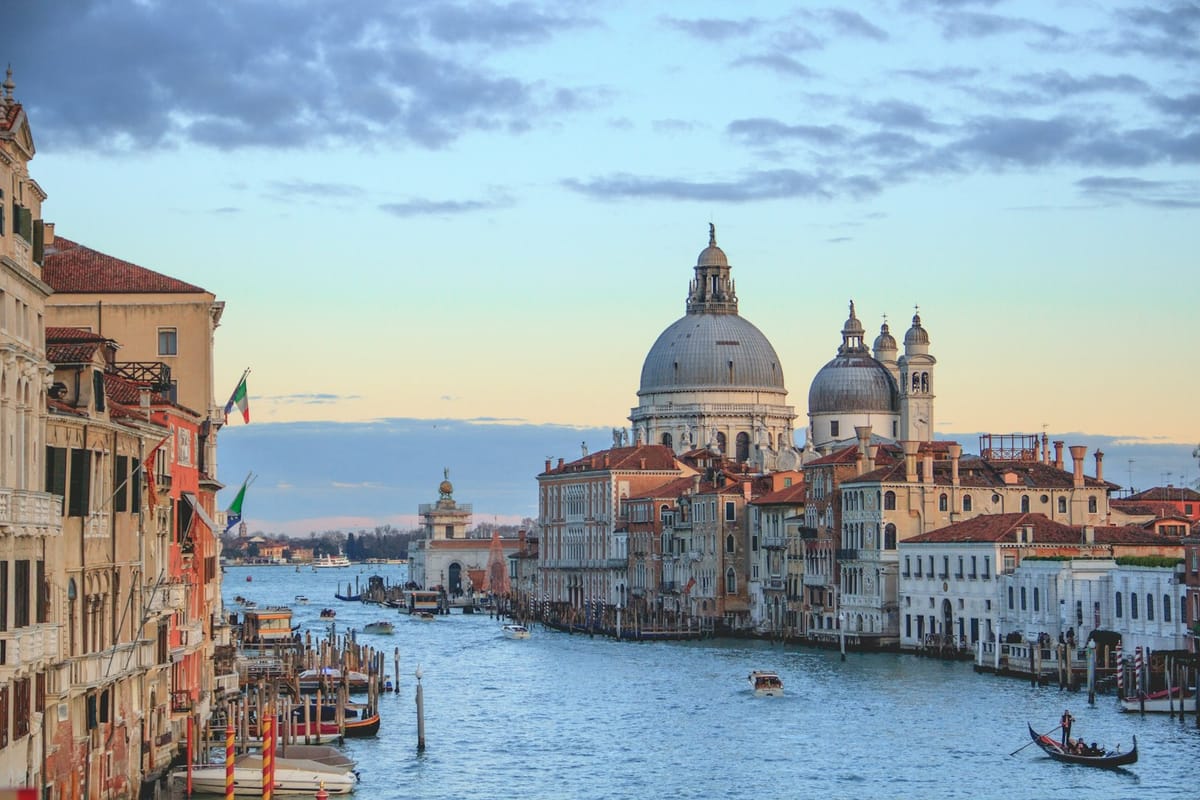
Portuguese President António José Seguro used the 19th edition of the COTEC Europa symposium — held on the island of San Giorgio Maggiore in Venice on Wednesday — to set out a southern-European positioning on artificial intelligence (AI), calling for a “Plataforma Mediterrânica-Atlântica” (Mediterranean-Atlantic Platform) anchored by Portugal, Spain and Italy and signing a memorando de entendimento (memorandum of understanding) alongside Italian President Sergio Mattarella and Spanish King Felipe VI. The symposium's theme — “Repensar o trabalho na era da IA: Transformação, Oportunidade, Governação” (Rethinking work in the age of AI: Transformation, Opportunity, Governance) — set the frame for a speech that explicitly mapped Europe's positioning as a third path between the two dominant global models.
“O mundo está a assistir a uma corrida entre dois modelos de IA: o modelo americano, orientado para o mercado, e o modelo chinês, orientado para o controlo do Estado. A Europa tem uma outra via, orientada para o desenvolvimento, assente nos direitos e na democracia,” Seguro told the symposium. (The world is watching a race between two AI models: the American market-orientated model and the Chinese state-control-orientated model. Europe has another path, development-orientated, founded on rights and democracy.) He argued the three southern partners are not the largest or the fastest movers but can be “os mais responsáveis” — the most responsible — framing responsibility as a competitive advantage rather than a constraint.
The substantive pitch sits in the geographic and resource positioning Seguro mapped. “Temos universidades, engenheiros, empresas, energia renovável, conectividade, capacidade industrial e uma relação histórica com geografias que contam cada vez mais no xadrez mundial. O que nos falta muitas vezes é a escala e a coordenação,” he said. (We have universities, engineers, companies, renewable energy, connectivity, industrial capacity and a historic relationship with geographies that count more and more on the world chessboard. What we often lack is scale and coordination.) The memorandum signed alongside Mattarella and Felipe VI is intended, Seguro added, to ensure cooperation between the three states is “mais do que uma fotografia institucional” (more than an institutional photograph) and translates into “instrumentos concretos” (concrete instruments).
Seguro framed the risk explicitly: AI systems reproduce the values of whoever designs them, the data on which they are trained and the incentives of those who finance them — and when those values are “os da maximização do lucro sem critério” (those of profit maximisation without criteria) or “os dos sistemas políticos que não prestam contas a ninguém” (those of political systems accountable to no one), the result is “inovação contra as pessoas” (innovation against people) rather than at their service. That framing is the diplomatic packaging for what is effectively a regulatory and infrastructure pitch.
The proposal lands against a continental backdrop in which Brussels has spent the past three years legislating around the EU AI Act and the AI Liability Directive, but where the build-out of AI infrastructure, talent retention and large-scale deployment remains concentrated in northern Europe — France's Mistral, Germany's DFKI orbit and the Netherlands' ASML-anchored hardware chain. The Mediterranean-Atlantic frame Seguro proposed positions Portugal, Spain and Italy as a coordinated southern bloc bringing renewable-energy abundance, port and connectivity geography across the Atlantic-Mediterranean axis, and emerging compute infrastructure — Portugal's Start Campus in Sines, Spain's Microsoft and Amazon Aragón builds and Italy's Bologna-anchored EuroHPC node — into a shared deployment plane.
For Portugal specifically, the COTEC framing builds on the €5 million Plano de Recuperação e Resiliência (Recovery and Resilience Plan — PRR) commitment that Education and Science Minister Fernando Alexandre confirmed Monday from Macau for the Amália Portuguese-language model, due for public release by end-June. Pairing Amália with a Mediterranean-Atlantic platform pitch reads as an attempt to escape what Seguro called a “lugar periférico” (peripheral place) in the European AI build — by positioning Portugal not just as a national contributor but as a co-leader of a three-state southern axis. Whether the memorandum's “instrumentos concretos” line gets fleshed out into joint funding, joint procurement or a shared compute consortium will be the marker that follows.