Saúde Treats 3,493 Bed-Blocking Patients as a National Priority — Ana Paula Martins Pushes 10-Year IPSS Pacts and Nursing-Home Family Doctors
Health Minister Ana Paula Martins called Portugal's bed-blocking caseload a "national priority" in remarks published on 5 June, after Direção Executiva do SNS (Executive Directorate of the National Health Service) data showed that 3,493 patients...
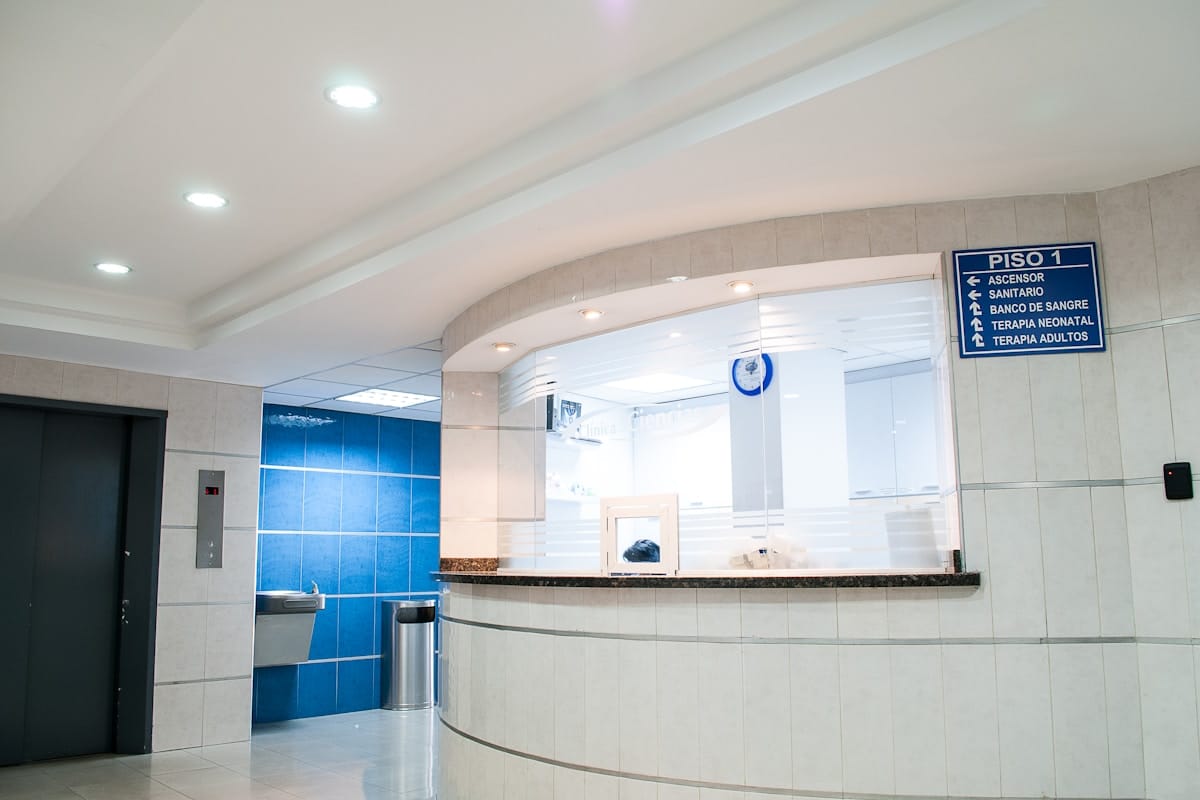
Health Minister Ana Paula Martins called Portugal's bed-blocking caseload a "national priority" in remarks published on 5 June, after Direção Executiva do SNS (Executive Directorate of the National Health Service) data showed that 3,493 patients were occupying hospital beds at the end of April despite holding clinical discharge clearances. The minister told Público the figure is equivalent to taking 14 to 15 hospital units offline, with roughly 240 beds each — "comparable to shutting three major Lisbon health units simultaneously."
Why the patients cannot leave
The Serviço Nacional de Saúde (SNS, National Health Service) classifies these cases as altas proteladas — clinically discharged but with no safe destination. The reasons split roughly into three buckets: families who cannot take dependants home, social-sector institutions that have no vacancies, and a small but persistent court-administration tail. Of the April caseload, 405 patients are waiting on Tribunal de Família (Family Court) decisions on guardianship, with some files open for more than twelve months.
The numerical effect on the SNS is large enough to show up in everyday emergency-room flow. The Direção Executiva calculates that altas proteladas reduce the system's response capacity by 14.4%, a figure the minister cited in parliamentary testimony on 4 June. The hardest-hit hospitals are Centro Hospitalar Universitário Lisboa Central (CHULC), Centro Hospitalar Universitário São João in Porto, and the Hospital Garcia de Orta in Almada — each of which has more than 200 such patients on any given week.
The Sad+Saúde pilot
To open a path out, the Ministério da Saúde (Ministry of Health) launched the Sad+Saúde programme in May 2026 with five Instituições Particulares de Solidariedade Social (IPSS, Private Social Solidarity Institutions) — one in each mainland region. The pilot bundles integrated home care with medical follow-up for dependent patients who would otherwise be admitted to hospital. The IPSS receive a per-patient envelope and a state-backed clinical-record link to the local Agrupamento de Centros de Saúde (ACES, Group of Primary-Care Centres).
If the pilot delivers the projected reduction in long-stay admissions by April 2027, the ministry plans to roll out the framework nationally with 10-year operating pacts — a contractual length unusual in the SNS, designed to give the social sector enough financial visibility to build new residential capacity.
Nursing-home doctors as family doctors
A November 2025 dispatch authorised physicians attached to nursing homes to formally register residents as their family-doctor patients. Martins is now pushing to broaden the mechanism: any resident in an Estrutura Residencial para Pessoas Idosas (ERPI, Residential Structure for Elderly Persons) where a qualified clínico geral (general practitioner) is on staff would default to that doctor for primary care, eliminating the need to travel to an ACES centre. The Ordem dos Médicos (Medical Association) has flagged reservations about workload and conflict of interest but has not blocked the change.
The funding question
The Orçamento do Estado para 2026 (2026 State Budget) earmarked €78 million for integrated continued-care convention beds, but the rede nacional de cuidados continuados integrados (RNCCI, National Integrated Continued Care Network) entered the year with a 1,200-bed waiting list. Tackling altas proteladas at scale requires either a substantial expansion of those convention beds or a structural shift toward home-based care — and Martins indicated on 5 June that the 2027 budget cycle will have to carry both lines if the SNS is to recover the 14.4% capacity drag the bed-blocking caseload now imposes.