Rui Rocha Maps Out €550 Million Firefighter Modernisation Plan Over the Next Decade — PTRR Envelope Anchors Vehicles, Quartéis, Asbestos Removal and Aerial-Ladder Wishlist
Rui Rocha tells Jornal de Notícias the Civil Protection Authority's audit puts the firefighter modernisation gap at €550 million over 10 years — vehicles, quartéis, asbestos removal and aerial ladders sit at the top, funded through the PTRR envelope.
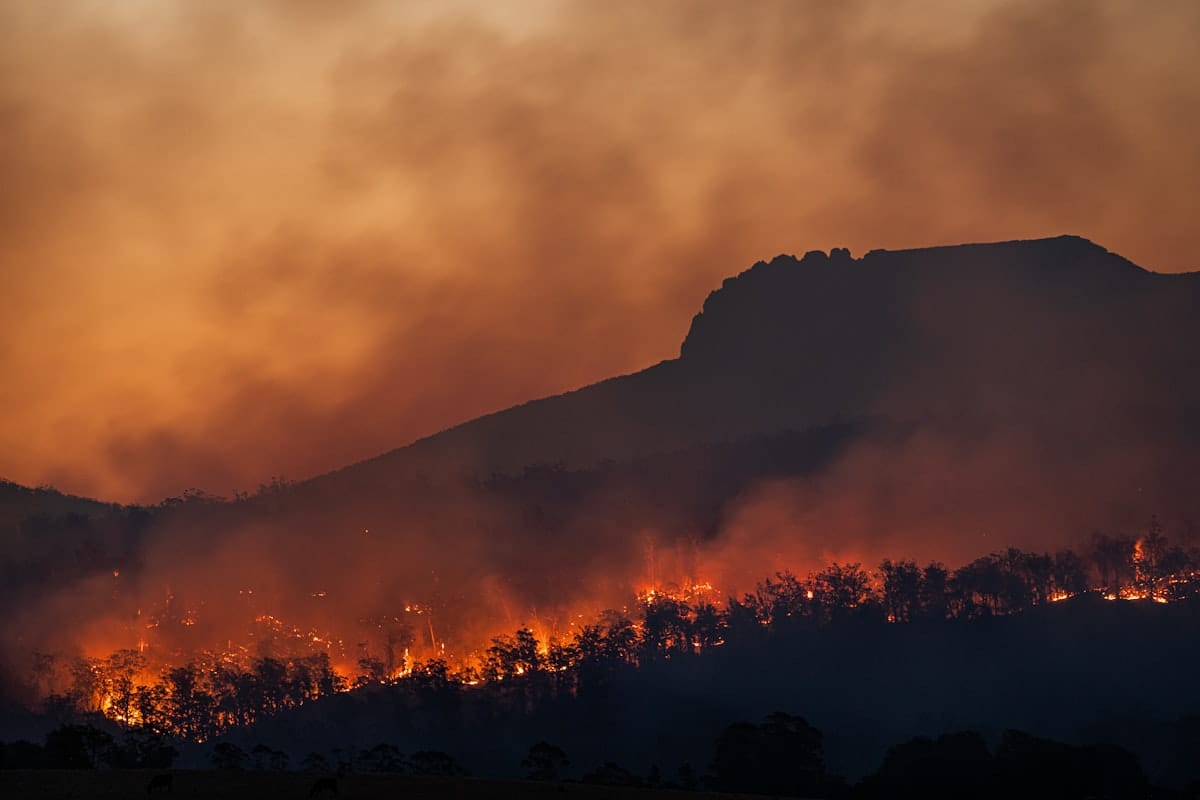
The Secretary of State for Civil Protection has put a 10-year price tag on the gap between what Portugal's fire service has and what the National Authority for Emergency and Civil Protection believes it needs. Rui Rocha told Jornal de Notícias over the weekend that the modernisation bill comes to roughly €550 million, a figure he described as a 'conservative' estimate built from a nationwide audit of the most pressing shortfalls across vehicles, fire stations, aerial ladders and personal protective equipment.
The wishlist sits underneath Portugal's Plano de Transformação, Recuperação e Resiliência (PTRR), the rebuilt successor programme that carries a global envelope of €22.6 billion across nine years. Rocha framed the firefighter spend as a slice of that wider rebuilding effort rather than a standalone budget request, which makes the timing politically less exposed: the money is meant to flow through a programme parliament already approved rather than requiring a fresh appropriation.
What €550 million is supposed to buy
The audit centres on four hardware categories. Vehicles — the fleet of fire trucks, command cars and tactical engines that volunteer corps and the Bombeiros Sapadores run — sits at the top. Quartéis (fire stations) follow, with a parallel programme to remove asbestos still embedded in older buildings. Aerial ladders (autoescadas) cover the urban-rescue gap that left several mid-sized cities depending on neighbouring districts for high-rise interventions. Finally, personal protective equipment closes the list, after years of complaints from union representatives about wear-and-tear and inconsistent standards across the 425 voluntary corps.
Summer 2026 in the meantime
While the decade-long modernisation rolls out, Rocha used the same interview to walk through the immediate summer deployment. The Dispositivo Especial de Combate a Incêndios Rurais (DECIR) has been reinforced with three additional 'expanded attack groups' adding more than 160 operatives, while the Força Especial de Proteção Civil has grown from 216 to nearly 300 elements. The Authority will also field 50 tracked machines, double last year's count, with 18 more arriving from the ICNF. Aerial retardant has been extended from one to five centres, picking up Vila Real, Viseu, Proença and Sernache; two Air Force Black Hawks have been relocated from Ovar to Monte Real to thicken Central Region cover. In total, 81 aerial assets will be on station between 1 July and 30 September. A SIRESP satellite redundancy hub at Taguspark in Oeiras rounds out the infrastructure list. The deployment runs in parallel with this week's Nível Bravo activation and the 66 rural fires already logged in Médio Tejo by mid-May.
What This Means for Expats
- Property exposure: If you own or rent in a rural or peri-urban zone — particularly in the Centro and Norte interior — the modernisation timeline tells you the response capacity is being upgraded but not in time for this summer. Check your fire-zone classification before insurance renewal.
- Insurance premiums: The expansion of DECIR resources and the additional tracked machines could, over time, ease re-insurance pressure on rural property cover. Don't expect a 2026 price effect.
- Volunteer corps reliance: Portugal's 30,000+ firefighters remain overwhelmingly volunteers. The PTRR plan addresses kit, not staffing models, which means local Bombeiros Voluntários associations remain central to your community's response.
- Climate context: The 'conservative' framing of the €550M figure leaves room for upward revision if the 2026 season produces another year of structurally elevated fire activity, as Zero flagged in its 2030 climate trajectory read.
The €550 million figure now sets a public benchmark against which both the Authority and the government can be measured. The first PTRR-funded procurement notices are expected before the end of the summer campaign.