Replanting Forest Can Now Earn Carbon Credits in Portugal, as the Voluntary Market Widens Beyond New Planting With 977 Credits on Sale
The Environment Ministry approved methodologies for reforestation and improved forest management. So far the market has two registered projects, 29 users and ten verifiers.
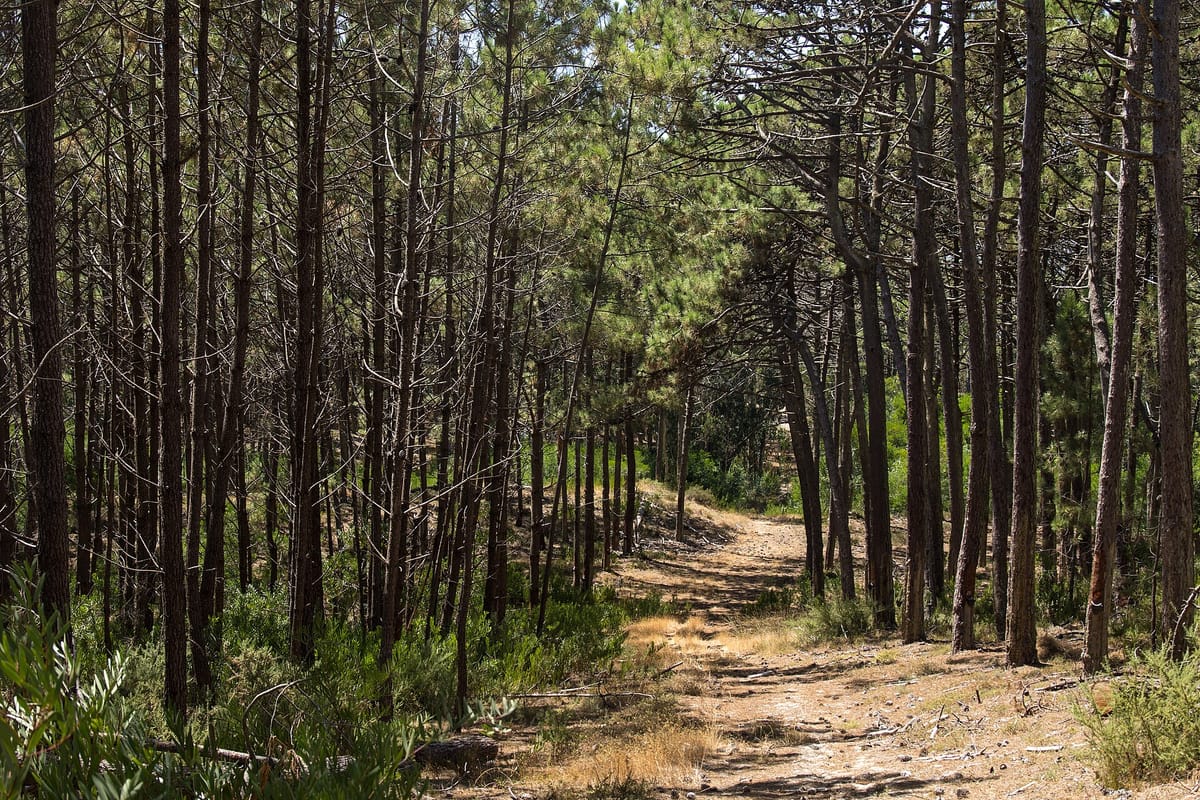
Landowners and companies can now earn carbon credits in Portugal for replanting forest and for managing existing woodland better, after the Ministry of Environment and Energy approved two new methodologies for the national Voluntary Carbon Market. Until now only one kind of project qualified: planting new forest.
The new methodologies cover reforestation and improved forest management. They join the existing "New Afforestation in Portugal" methodology, so the market now has three. The ministry announced the change in a statement to the press, reported by Dinheiro Vivo on Sunday.
How the market works
The Voluntary Carbon Market was created by Decreto-Lei n.º 4/2024. Under the law, a type of project can only generate credits once a methodology for it has been approved and published, which is why the range of eligible projects has been so narrow.
A project developer, typically a forest owner, a company or a council, registers a project under an approved methodology. An independent verifier checks it at the start and at regular intervals. For each tonne of carbon dioxide the project keeps out of the atmosphere, it earns one credit, which can then be sold. Buyers are mostly companies that want to offset emissions they find hard to cut, although the government has said anyone, including individuals and councils, can buy credits simply to support climate action.
Everything is recorded on the national registry platform, which the government launched together with the first methodology. It is there to keep track of who owns each credit and to make sure a credit is cancelled once it has been used, so that the same tonne cannot be claimed twice.
A small market so far
According to the ministry, the market so far has:
- two projects registered under the New Afforestation methodology, and a third awaiting initial validation;
- 977 carbon credits available for sale;
- 29 registered users on the market's portal;
- ten qualified verifiers.
Those numbers are modest. Until now, only planting new forest could earn credits; reforestation and better management of existing woodland open the market to owners of land that is already forested or has been cleared.
The Environment Minister, Maria da Graça Carvalho, said the change creates "conditions for more owners, entities and companies to invest in the forest and in climate action". The ministry says widening the methodologies strengthens the market's credibility and room to grow, and encourages private money for projects that also help the land and make forests more resilient.
Why it matters
For owners of woodland, especially in the fire-prone centre and north, carbon credits could become a new source of income for replanting and maintaining land that often earns little. For buyers, the value of a credit depends on whether the carbon stays locked up, which is a real question in forests exposed to wildfires, and that is what the periodic checks by verifiers are for.
The voluntary market is separate from the EU's compulsory carbon trading systems, including the one that will make fuel suppliers buy permits from 2028. Credits bought in the voluntary market do not count towards those obligations.