Reading the Q1 2026 Big-Five Banking Tape Beyond the €1.279 Billion Headline — BCP +25.6% Carries the Margem Financeira Alone While Santander, BPI and Novobanco Print Compression and CGD Leans on International
The aggregate Q1 2026 print is +4.9% on combined net profit. The story underneath it is one bank carrying the margem financeira while four others print net-interest-income compression masked by international diversification, commissions and volume.
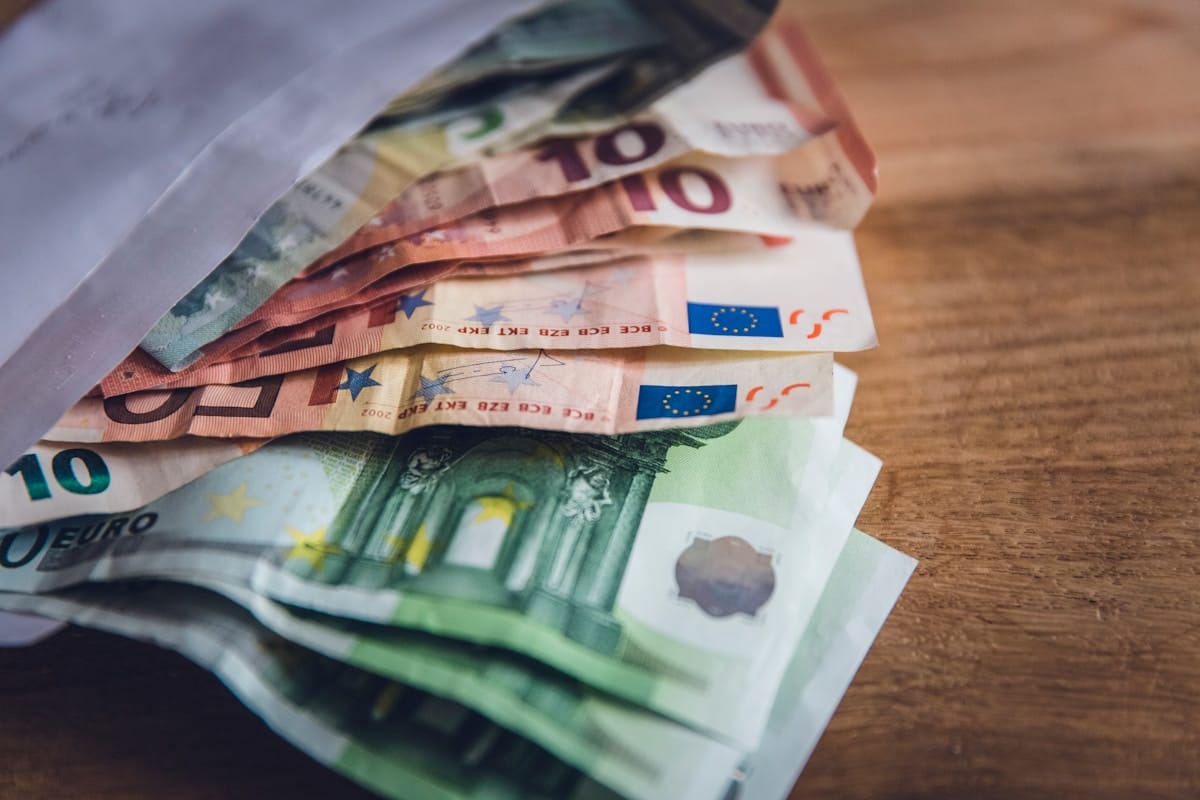
The combined Q1 2026 net profit of Portugal's five major banks landed at €1.279 billion this past week — €305.8 million at BCP, €397 million at CGD, €242.4 million at Santander Totta, €200.7 million at Novobanco, and €133 million at BPI. The morning piece walked the headline aggregate, +4.9% year-on-year, with sector-wide net interest income (margem financeira) slipping €21.6 million. The evening read flips the same tape inside out: the +4.9% aggregate masks a four-out-of-five compression on the rate side, with BCP doing the heavy lifting on the upside and the rest leaning on commissions, international perimeter, and loan-book volume to keep the bottom line moving.
The single bank carrying the margin
BCP is the only one of the five with year-on-year growth in margem financeira. The €738.4 million Q1 2026 print is +2.4% versus the same quarter of 2025; net commissions added another €218 million (+8.2%). The €305.8 million net profit (+25.6%) is the cleanest beat of the cycle, and it sits on a domestic Portuguese loan book where mortgage origination is running materially ahead of the 2025 pace. Miguel Maya's commentary on the call read the Polish and Mozambican perimeters as net-positive in the quarter — the Polish franchise is now earning into a falling-rate cycle that benefits intermediation, and Banco Internacional de Moçambique kept its dividend stream intact through the first quarter.
The four banks printing compression
The other four reads are all on the same axis. Santander Totta is the cleanest example of pure rate-side compression: margem financeira down 3.5% to €341.8 million, net profit down 9.8% to €242.4 million, even as commissions added 6% to €128.9 million and the loan book grew 10.8% to €56.2 billion. BPI followed the same pattern — margem financeira -3% to €216 million, net profit -2% to €133 million, and the Portuguese contribution down 8% to €90 million; the cost-to-income ratio held at 42% only because non-interest income offset the rate drag. Novobanco's €276.2 million margem financeira (-1%) was held up by deposit-side discipline and a +€85.6 million commission line; the +13% net profit lift is largely a corporate-perimeter and trading-line effect, with the BPCE acquisition closing in the same window. CGD's €397 million net profit (+1.1%) is a record Q1 — but the domestic franchise contracted 2.5% on profit and the lift came almost entirely from Cape Verde and Mozambique, where the rate cycle is still net-positive for the Portuguese parent.
The ECB cycle locked at 2%
The compression story has a single macro driver: the European Central Bank's deposit facility rate has been locked at 2.00% since June 2025, with the Governing Council holding through the December 2025 and April 2026 meetings — four consecutive holds. The Banco de Portugal's April 2026 Inquérito aos Bancos sobre o Mercado de Crédito reads the rate-side picture in one line: "ligeira diminuição da rendibilidade global dos bancos pela redução da margem financeira por efeito-preço negativo, ligeiramente atenuada por efeito-volume positivo." Translated: rate compression is structural, volume growth is the offset. The next ECB decision is in June 2026, data-dependent.
What the Q2 picture looks like
Three things move the tape in Q2. First, mortgage origination keeps running hot — CGD's +41% origination print in Q1 is not idiosyncratic, it tracks a market re-rating into the 2.5%-3% mortgage-rate band that the ECB hold has stabilised. Second, the Novobanco-BPCE close shifts the consolidated perimeter; it does not change the rate-side story but it changes the balance sheet on which the rate-side story plays out. Third, BCP's outperformance becomes harder to repeat — the international perimeter is already inside the run rate, and the next leg has to come from Portuguese intermediation. The aggregate +4.9% lift seen in Q1 is unlikely to widen in Q2 unless the ECB cuts in June; if it does not, the four-bank compression line gets longer before it gets shorter.
What this means for expats
- Mortgage borrowers: the rate cycle has stopped helping new origination cheapen as fast as it was. Spreads at the major banks have already absorbed most of the ECB hold; the next move on headline mortgage rates depends on the June ECB decision more than on bank-side pricing competition.
- Deposit holders: term-deposit rates have stopped rising and are starting to drift down. If you are rolling 6- or 12-month CDB lines, the Q2 renewal window will print materially below Q4 2025 and Q1 2026 highs.
- PSI bank shareholders: the +25.6% BCP print is already in the price; CGD's €1.25 billion dividend is the largest in Portuguese banking history. The Q2 read for retail PSI exposure is more about which banks compound the volume offset than which beat the headline.
- Cross-border depositors: Cape Verde and Mozambique earnings are now a meaningful share of CGD's bottom line. If you bank with the Portuguese state lender from a lusophone-Africa base, the parent-side dividend resilience is a function of those perimeters more than of the Lisbon book.
The €1.279 billion headline is the easy read. The four-bank compression line under it is the one that says where Portuguese banking sits in the cycle — past the rate-rise tailwind, not yet into the rate-cut tailwind, and depending on volume, commissions and international perimeters to bridge the gap until the ECB moves again.