Public Prosecutors Stage a Two-Day National Strike Over Understaffing, Slowing Courts Nationwide
Portugal's public prosecutors began a two-day national strike on 9 July, with regional stoppages to follow into mid-July. The SMMP union says this year's magistrate reassignment masks a staffing shortage pushing the Ministério Público toward collapse. Minimum services hold; non-urgent trials may be
Portugal's public prosecutors began a two-day national strike on Wednesday, 9 July, halting non-urgent work across the courts and setting up a run of regional stoppages that will stretch into the following week. The Sindicato dos Magistrados do Ministério Público (Union of Public Prosecutor Magistrates, or SMMP) called the action, which continues through Thursday before regional walkouts hit Lisbon on Friday, the Porto district on 14 July and Évora and Coimbra on 15 July.
The immediate trigger is the annual reassignment of magistrates — the movimento that shuffles prosecutors between courts and postings each summer. The union says this year's version papers over a deeper problem: there are simply not enough prosecutors to fill the posts. "The movement is only an attempt to camouflage the shortage of staff, to the detriment of citizens," said SMMP president Paulo Lona, who has described the Ministério Público (Public Prosecutor's Office) as heading toward collapse.
What prosecutors are asking for
The SMMP wants one of two things before it stands down: either the opening of a special recruitment and training course to bring new prosecutors into the system, or the withdrawal of this year's reassignment decision altogether. Behind both demands sits a familiar complaint — accumulated caseloads, prosecutors covering several courts at once, and specialised units stretched thin.
Minimum services are being maintained, so genuinely urgent matters — detention hearings, time-barred cases, protective orders in domestic-violence files — continue. But much of the rest slows down. Non-urgent trials risk being postponed, and investigations that depend on a prosecutor signing off can stall for the duration.
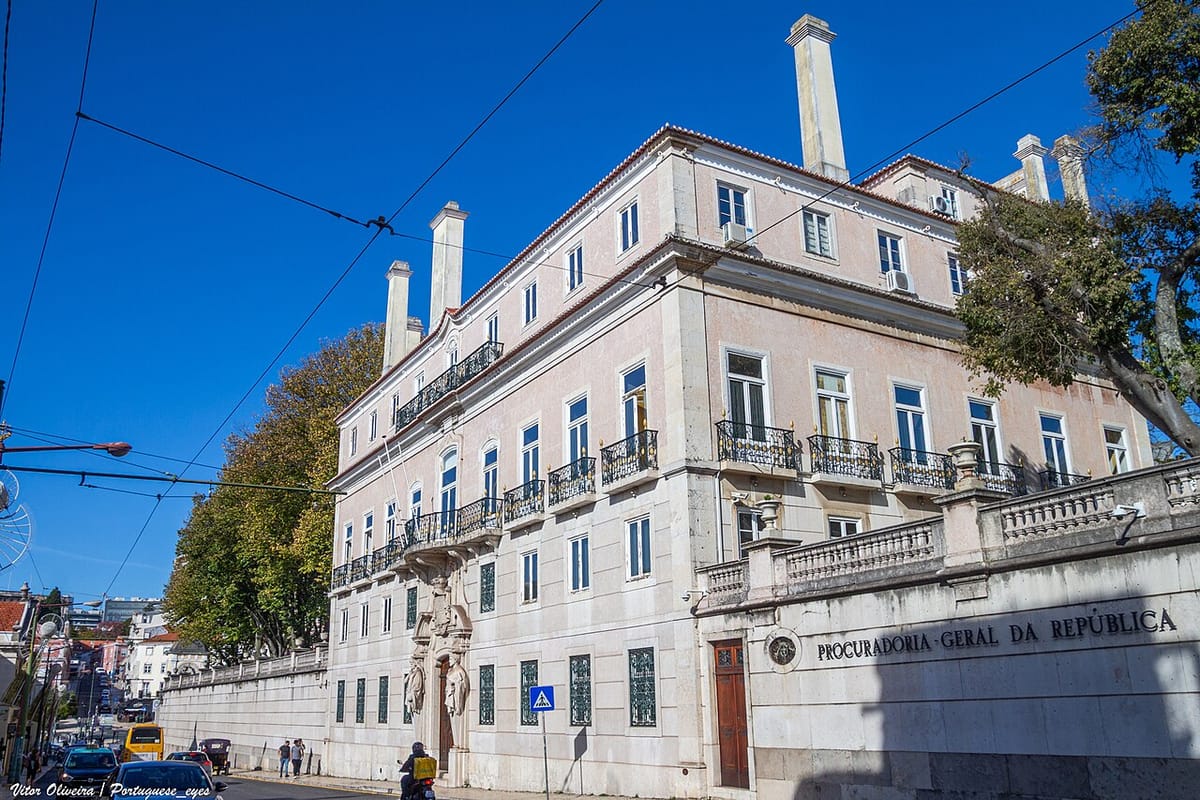
The dispute is not new. Prosecutors held stoppages earlier in the year over the same reassignment rules, and the tension between the union and the Procuradoria-Geral da República has been building for months. The PGR itself has been navigating its own reforms, having recently adopted an ethics charter for magistrates. Prosecutors are also carrying a heavy load of high-profile files, from the tax-related to the political — including the appeal after a Lisbon court ordered the state to compensate former prime minister José Sócrates over a leak in his case.
What this means for residents
For most people the effect is indirect but real. Portugal's courts already move slowly, and a stoppage adds to the queue.
- Court dates may shift: If you have a non-urgent hearing scheduled this week, it may be rescheduled. Check with your lawyer rather than assuming a date holds.
- Criminal complaints: Filing a queixa still works, but the prosecutorial review that follows can take longer while staff are out.
- Urgent protection stands: Domestic-violence orders and detention matters are covered by minimum services and are not suspended.
- Document services differ: Apostille and legalisation work, run by the PGR, sits in a separate track — see our guide to apostille and consular legalisation for how that process works.
Whether the strike moves the government depends on how the reassignment stand-off is resolved. With the union threatening more regional action into mid-July, and reforms to the wider justice system still being drafted, this is unlikely to be the last stoppage of the summer. On the justice-reform side of the file, the plan to speed up the administrative courts explains what would change for prosecutors and the state's slowest courts.