A Lisbon Court Orders the State to Pay José Sócrates €15,000 for Leaking His Case — Prosecutors Will Appeal
The Administrative Court of Lisbon has ordered the State to pay former PM José Sócrates €15,000 over leaks of information under judicial secrecy during Operação Marquês. He had sought €205,000; prosecutors are appealing. The civil case is separate from the long-delayed criminal trial.
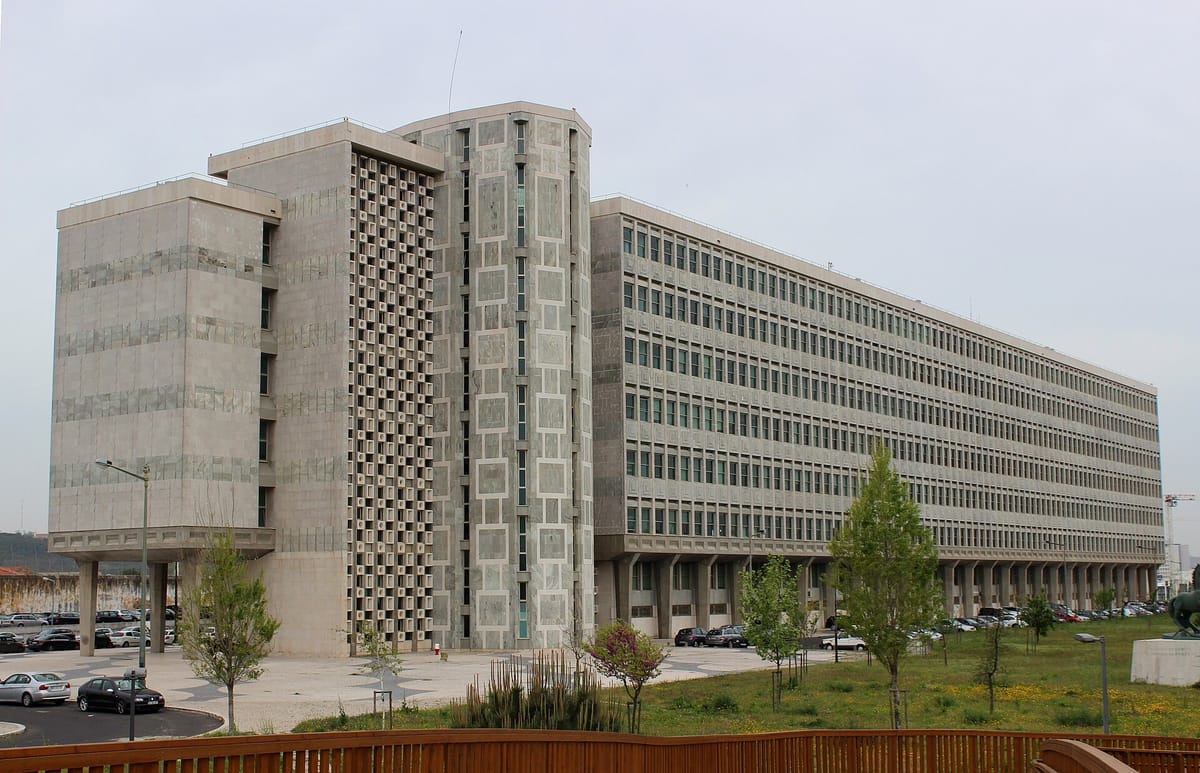
A Lisbon court has ordered the Portuguese State to pay former Prime Minister José Sócrates €15,000 in damages, ruling that state bodies improperly leaked information covered by judicial secrecy during Operação Marquês (Operation Marquis), the sprawling corruption investigation that has shadowed him for more than a decade. The Administrative Court of Lisbon delivered the decision after hearings in mid-May, but it is already headed higher: the Ministério Público (Public Prosecutor's Office) has confirmed it will appeal.
The award is a fraction of what Sócrates sought. In a civil action first filed in February 2017, he had claimed €205,000, arguing that the drip-feed of confidential details to the press caused him serious reputational and personal harm. The court accepted that his rights had been breached but set compensation far lower, framing the €15,000 as recognition of "maladministration of justice" rather than an endorsement of the sums he demanded.
What the leaks were about
At the heart of the case is how much the media knew, and when. Journalists reported that Sócrates would be detained at Lisbon airport in November 2014 before the arrest took place, and details of the accusations circulated at a stage when, in principle, only the investigating judge, the Autoridade Tributária (Tax Authority) and prosecutors had access to the file. The court found that this flow of protected information could only have come from within the state apparatus, and that the leak itself — regardless of the underlying criminal case — inflicted damage the state must answer for.
A case that will not end
Operação Marquês remains one of the most consequential and drawn-out legal sagas in modern Portuguese history. Sócrates, who governed from 2005 to 2011, has always denied wrongdoing, and years of procedural battles have repeatedly delayed the criminal trial itself. The indemnification ruling is a separate, civil track — but it touches the same raw nerve about leaks, presumption of innocence and the machinery of Portuguese justice. That debate has widened recently: the European Court of Human Rights in Strasbourg asked Portugal for clarifications about aspects of the Sócrates prosecution earlier this year.
With prosecutors appealing, the €15,000 is unlikely to be the final word, and a higher court could raise it, cut it or throw it out entirely. The dispute lands amid a run of stories testing the boundaries of Portuguese justice and official transparency, from the state's handling of the press to high-profile prosecutions such as the tax-fraud case against a cruise magnate. For residents trying to understand how disputes are resolved here, it is also a reminder that the administrative courts — distinct from the small-claims Julgados de Paz — are where citizens sue the state.
What this means for residents and expats
- You can sue the state: Portugal's administrative courts exist precisely to hold public bodies accountable, and this ruling shows they will award damages when the state gets it wrong.
- Judicial secrecy is taken seriously — on paper: The case highlights a persistent gap between the legal rule of "segredo de justiça" and the reality of leaks to the media.
- Slow but grinding: A claim filed in 2017 was decided in 2026 and now goes to appeal — a useful gauge of how patient litigation here can require you to be.
- Separate from guilt or innocence: A payout for leaked information says nothing about the underlying corruption case, which continues on its own track.
For now, the number to remember is €15,000 — and the asterisk that prosecutors intend to contest even that. On the mechanics of taking a Portuguese public body to court, our guide to the providência cautelar, the urgent administrative injunction that carries a 48-hour first order, an automatic freeze on executing a suspended act, and a 306 euro court fee sets the latest reference.