Sintra Bars Tour Coaches From Its Historic Centre and Sets Aside Ride-Hail Bays as It Locks In Anti-Congestion Rules
Sintra is moving to make its spring traffic experiment permanent, keeping large tour coaches out of the historic village and creating dedicated bays for ride-hailing cars. Operators have already gone to court, but the town is betting a UNESCO landscape cannot be a postcard and a car park at once.
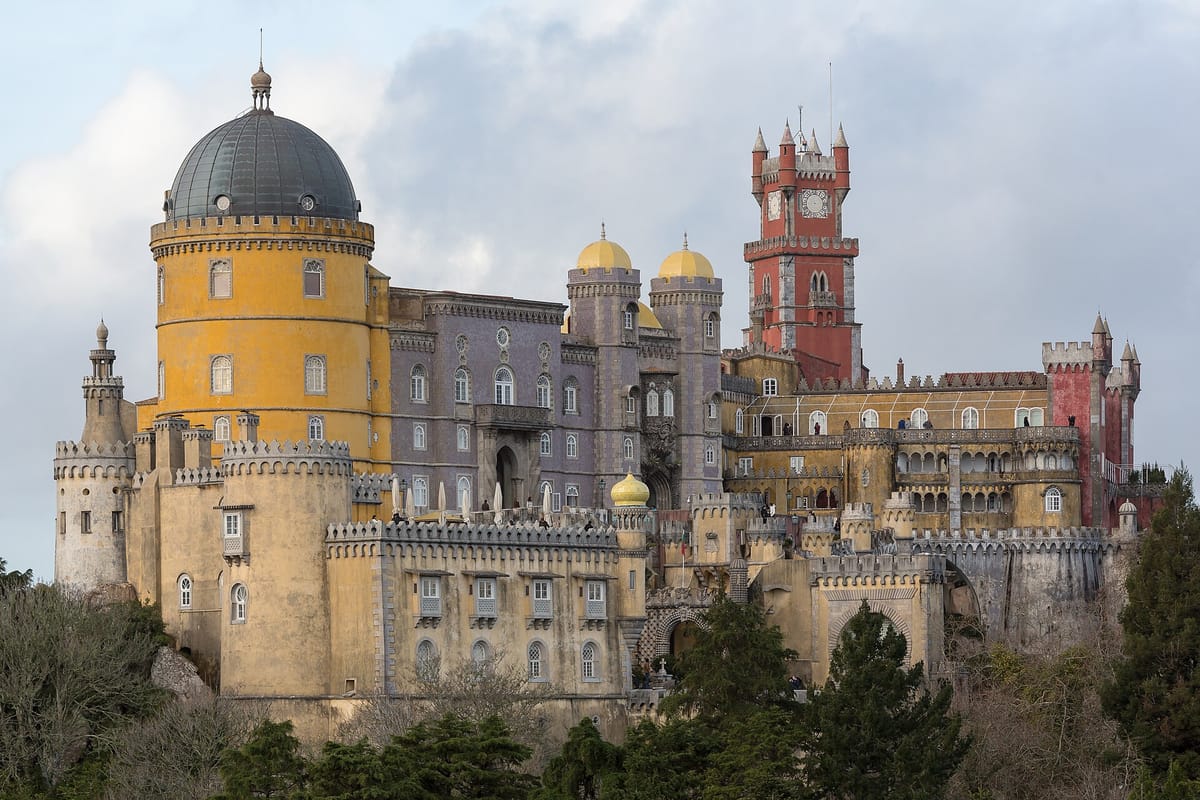
Sintra has spent the spring testing how far it can push tourist traffic out of its historic core. On Tuesday the municipality moved to make that experiment permanent, resolving to keep large tourist coaches out of the village centre altogether and to carve out dedicated pick-up and drop-off bays for ride-hailing vehicles (TVDE — transporte em veículo descaracterizado a partir de plataforma eletrónica). It is the clearest sign yet that one of Portugal's most-visited towns is redesigning itself around the people who live there rather than the buses that pour into it.
How the squeeze was built
The groundwork was laid in March, when the Câmara Municipal de Sintra (Sintra Town Council) launched a self-styled "experimental mobility" operation over the Easter peak. Private cars were pushed to a ring of peripheral car parks — 543 free spaces at Lourel, another 450 at the Portela North lot, hundreds more scattered around the edges — and shuttle route 434 was rerouted to ferry visitors in from the fringes. Tourist coaches were confined to a single corridor between the Arco do Ramalhão and the centre, allowed only to set down and collect passengers before parking on a plot near the São Pedro fire station.
Mayor Marco Almeida framed the goal in almost sentimental terms, describing an ambition to restore Sintra as "an illustrated postcard of our country," fitting for a landscape that UNESCO lists as World Heritage. Behind the imagery sat a practical complaint the council said it kept hearing from residents, workers and even visitors: the medieval street grid, built for carriages, simply cannot absorb coach after coach idling toward the Pena and Moorish castle gates.
The operators push back
Not everyone shares the vision. In May, some 50 tourism operators gathered at the town hall to protest changes to parking rules that stripped out reserved bays for the small nine-seat vehicles used by animation and tour firms, replacing them with €100 monthly arrangements through the municipal parking company. A group went further and filed an providência cautelar (an injunction seeking to suspend the measures) in court, arguing the restrictions threatened businesses that depend on delivering clients close to the palaces.
Tuesday's decision answers that pressure not by retreating but by codifying the regime and adding structure to it. By naming formal TVDE bays, the council is acknowledging how many visitors now arrive by Uber and Bolt rather than by coach, and trying to channel that flow into fixed points instead of a free-for-all on narrow bends.
What it means for visitors
For anyone planning a day trip, the practical takeaway is simple: driving your own car to the palace gates, or expecting a coach to drop you at the doorstep, is increasingly a thing of the past. The intended model is park-and-shuttle — leave the vehicle at Lourel or the Portela interface, ride the 434, or be dropped at a designated bay and walk the last stretch uphill.
Sintra is not alone in this. From Lisbon's tuk-tuk limits to the cruise-ship debates in Porto and the Algarve, Portuguese destinations are wrestling with the same tension between tourism revenue and liveability. Sintra's bet is that a town cannot be a postcard and a car park at the same time — and that visitors, in the end, will thank it for choosing the former. On heritage colliding with a municipal building site, our report on the Braga administrative court admitting an injunction against Viana do Castelo's new municipal market over sixteenth-century convent remains, and the mayor's threat to bill the association for the delay sets the latest reference.