Government Draws Two Red Lines Around the Galp–Moeve Refinery Merger: Keep Sines, Supply Portugal First
Lisbon has set two conditions on the proposed Galp–Moeve merger: keep a working refinery at Sines and give Portugal supply priority in an energy crisis. Moeve, the former Cepsa, is owned by Abu Dhabi's Mubadala and US fund Carlyle. Sines meets about 90% of Portugal's fuel demand, raising sovereignty
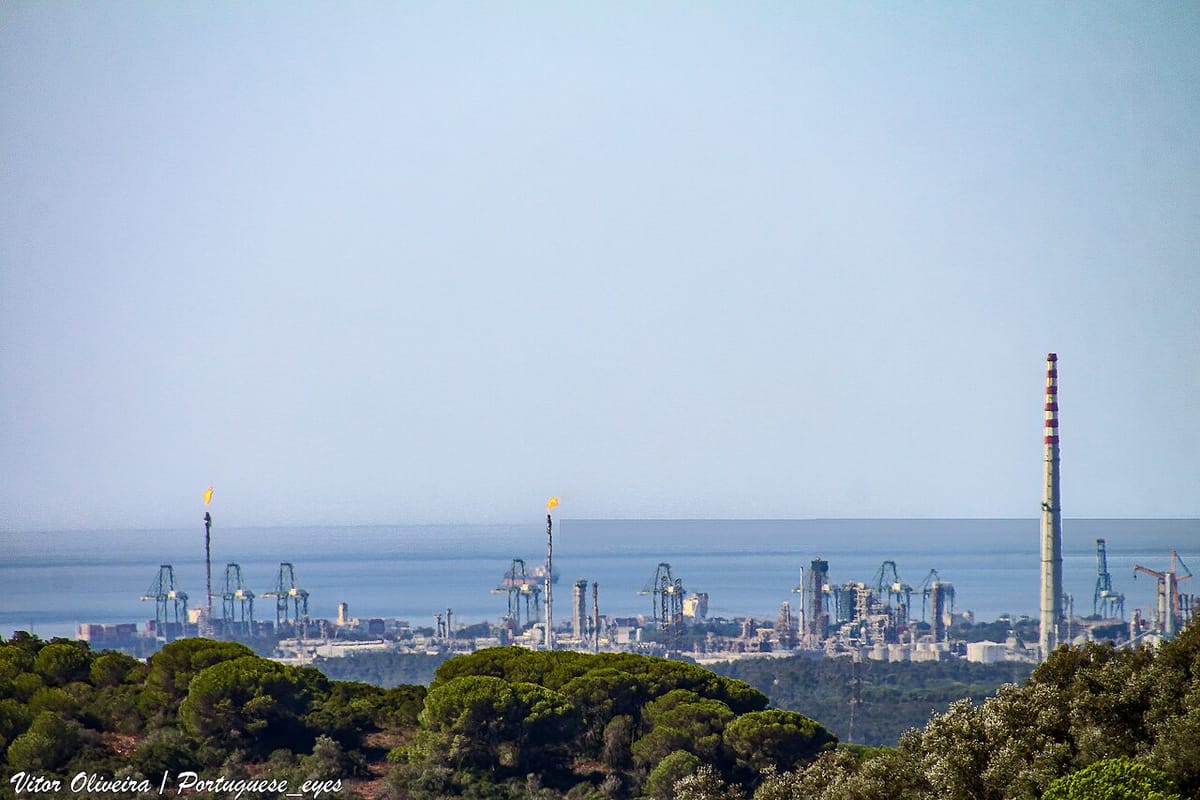
Portugal's government has drawn two red lines around the proposed merger between Galp and Spain's Moeve, insisting that any deal keep a working refinery on Portuguese soil at Sines and guarantee that Portuguese supply comes first in an energy crisis. Environment and Energy Minister Maria da Graça Carvalho set out the conditions as the two energy groups race toward an outline agreement, framing them as guarantees that "deviate somewhat from market rules, but that we want to secure."
The stakes are national. The Sines refinery, on Portugal's southwest coast, supplies close to 90 percent of the country's refined-fuel consumption. Under the merger being sketched out, it would be folded into a new Iberian industrial company alongside Moeve's Spanish plants — and control of that entity would sit with Moeve's owners, not with Lisbon.
Who is on the other side
Moeve is the rebranded Cepsa, the Spanish energy group whose shareholders are the Abu Dhabi sovereign-wealth fund Mubadala and the US private-equity house Carlyle. That non-European ownership, the minister has noted, gives Portugal some leverage to impose terms — the kind of foreign-control screening Brussels increasingly encourages member states to apply to strategic assets.
The plan splits the two companies' assets into two vehicles: a jointly controlled retail and mobility arm covering fuel stations and charging, and an industrial arm holding refining, petrochemicals and low-carbon fuels. Galp would keep a minority stake of just over 20 percent in the industrial company, with Moeve's owners holding the majority — which is precisely what worries the government about the future of Sines.
A tight timeline and political heat
Galp has signalled it wants to sign outline terms by the end of July, but the government has publicly doubted whether that calendar is realistic given how much remains undefined. A legal team coordinated by the Finance Ministry is working through scenarios to lock in the guarantees, and any final deal would still need clearance from competition regulators in Portugal, Spain and the European Union — a process that could run for a year or more.
The opposition is watching closely. The Left Bloc (Bloco de Esquerda) has warned about losing control of Sines, and questions over the government's stance have surfaced in parliament. The merger has been contentious for months, with the energy minister previously calling the tie-up "complex" as Lisbon weighed sovereignty against the commercial logic of a larger Iberian player.
What this means for residents
- Fuel security: The whole point of the conditions is to ensure that petrol, diesel and jet fuel keep flowing to Portugal even if a crisis forces rationing across the peninsula.
- Prices, indirectly: A bigger, more efficient Iberian refiner could reshape wholesale fuel economics, though pump prices are driven more by crude, taxes and margins than by ownership.
- Strategic assets: The deal is an early test of how aggressively Portugal will use foreign-investment screening — relevant to anyone tracking where the country draws the line on outside control.
Sines is more than a refinery; it is also the anchor for Galp's wider industrial ambitions, from green hydrogen to the critical-metals projects taking shape on the same coast. How the government polices this merger will signal how much of that future it intends to keep within reach — a question that also shadows Galp's separate plans for its old Matosinhos refinery site in the north.