PSP National Director Luís Carrilho Enters the Six-Name Europol Shortlist — Mid-June Cut Trims the Field to Three for the Hague Executive Job as Lisbon Backs Portugal's First Bid for the Top Police Office
PSP director nacional Luís Carrilho is on Europol's six-name executive-director shortlist; the Management Board will cut to three in mid-June ahead of the 25-26 June Justice and Home Affairs Council. Minister Luís Neves backed the bid Friday at Lisbon Airport.
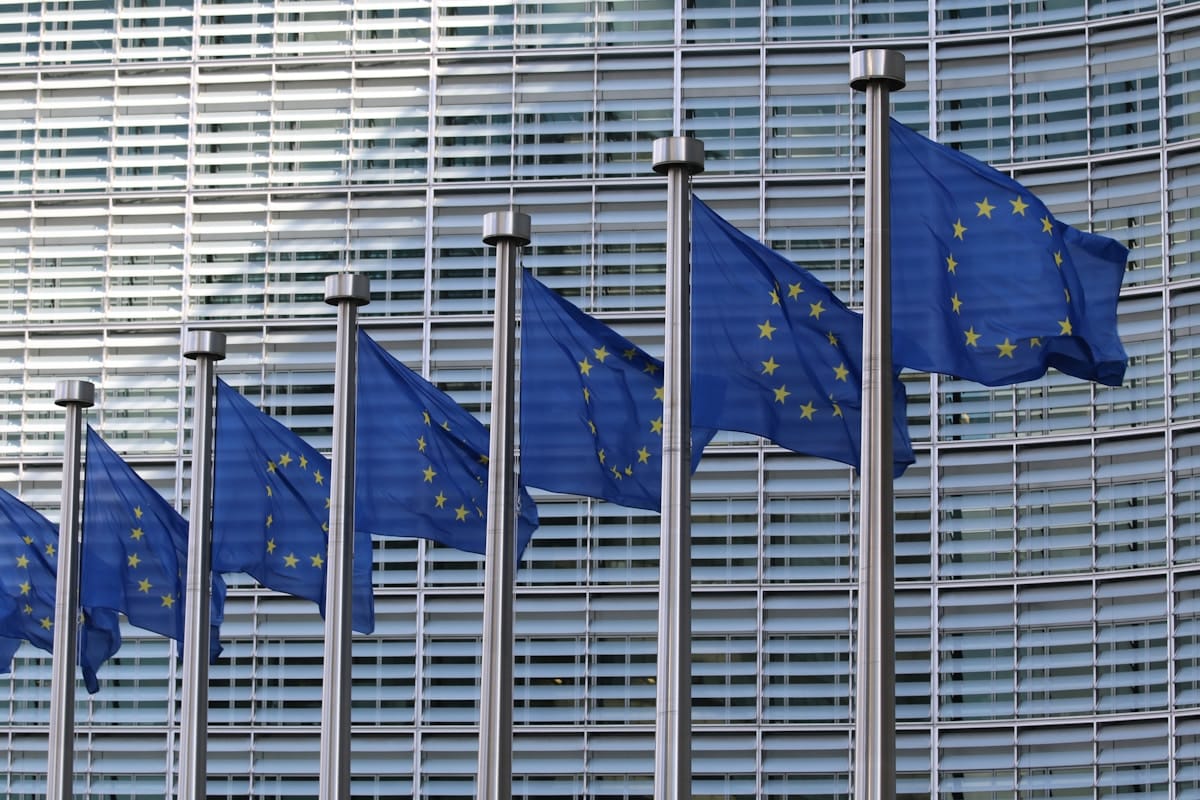
The director nacional of the Polícia de Segurança Pública, Luís Carrilho, is one of six candidates on the shortlist to lead the European Union's police-cooperation agency. PSP spokesman Sérgio Soares confirmed the candidacy to Lusa on Saturday 31 May 2026, hours after the weekly Nascer do Sol broke the story. The Hague-based Europol selection panel will cut the six-name list to a final three in mid-June, with the Council of Ministers of the Interior of the European Union then taking the appointment decision for a four-year, renewable term as executive director.
At Lisbon Airport on Friday 30 May, Minister of Internal Administration Luís Neves told reporters he had been informed of the candidacy in advance and was "proud, as a Portuguese citizen, as a minister, and as a police officer" to see a Portuguese police chief on the shortlist of the EU's largest law-enforcement agency. The PSP itself framed the placement as recognition of "the international experience, capacity and credibility of the PSP and of Portugal."
Who Luís Carrilho Is and Why He Fits the Brief
Carrilho took office as PSP director nacional on 10 May 2024 and is two years into a five-year statutory mandate. He arrived with the most internationally weighted CV of any PSP chief to date: senior police-component leadership on multiple United Nations peacekeeping missions, including in Timor-Leste and the Central African Republic, and previous service inside Portugal's permanent police-cooperation channels with the EU and Interpol. The Europol executive-director role demands exactly that mix — the agency coordinates analytical support, joint operations and intelligence exchange across the 27 member-state police services and a growing list of third-country partners, and the executive director sits as the agency's public face in front of the European Parliament's LIBE committee.
The Shape of the Mid-June Cut
Six-to-three is the standard Europol Management Board procedure. The board — chaired since 2023 by Spain's Estefanía Almenta and composed of one representative per member state plus a Commission delegate — interviews the six longlisted candidates over a compressed cycle, then forwards a shortlist of three to the Council. The Council Justice and Home Affairs configuration takes the appointment decision, with the European Parliament empowered to issue an opinion before the final vote. Portugal has never held the executive directorship at Europol; the incumbent, Belgian Catherine De Bolle, completes a second four-year term in late 2026 after taking office in May 2018.
What the Bid Says About Portugal's EU Security Footprint
The candidacy lands while Lisbon is already pushing on the EU security and defence files: Portugal registered interest in the EU's €150 billion SAFE defence-loan facility in late May alongside nine other capitals, and the joint PSD–PS–Chega shortlist for four Tribunal Constitucional judges hits the Assembleia da República floor on 12 June. A Portuguese executive director at Europol would slot a Lisbon signature onto the EU's internal-security architecture at the same moment the country is leaning into the external-security stack — a coordinated repositioning that few member states attempt in the same political cycle.
What This Means for Expats and Residents
- Cross-border policing capacity. Europol's executive director sets the analytical priorities for the EU-wide threat assessment (SOCTA) — a Portuguese head would likely tilt the Atlantic-facing organised-crime workstreams, including the Lusophone narcotics trail through Brazil and West Africa, further up the agency's planning grid.
- PSP transition risk if Carrilho moves. The PSP statute requires the Government to name an interim director nacional within 60 days of a vacancy; the successor pool inside the SubdIRJ and the metropolitan command structures is short, and any change at the top of the PSP affects the operational tempo of the 360-officer summer reinforcement at Lisbon and Porto airports that activates in July.
- Border and identity coordination. Europol's interface with Frontex and the SIRENE bureaux directly affects the third-country residence pipeline that AIMA administers. An Iberian executive director would carry first-hand knowledge of the AIMA backlog and CPLP-treaty mechanics into the EU coordination room.
- Parliamentary scrutiny. The LIBE committee will examine the final three candidates publicly. The Assembleia da República's Comissão de Assuntos Constitucionais is likely to mirror the LIBE proceedings, giving residents an unusual window into the candidate's policing philosophy on data-retention, encryption-bypass and AI-driven surveillance.
- Soft-power dividend. Even if the bid does not land the executive directorship, a Portuguese national reaching the final three at Europol places Lisbon at the centre of the next executive-board slate and would normally translate into more PSP officers seconded into the agency's analytical and operational units inside the next 24 months.
The Council of Justice and Home Affairs ministers next meets on 25–26 June, the immediate window in which the appointment could be confirmed if the Management Board's three-name slate is delivered on schedule.