Prosecutors Spot a Surge of Fake Websites Selling Firewood and Pellets at Up to 80 Percent Off That Never Deliver
The Ministério Público's cybercrime office says fake heating-fuel shops, advertised on social media and in paid search results, have multiplied this autumn. The warning signs, what to check before paying, and how to report a fake page.
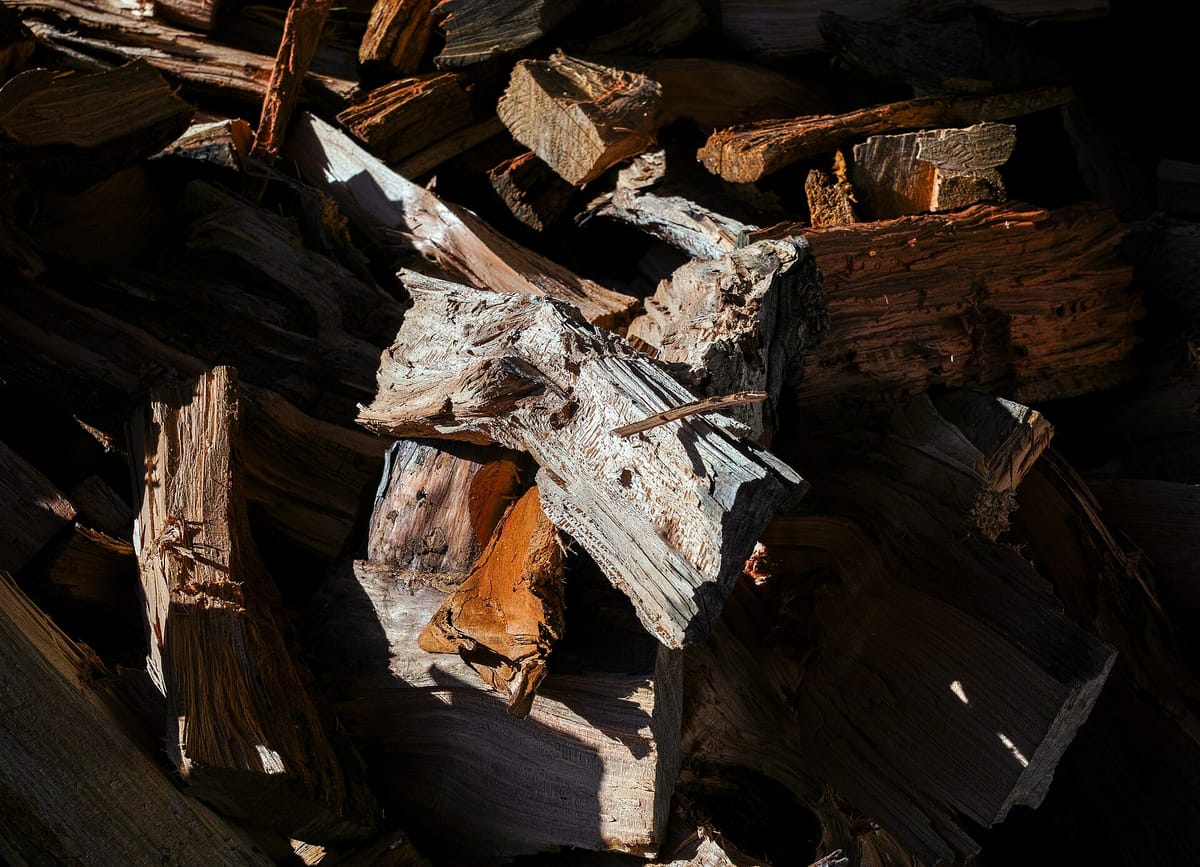
Fake websites selling firewood, pellets and other heating fuel have multiplied since the start of autumn, the Ministério Público (Public Prosecution Service) warned on Thursday 26 November. Buyers pay, and nothing ever arrives.
The alert, from the prosecution service's Gabinete Cibercrime (Cybercrime Office), says "a very considerable number" of these pages have been identified "in recent weeks". All of them advertise on social networks or through paid ads in search engines, so they can appear among the results when someone searches online for firewood or pellets. The office has published a two-page note (in Portuguese) on how they work.
How the fake shops look
According to the note, the pages copy the look of real fuel sellers, with similar layouts and colours, and sometimes show the logos and brands of genuine companies in the sector. The warning signs it lists are:
- Discounts that are too good: large promotions or sales, with prices cut by as much as 70 or 80 percent, and promises of easy ordering and very fast delivery.
- A payee who is not the seller: the name on the bank reference or transfer details does not match the company the site claims to be. It is often a private individual, and in many cases the bank or payment firm, and the person paid, are abroad.
- No real contact details: no company name, address or phone number, and nothing about who runs the business or its history. The newest versions give a false address and phone number that do not exist or belong to someone else. Occasionally a page shows the genuine contact details of the company it is copying.
- A look-alike web address: the domain resembles, but does not match, the real company's name. In every case seen, it was registered very recently, through a company abroad.
Once a buyer has paid, the note says, there is no way to reach anyone behind the page. The sites "have no goods for sale whatsoever" and are "a mere staging" to take payment for orders that will never be delivered.
What prosecutors advise
Before buying from a page with these features, the office recommends that you:
- ask whether the price is realistic;
- check that the address and phone number, where given, are real, for example with an internet search or an online map;
- if in doubt, contact the company directly, using contact details from another source, to confirm that the page is really theirs;
- confirm the payment reference or method with that company before you pay.
A suspected fake page should be reported to the Ministério Público or to the police, the note says.
How to report it
The Cybercrime Office takes reports by email at [email protected] and passes those describing a crime to the prosecutors handling the case, or to the Polícia Judiciária (PJ, the criminal investigation police). Its complaints page says that, under article 246 of the Código de Processo Penal (Code of Criminal Procedure), a criminal complaint should carry the name and signature of the person making it, and that for crimes other than public crimes, only complaints that identify the complainant (or give details that let this be put right) are followed up. Simple fraud is a semi-public crime, the office notes in its yearly report, so it is investigated only if the victim files a complaint, with their name and signature.
A growing caseload
The office's report on the complaints it received in 2025 counts 4,497, up 13.16 percent on 2024's 3,973, and says cybercrime has risen steadily every year since 2016. It counted 764 complaints of fraud by technological means, including fake pages. The office already received "a considerable number" of complaints in 2025 about fake sites copying clothing, footwear and sports brands with the same 70 or 80 percent discounts; the heating-fuel pages follow the same pattern.
Separately, the PJ's northern directorate said on Wednesday 25 November that it had arrested a 29-year-old man in Vila Nova de Gaia on suspicion of aggravated fraud since 2023. The PJ says he posted more than 500 ads for car engines and gearboxes on online platforms and his company's own website, took payment up front and then did not deliver, or delivered faulty parts, making an estimated 70,000 euros.
The warning comes as heating costs weigh on households: two in three people in Portugal told an EIB survey this month that dearer energy has squeezed their budgets. It also lands on Black Friday, a day after EU consumer authorities accepted Temu's commitments to drop fake discounts and pressure selling. The PSP warned this week of a surge in WhatsApp account takeovers, and our earlier piece on fake holiday listings covers where to complain about online sellers in Portugal.