Property Sales Tax Hands Portugal's Councils 2.3 Billion Euros in 2025, With Lisbon Taking 858,000 Euros a Day
Councils collected 2,307.5 million euros in IMT in 2025, up a third, and it now outearns IMI even in small councils. Lisbon took 313.3 million. The municipal finance yearbook also shows suppliers paid in 22 days on average and debt well below 2015 levels.
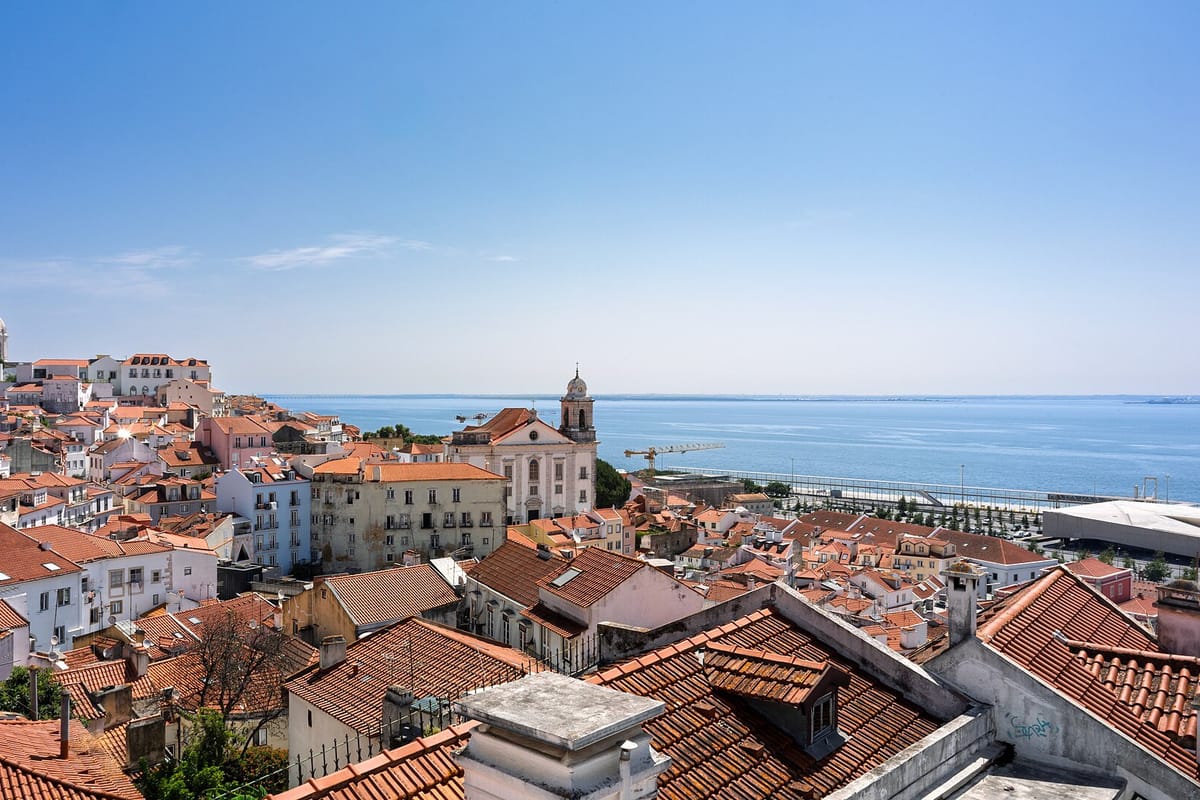
Portugal's 308 councils collected 2,307.5 million euros in IMT (Imposto Municipal sobre as Transmissões Onerosas de Imóveis, the tax a buyer pays when a property changes hands) in 2025, a third more than in 2024. Lisbon alone took 313.3 million euros, or roughly 858,000 euros for every day of the year. The figures come from the Anuário Financeiro dos Municípios Portugueses 2025, the yearly study of council accounts, presented in Porto on Thursday 12 November.
The 450-page yearbook, now in its 22nd edition, is written by the accounting and tax research centre (CICF) of the Universidade Politécnica do Cávado e do Ave, with the support of the Ordem dos Contabilistas Certificados (OCC, the chartered accountants' body) and the Tribunal de Contas (the Court of Auditors), the OCC said.
House sales now outearn home ownership
IMT rose by 579.0 million euros (33.5 percent) in 2025 and made up 48.6 percent of councils' direct tax receipts and 15.4 percent of all their revenue, against 7.8 percent in 2015. IMI (Imposto Municipal sobre Imóveis, the yearly tax on owning property) grew far more slowly, by 5.9 percent to 1,588.7 million euros. IMT outstripped it by 718.8 million euros, and for the first time this happened in small and medium-sized councils as well as the large ones.
- Lisbon took 13.6 percent of all the IMT collected nationally. Its IMT rose 13.7 percent, was 24.8 percent of the council's revenue and exceeded its IMI by 170.2 million euros.
- Cascais came second with 172.8 million euros, 42.8 percent of its revenue.
- Porto was third with 116.9 million euros, up 26.8 percent.
- Loulé was fourth, with IMT making up half of its revenue. Among the 35 biggest collectors, Grândola leaned on it most (50.7 percent of revenue).
- The fastest growth among them was in Palmela (90.5 percent), Vila Franca de Xira (78.7 percent), Oeiras (72.2 percent), Amadora (64.5 percent), Vila Nova de Gaia (55.8 percent) and Gondomar (52.6 percent).
Debt down, bills paid faster
Councils now pay their suppliers in 22 days on average, against 78 days in 2015. Fifty-one paid within five days (Lisbon, Leiria and Maia are the only large councils among them), while 16 still took more than 90 days. Setúbal was the slowest, at 174 days.
Municipal debt has fallen from 91.8 percent of average revenue in 2015 to 37.8 percent in 2024, the latest figure available from the local government directorate (DGAL). The yearbook's coordinator, Maria José Fernandes, said debt fell in 52 percent of councils last year and only seven exceeded their total debt limit. But councils took out 415.3 million euros in new loans in 2025 and repaid 372.0 million, which the authors read as a sign of rising borrowing.
What it means for you
Your council's budget now depends heavily on the housing market. Small councils still live mostly on State transfers, which made up 73.8 percent of their revenue in 2025. At the presentation, DGAL director Andra Nikolic warned of a "difficult cycle" ahead, with EU funds and IMT receipts both expected to fall. A cooling market would hit the large, IMT-dependent councils first. Lisbon, for one, plans to keep IMI at the legal minimum and hand residents back its full share of their income tax in its 2027 draft budget. Our 27 October report traced the same trend from budget-execution data, which give a lower 2025 IMT total of about 2.1 billion euros because they count receipts differently.