PRO.VAR Walks the Restauração Tradicional Crisis File Back at the BdP Governor After His Five-Indicator Defense — Álvaro Santos Pereira's '69% Nominal Growth Since 2019' Reading Collides With the May 10 Publico Estruturalmente Débil Deep Dive
PRO.VAR has rejected BdP Governor Álvaro Santos Pereira's five-indicator no-crisis reading of the restaurant sector, arguing the BdP aggregate masks the collapse of traditional restaurants — a debate sharpened by Publico's May 10 deep dive on the segment's structural fragility.
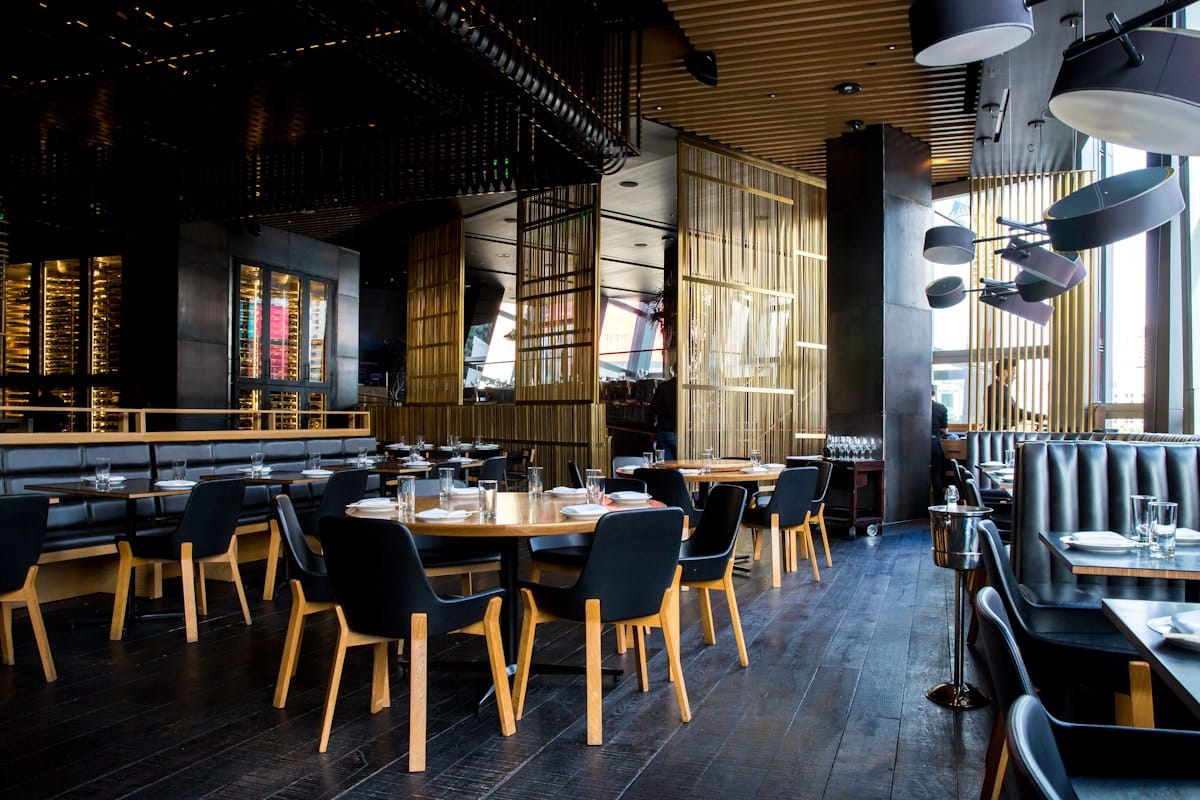
The PRO.VAR — Associação Nacional de Restaurantes has spent the back end of April and the first half of May pushing back hard against the Banco de Portugal Governor Álvaro Santos Pereira's late-April reading that the restaurant sector is not in crisis. The pushback sharpened across the past week with Publico's 10 May 2026 reportagem — 'Há restaurantes a mais em Portugal? Retrato de um negócio estruturalmente débil' — that maps the structural-fragility thesis onto granular case studies, and with continued AHRESP and PRO.VAR data on traditional-segment closures.
The Governor's Five Indicators
Speaking on 20 April 2026, Santos Pereira walked five aggregate readings into the public debate to argue that the restaurant sector is healthier than the trade-association narrative suggests:
Nominal growth: +69% since 2019.
Real growth: +25% since 2019, with a +2.9% lift in 2025.
Company creation: 4,991 new restaurant companies registered in 2025.
Insolvencies: only 1,307 bankruptcies in 2025.
Margins: profit margins broadly stable, close to pre-pandemic levels.
The Governor's framing — delivered in his role as the public face of the BdP's macro reading — was that calls for additional sector support, including the recurring industry push for an IVA cut on restaurant services, are not anchored in the data.
The PRO.VAR Counter
PRO.VAR's response, articulated by president Daniel Serra, contests the Governor's reading on three structural grounds:
Aggregation problem: the BdP's macro print mixes traditional restaurants, organised chains, fast food and supermarket food-service. Growth concentrated in large-format and chain models with diluted unit-cost structures masks margin collapse in the traditional segment.
Cost mix: the post-pandemic period has loaded labour costs (minimum wage at €870 in 2026, the Pacote Laboral compliance overhead), energy (the post-Ukraine and post-Hormuz Brent pass-through), and food inputs (azeite, carne, peixe) onto traditional operators that cannot offset through scale or supplier leverage.
Insolvency lag: the 1,307 insolvency print understates the real distress count because Portuguese SMEs in restauração typically exit through informal closure and licence handback rather than formal PER (Processo Especial de Revitalização) or insolvência filings.
The Publico Deep Dive
The 10 May 2026 Publico reportage — published by the Fugas section — built a portrait of 'um negócio estruturalmente débil' from operator interviews across Lisbon, Porto and the Algarve. The reading converges on three structural points consistent with the PRO.VAR counter:
Density: Portugal carries an unusually high restaurant-per-capita ratio for an EU economy, with concentration sharpest in tourism corridors (Baixa Lisboa, Bairro Alto, Ribeira do Porto, Algarve coastal strip).
Pricing ceiling: traditional segment menu pricing is squeezed between the rising minimum-cost basket (labour + energy + inputs) and a domestic consumer base whose disposable income is constrained by Euribor-driven mortgage costs and rental-market pressure.
Tourism dependency: the segments that are growing rely heavily on tourist demand, with limited cross-subsidy back to the operators that cater to local Portuguese consumers.
Where the Pacote Fiscal Sits
The political backdrop is the Pacote Fiscal Habitação promulgated by President Seguro on Monday evening 12 May, which Finance Minister Sarmento reopened today on the IRS Jovem hearing margins by labelling the 2016 restaurant IVA cut a 'erro grosseiro' — gross error. Sarmento's framing closes one door for PRO.VAR — there is no political appetite at Finanças for a fresh IVA reduction — while the Pacote Fiscal Habitação loads rental costs into operators' single largest non-labour fixed cost.
What This Means for Expats
Pricing trajectory: the structural reading suggests that traditional Portuguese restaurants will continue to raise menu prices in 2026 at a rate above headline inflation (3.3% in April per INE), with the closure tape concentrated in independent tasca-format operators rather than chain-format dining.
Closure pattern to watch: the trade body's PER-undercount thesis means the next twelve months may show a step-change in informal closures of established Lisbon and Porto family restaurants — typically without warning, often via Facebook posts of 'fechado para sempre'.
IVA file is closed: Sarmento's call labelling the 2016 IVA cut a 'gross error' takes the IVA-reduction lobby off the table for the foreseeable horizon, leaving sector relief routed through Pacote Laboral flexibility, energy-tariff support and EU-channel formation programmes rather than tax cuts.
Tourism corridor versus neighbourhood: the central bank's aggregate optimism is rooted in tourism-corridor segments that look fine on the macro tape but mask the displacement of the everyday neighbourhood restaurant — the practical effect for residents is a Lisbon and Porto where the bairro tasca is harder to find each year.