Private Hospitals Study Ending Their ADSE Cancer Agreements as New Drug Prices Near 1 October
ADSE will pay private hospitals less for some cancer drugs from 1 October. Their association says lawyers are studying an exit; ADSE says patients' access is not at risk.
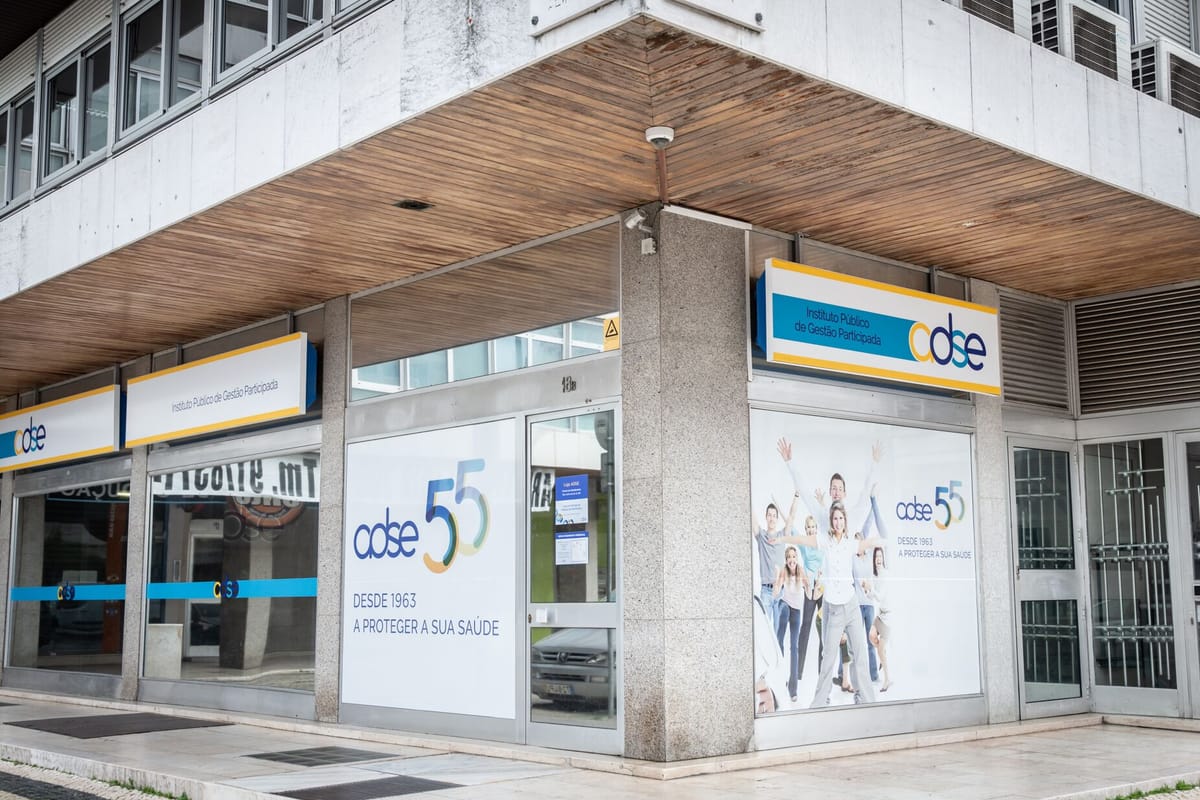
Private hospitals in Portugal are studying whether to end their cancer-care agreements with ADSE, the health scheme for civil servants, less than a week before the scheme starts paying them less for a number of cancer medicines. The Associação Portuguesa de Hospitalização Privada (Portuguese Private Hospitals Association, APHP) told the weekly Expresso that "several law firms are analysing the terms for terminating the agreements with ADSE in oncology", as reported by Observador on Friday.
ADSE says the change is routine, that prices have gone up as well as down, and that its members' access to treatment is not at risk. It also says no hospital has told it that it plans to walk away.
What changes on 1 October
ADSE, formally the Instituto de Proteção e Assistência na Doença (Institute for Protection and Assistance in Illness), sets a table of the maximum amounts it pays private providers in its contracted network (the regime convencionado) for medicines given during treatment. A new version of that table takes effect on 1 October 2026. ADSE sent it to providers in August.
In a statement published on its website on 21 September, ADSE said the update "does not correspond to an arbitrary reduction" of support for its members. It said the drug table and a separate table for medical devices used in surgery are normally updated twice a year, to follow what is on the market and what it costs.
For cancer medicines, ADSE explained, the payment to a private hospital starts from the Preço de Venda Hospitalar (hospital sale price), the reference price paid by Portugal's public hospitals, which the medicines regulator INFARMED supplies. A trading margin set in law is then added on top. ADSE said every price change in the new table follows a change in that INFARMED price, and that the margins have not changed. "The prices that went down in the table went down because the cost of those medicines, paid by the hospitals, went down," it said, adding that some prices in the table rose and others stayed the same.
Keeping prices in the table that no longer match what hospitals pay for the drugs, the scheme argued, would leave a gap between what ADSE pays and what providers actually spend, and it has a duty to use public money responsibly.
What the private hospitals say
The APHP, as quoted by Observador, accuses ADSE of confronting providers with "a significant change in the conditions of funding without any period of consultation or joint preparation" that would have allowed the impact to be assessed properly.
It warns that access could suffer: "These are central drugs in treatment, given continuously over weeks, months or even years, and a unilateral and unjustified reduction of the amounts can put access at risk." No deadline has been made public for the lawyers' review.
According to Observador, private hospitals treated 50,000 cancer patients in 2025, of whom about 7,500 are estimated to have been ADSE members.
ADSE points to fast-growing bills
ADSE's board told Expresso, in figures reported by Observador, that 953,185 treatments were carried out in the first half of 2026 alone, with more than 52 million euros invoiced. It spoke of a "marked growth in every item" and said the amount invoiced is growing at roughly twice the rate of the number of members in treatment.
Asked about a possible end to the agreements, ADSE said it had so far received no information to that effect from the providers that offer cancer care.
Xavier Barreto, president of the Associação Portuguesa de Administradores Hospitalares (Portuguese Association of Hospital Administrators), warned that the Serviço Nacional de Saúde (National Health Service, SNS) would have to take in any patients the private hospitals turned away. "Patients cannot be a bargaining chip," he said. "Whoever is on a line of therapy should finish it where they started it. In immunotherapy, discontinuity is a clinical risk."
What it means if you are an ADSE member
- Nothing changes today. The new table only sets what ADSE pays the hospital. ADSE says the update does not put its members' access to care in question.
- No agreement has ended. The private hospitals are studying termination; none has been announced, and ADSE says it has not been notified.
- If you are in treatment at a private hospital, ask the hospital directly whether your course of treatment continues under the contracted network, and keep your treatment plan and prescriptions to hand.
- The free-choice regime still exists. Outside the contracted network, ADSE members can pay a provider and claim a partial refund. Our guide to ADSE explains how the two regimes work.
The dispute comes as cancer medicines weigh ever more heavily on health budgets: in July we reported that cancer-drug bills had tripled in a decade.
Sources: ADSE, I.P., statement "ADSE atualiza tabela de medicamentos sem impacto para os beneficiários", 21 September 2026 (adse.pt); Observador, 25 September 2026, reporting statements by the APHP and ADSE to Expresso.