Portuguese Scientist Makes History on Nobel Prize Committee
Gonçalo Castelo-Branco, a dual Portuguese-Swedish scientist and professor at Stockholm's Karolinska Institutet, has been appointed to the Nobel Committee for Physiology or Medicine — believed to be the first Portuguese national to serve in this...
Gonçalo Castelo-Branco, a dual Portuguese-Swedish scientist and professor at Stockholm's Karolinska Institutet, has been appointed to the Nobel Committee for Physiology or Medicine — believed to be the first Portuguese national to serve in this role. His tenure runs from March through October 2026, covering the critical evaluation period before the prize announcement in early October.
It is a quiet milestone with outsized significance. The Nobel Committee for Medicine operates as the first filter in the prize selection process, sifting through 200 to 300 nominations each year and distilling them into a shortlist that is forwarded to the Nobel Assembly — a body of 50 Karolinska professors who make the final vote on the first Monday of October.
From Cantanhede to Stockholm
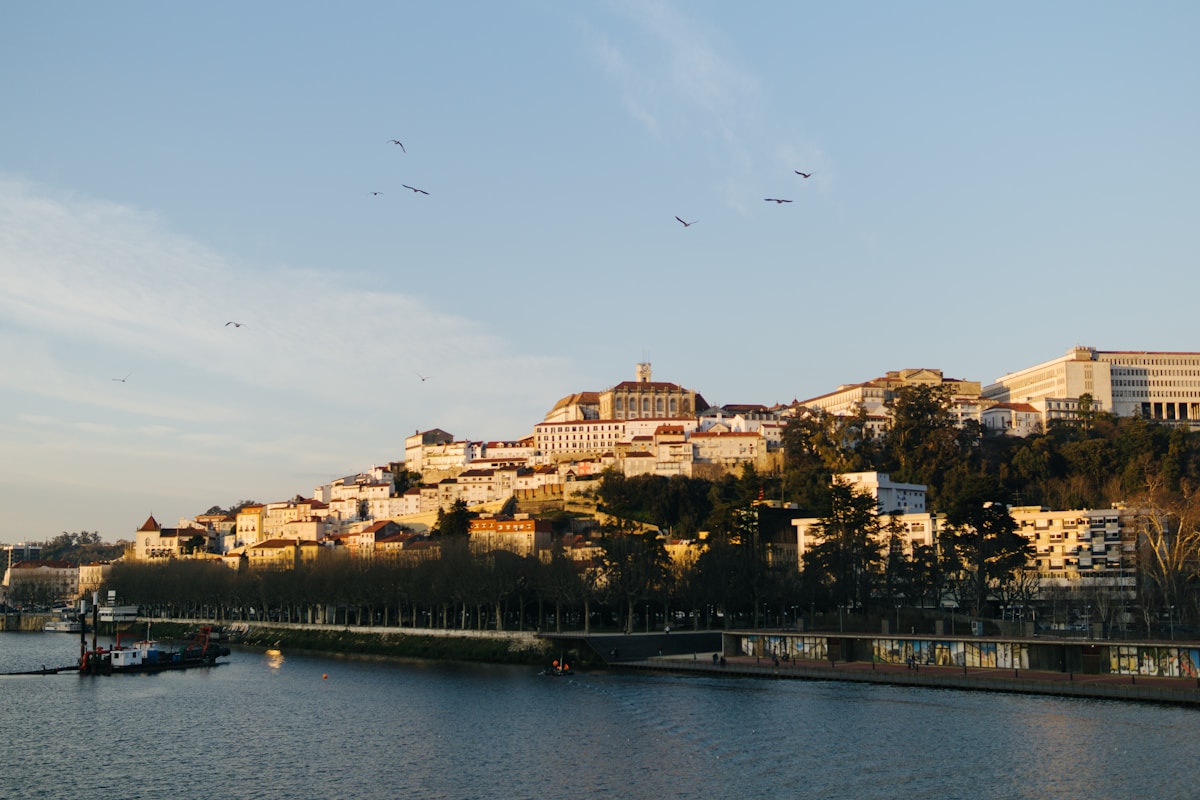
Castelo-Branco's path traces a route familiar to many Portuguese researchers: strong foundations at home, then opportunity abroad. Born in Cantanhede in 1976, he earned his biochemistry degree from the Universidade de Coimbra in 1999 before moving to Sweden for doctoral studies at the Karolinska Institutet. After postdoctoral work at both Karolinska and Cambridge's Gurdon Institute, he established his own research group in 2012, where he now holds the title of Professor of Glial Cell Biology.
His research focuses on oligodendroglia — specialized brain cells that produce the myelin sheath insulating nerve fibers. When these cells malfunction, diseases like multiple sclerosis result. Castelo-Branco's lab uses single-cell genomics and CRISPR-based screens to map how these cells change in disease states and explore how they might be coaxed into repairing damaged myelin. It is painstaking, high-stakes science with direct implications for millions of MS patients worldwide.
What It Means for Portuguese Science
No previous Portuguese national is known to have served on the Nobel Medicine Committee, despite Portugal producing one Nobel laureate in the field — Egas Moniz, awarded in 1949 for the development of prefrontal leucotomy. The appointment signals growing international recognition of Portuguese-trained scientists working in elite research institutions abroad, and it could boost funding and collaboration opportunities for universities in Portugal.
For the country's research community, the symbolism matters. Portugal spends roughly 1.7 percent of GDP on research and development — below the EU average — and many of its most talented scientists build their careers in better-funded institutions across Northern Europe and North America. Castelo-Branco's appointment is a reminder both of what Portuguese science produces and of the structural challenges that send that talent elsewhere.
The appointment also carries a practical dimension. Committee members influence the direction of global medical recognition. Castelo-Branco's expertise in neuroscience and regenerative medicine could shape future prize priorities, potentially directing attention and resources toward research areas where Portuguese institutions have growing capacity. For a small country competing for visibility in global science, having a voice at the table where the world's most prestigious scientific prizes are debated is no small thing.