Portugal's 'Trabalho XXI' Labour Reform Died in Parliament. Here's What Fell With It — and Why AI Is the Next Battleground
On 19 June, Parliament rejected the government's Trabalho XXI package after Chega joined the left to vote it down. The individual hours bank, longer fixed-term contracts and easier dismissals all fell. Experts say the next attempt must finally tackle AI and algorithmic management at work.
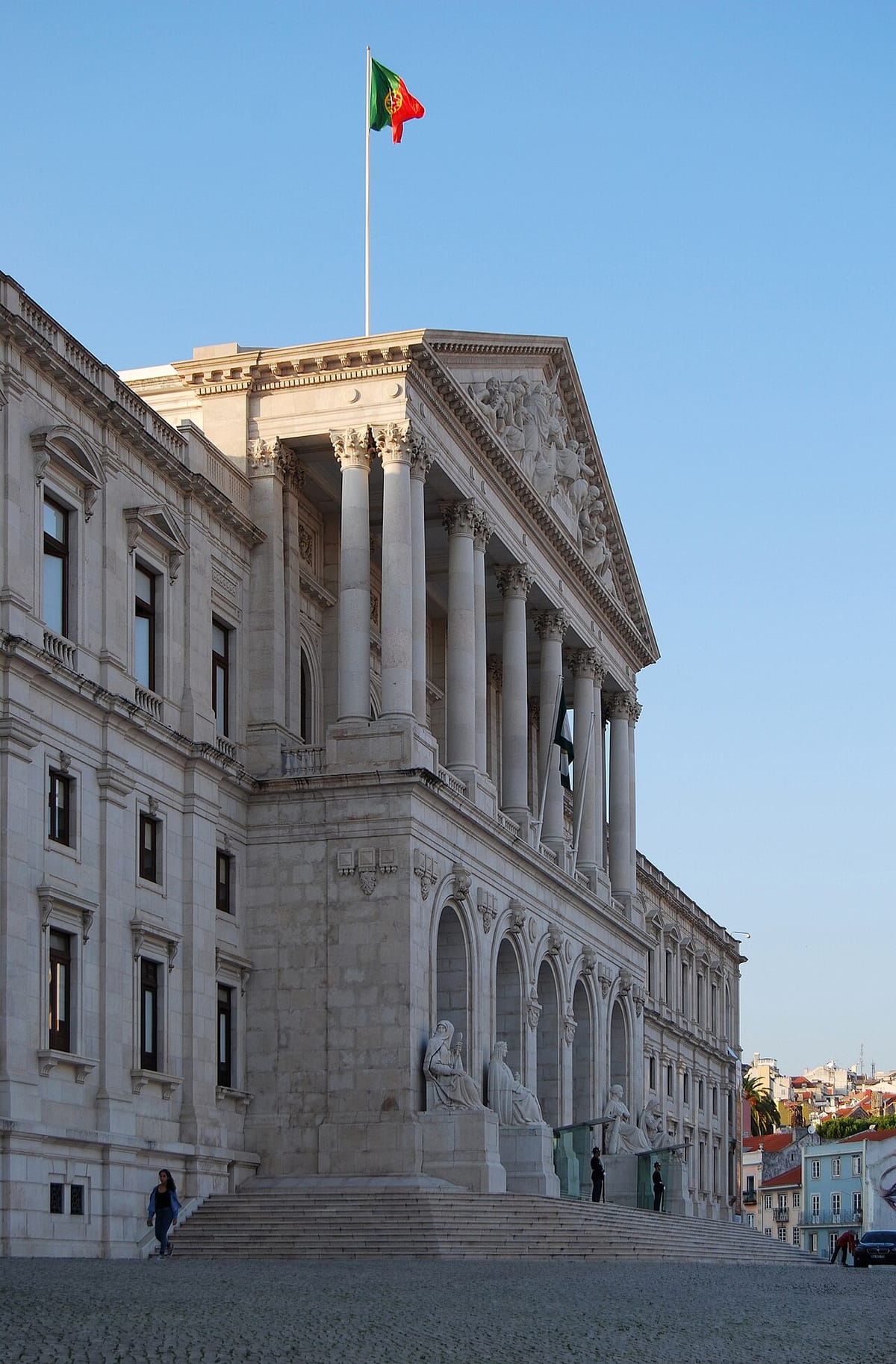
Portugal ended the parliamentary term without the biggest rewrite of its labour law in more than a decade. On 19 June, the Assembleia da República (Assembly of the Republic) rejected the government's Trabalho XXI package — a bundle of more than 100 changes to the Código do Trabalho (Labour Code) — after Chega unexpectedly joined the left to vote it down. Nine months of talks with unions and employers had already ended in May without agreement in the concertação social (social dialogue council); the vote buried what was left.
For anyone who works in Portugal or employs people here, it is worth being clear about what actually fell, because business groups had begun preparing for changes that will now not arrive.
What the package would have changed
- Individual hours bank. The reform would have revived the banco de horas individual (individual hours bank), scrapped in 2019, letting an employer and a single worker agree up to two extra hours a day, 50 hours a week and 150 a year — without a collective deal. It stays dead; only the collective and group versions in force since 2020 remain.
- Fixed-term contracts. The maximum term was to rise from two to three years, and open-ended fixed-term contracts from four to five. Neither passed.
- Dismissals. All firms, not just larger ones, would have been able to ask a judge to waive reinstating an unfairly dismissed worker in favour of compensation. That door stays shut.
- Outsourcing. The ban on outsourcing work for a year after a collective redundancy would have been lifted.
Prime Minister Luís Montenegro said the deal ultimately foundered on a Chega demand to lower the retirement age for shift workers — a change he argued would threaten pension-system sustainability. Employer confederations called the collapse a defeat driven by "ideological radicalisation"; unions called the whole package an attack on rights. Both, tellingly, disliked the result.
The next fight: algorithms and AI
With the text dead, labour-law specialists are already arguing that any future attempt has to start somewhere the 2025 draft barely touched: artificial intelligence and algorithmic management. Food-delivery riders, warehouse staff and a growing share of office workers are now hired, scheduled, scored and sometimes dismissed by software — decisions that Portugal's Labour Code, written for a pre-platform economy, does not squarely regulate. Expect the right to an explanation of automated decisions, limits on productivity surveillance, and rules on AI in hiring to move to the centre of the debate when it reopens.
What this means for expats
- Status quo holds. If you are employed here, your contract terms, overtime rules and dismissal protections are unchanged for now — the stricter pre-reform framework still applies.
- Employers wait. Small businesses hoping for the individual hours bank or easier fixed-term hiring will not get them this year. Our guide to hiring your first employee reflects the rules that remain in force.
- Payroll keeps modernising anyway. Separate from the reform, the state is automating employer social-security contributions, and the courts keep shaping pay rules — as in the recent Supreme Court meal-allowance ruling.
- Watch the autumn. A government this determined rarely abandons a flagship reform. A revised, likely narrower text — with AI provisions bolted on — could return once the parliamentary term resumes.
For a governing coalition that made labour flexibility a signature promise, June was a stinging setback. But the underlying pressures — an ageing workforce, a tight labour market and the quiet spread of algorithms into daily management — have not gone away. The reform is dead; the questions it tried to answer are not.