Brussels Sees Europe's Olive-Oil Output Slipping in 2026 — a Caution Flag for Portugal's Booming Groves
The European Commission expects EU olive-oil output to fall in 2026 even in a broadly favourable farm year. For Portugal — the world's fourth-largest exporter, powered by irrigated Alentejo groves — the projection sharpens a deferred question about water and climate.
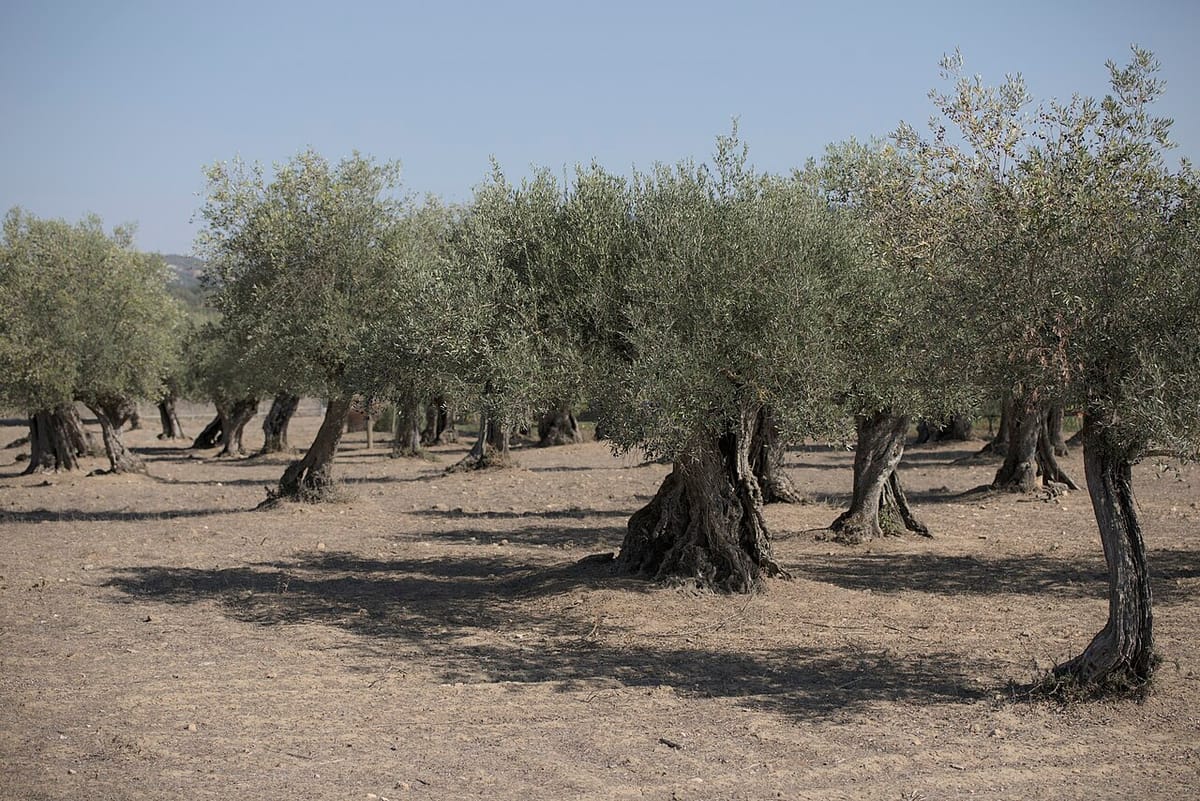
The European Commission's latest short-term farm outlook, published this week, carries a quiet warning buried among broadly optimistic numbers: even in a year of favourable overall prospects for EU agriculture, olive-oil output is expected to fall in 2026. For Portugal — now one of the fastest-rising producers in the world — that projection lands on a sector that has spent two decades growing at a breakneck pace, and it sharpens a question the industry has so far been able to defer: how much of that growth is hostage to water?
A boom built on Alqueva
Portugal produced roughly 180,000 tonnes of olive oil in 2024, its second-largest crop on record, after a peak of about 206,000 tonnes. Output has quintupled over the past 26 years, transforming the country from a modest player into the world's sixth-largest producer and fourth-largest exporter — a trade worth hundreds of millions of euros a year. The engine of that surge is the Alentejo, which has supplied the great majority of the national olive harvest since the mid-2000s, powered by irrigation from the vast Barragem do Alqueva (Alqueva Dam) reservoir. Industry voices still talk of reaching 300,000 tonnes within a few years.
The Commission's outlook complicates that trajectory. Brussels expects olive oil, alongside ruminant meat, sugar and cereals, to decline across the EU in 2026, even as oilseeds, dairy, pork and poultry expand. It flags the familiar culprits: heat and drought weighing on spring and summer crops, water scarcity in the most exposed regions, and fertiliser availability that has fallen back toward the strained levels of 2022. Food prices, the Commission adds, are likely to rise as input costs climb.
The water question Portugal keeps deferring
Portugal's olive expansion has been overwhelmingly of the intensive and super-intensive kind — dense, irrigated groves that deliver high yields but depend on reliable water. That model has been spectacularly productive in a wet-enough decade. It is also precisely the model most exposed to the hotter, drier summers that Portuguese forecasters now treat as the baseline rather than the exception. A single poor rainfall year does not undo a structural boom, but a run of them would test how much of the Alentejo's output is genuinely resilient and how much is borrowed against Alqueva's storage.
What to watch
- Prices at the shelf. A softer EU harvest tends to firm up olive-oil prices; Portuguese consumers, who buy some of the most olive-oil-intensive diets in Europe, feel that quickly.
- Exports versus the home market. As a top-four exporter, Portugal sends most of its oil abroad. A tighter European crop is good for producer margins but can squeeze what stays in domestic supermarkets.
- The irrigation debate. Any sustained dip will reopen the argument over how much new intensive planting the Alentejo's water can actually sustain — a tension between agricultural revenue and drought resilience.
The bigger frame is a Portuguese countryside being reshaped by a warming climate — sometimes to farmers' advantage, often not. See our reporting on how a warming Portugal is turning tropical as traditional orchards struggle, and the Allianz study warning that extreme heat could cost the economy dearly by 2030.