Portugal's Tourism Surge Continues as International Arrivals Rise 10 Percent
International arrivals to Portugal rose by more than 10 percent in the first months of 2026 compared to the same period last year, according to data from the National Statistics Institute (INE), confirming the country's position as one of Europe's fastest-growing tourist destinations. Lisbon,...
International arrivals to Portugal rose by more than 10 percent in the first months of 2026 compared to the same period last year, according to data from the National Statistics Institute (INE), confirming the country's position as one of Europe's fastest-growing tourist destinations.
Lisbon, Porto, and the Algarve are leading the charge, with the capital benefiting from a 15 percent increase in international flight connections, including expanded direct routes from New York, London, and Berlin. Total tourism receipts are estimated to have reached 29.4 billion euros in the most recent annual figures, driven more by higher per-visitor spending than by sheer volume.
The numbers tell a story of a maturing tourism economy. Portugal is no longer simply attracting more visitors; it is attracting visitors who spend more. The shift reflects deliberate strategy by Turismo de Portugal to market the country as a premium destination rather than a budget alternative to Spain or France.
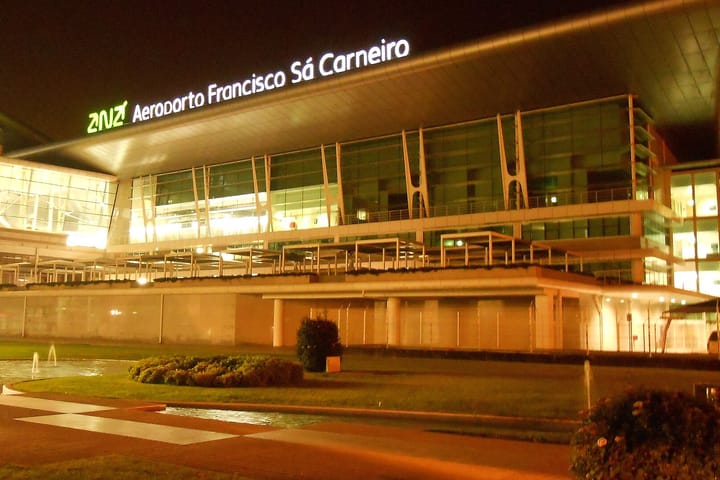
Porto has emerged as a particular success story beyond its traditional appeal of port wine cellars and the UNESCO-listed Ribeira district. The city's growing technology and startup ecosystem has made it a magnet for digital nomads and remote workers, a demographic that tends to stay longer and spend more than conventional tourists. Recognition as one of Europe's emerging digital nomad hubs has reinforced this trend.
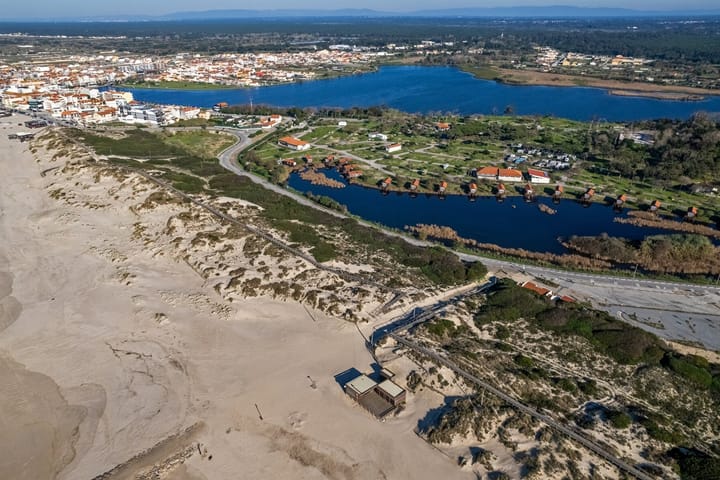
The Algarve, meanwhile, is diversifying beyond its beach-holiday identity. Adventure tourism, gastronomy, and wellness retreats are drawing visitors year-round, reducing the region's dependence on the summer peak season. Hiking in the Monchique mountains and Michelin-starred dining experiences are increasingly central to the Algarve's pitch.
Infrastructure investment is smoothing the visitor experience. New high-speed rail connections between Lisbon, Porto, and the Algarve have made multi-city itineraries more practical, while expanded terminals at both major airports have increased passenger capacity. These improvements address longstanding complaints about bottlenecks at Lisbon's Humberto Delgado Airport during peak periods.
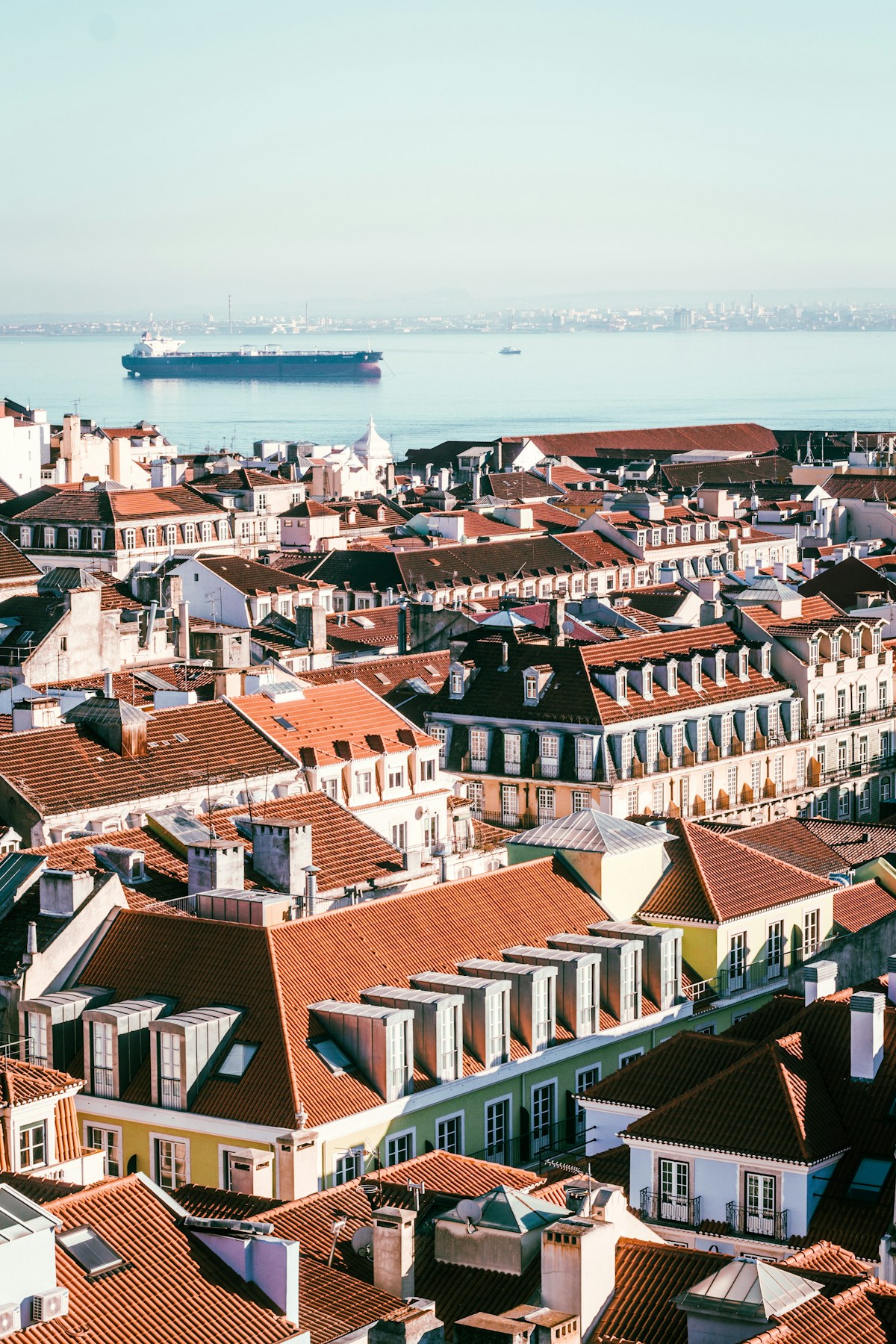
The boom is not without friction. Concerns about overtourism in Lisbon's historic centre, where short-term rental saturation has driven up housing costs for locals, continue to generate political debate. Municipal authorities are exploring caps on new tourist accommodation licences and have implemented noise ordinances in residential neighbourhoods popular with visitors.
For the country's significant expatriate population, the tourism surge is a double-edged sword. Rising property values benefit homeowners but squeeze renters. The influx of international money keeps the service economy buoyant, supporting employment in hospitality and retail, but also contributes to the cost-of-living pressures that have become a dominant theme in Portuguese public life.
Portugal's affordability relative to other Western European destinations remains a key selling point. Hotel rates, dining, and public transport costs still undercut Paris, London, and Amsterdam by significant margins, making the country particularly attractive to American tourists seeking European culture without European prices.