Portugal's Olive Oil Is Selling More Barrels for Fewer Euros — Why 2026 Is the Price-Correction Year the Alentejo Was Warned About
The 2025/26 Portuguese harvest landed at roughly 160,000 tonnes — a 10% drop on the record 177,000-tonne campaign a year earlier. Export volumes still rose around 10%, yet the sector's invoice is shrinking because the unit price has collapsed.
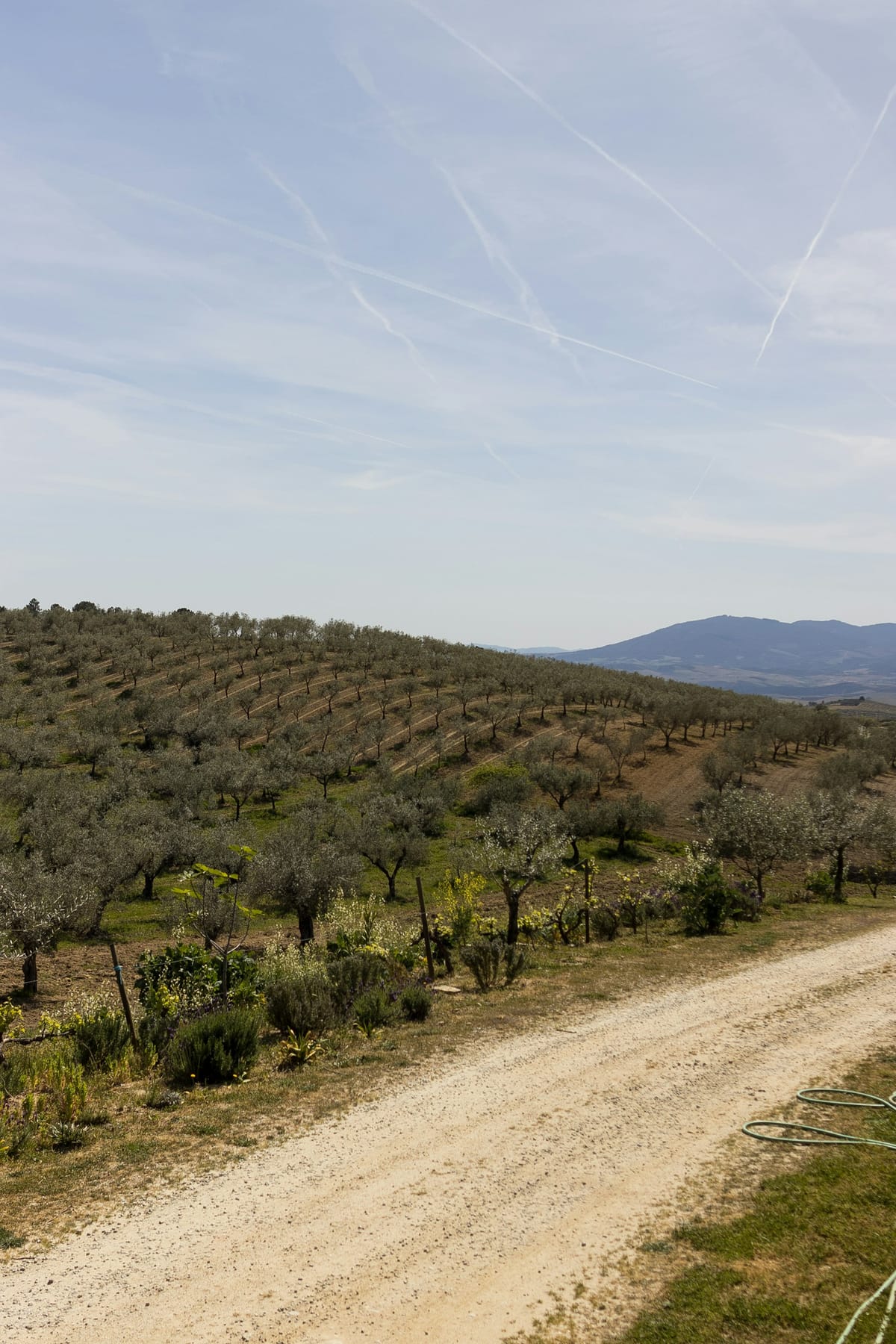
The 2025/26 Portuguese olive-oil campaign closed at about 160,000 tonnes, a 10% fall from the record 177,000 tonnes delivered in 2024/25. Casa do Azeite's own framing treats the crop year as a "mediocre campaign" — an ordinary year, not a bad one. What is unusual is the price sheet the industry is selling it at.
Between November 2024 and October 2025, the average retail price of a litre of virgin olive oil inside Portugal fell from €7.98 to €5.07 — a drop of more than 36%. Those are the grocery shelves; the wholesale curve ran even sharper at the start of the cycle. The International Olive Council's December 2025 statistics pinned world production at around 3.44 million tonnes for 2025/26, roughly 4% below the prior crop year — in other words, supply is contracting globally, but nowhere near enough to reverse the price collapse that followed the 2023/24 Spanish-drought spike.
The export line is bigger in barrels, smaller in euros
Portugal's agri-food and beverage exports fell 4.5% in 2025 to €7.8 billion. The sector's own industry associations have been clear that this decline is driven "almost exclusively" by the correction in international olive-oil prices. The volume of oil shipped abroad actually grew by roughly 10% — Alentejo producers put more cases on more ships — but the invoice attached to those cases was thinner.
That is the arithmetic every Alentejo mill is now working through. Portugal is one of the world's few net exporters of olive oil — it ships out multiples of what it consumes — so the volume-versus-value divergence is not an accounting quirk. It is the sector's main 2026 story, and it is already echoing into Portugal's overall trade balance: the external surplus collapse the Bank of Portugal flagged this month is driven partly by goods-export softness in exactly these commodity-priced food categories.
Who eats the margin — the mill, the bottler, or the co-operative
Portugal's olive-oil architecture is lopsided. A relatively small number of large, vertically integrated producers — the bulk of them in the Alentejo's super-intensive plantations — sit alongside thousands of small co-operative mills in the north-east (Trás-os-Montes, Beira Interior) that have not mechanised. The big Alentejo operators can absorb a 36% wholesale price move by pushing volume through their own bottling lines and branded channels abroad. The co-operative north cannot; it sells bulk, often to Spanish blenders, and the drop hits the producer price directly.
Casa do Azeite's stance that prices will not move "significantly" in 2026 is therefore less comforting than it sounds. Stabilisation at €5.07/litre leaves bulk producers without the margin they got used to during 2023 and 2024, and it arrives at the same time as a European olive-oil market in which Spain is also pushing back export volumes at low unit prices. The squeeze on small Portuguese mills is structural, not seasonal.
What the rest of the food-export file looks like
The €7.8 billion agri-food and beverage export line is not only olive oil — wine, cork (as a food-adjacent category in some classifications), dairy and horticulture sit inside it too. But olive oil is the single largest mover in either direction in any given year, and 2025 was the direction the industry had feared. A recovery in the 2026/27 campaign depends on two things the Alentejo cannot control: rain over winter in both Portugal and Spain, and whether world consumption picks up at the new lower retail prices after years of demand destruction at €8-€10 a litre.
The takeaway for the Alentejo
For expats holding land in the Alentejo or watching olive groves appear on Idealista listings, the next 12 months will separate operators who have scale and brand from those who were selling bulk into a Spanish-dominated price. Portugal's olive-oil boom is not over — the trees are in the ground, the volumes are still rising — but 2026 is the year Portugal discovers what its olive-oil economy looks like when the price line behaves normally again. On the rural-property and fuel-management side of the file, our 28 May read on the Ministério da Agricultura limpeza-de-terrenos deadline extension — José Manuel Fernandes pushing the 31 May cliff to 30 June 2026 nationwide on the back of spring rainfall and a 142% Fixando contractor-demand surge, with coimas at €150-€10,000 for singulares and up to €25,000 for pessoas coletivas under the SGIFR Decreto-Lei 82/2021 framework sets the latest reference. On the agri-food and olive-oil side of the file, our 3 June read on Lisbon hosting the second Olive Oil World Congress at the Centro Cultural de Belém on 2-3 July — Casa do Azeite pairing the congress with the IOC's 123rd Council Session and 66th Advisory Committee Meeting inside Portugal's 179,000-tonne 2025/2026 olive-oil campaign frame and the Alentejo / Trás-os-Montes / Beira Interior DOP production base sets the latest reference.