Portugal's Healthcare System In Depth: SNS, Private Care, and Health Insurance in 2026
Healthcare is one of the most important practical considerations for anyone relocating to Portugal. The good news: Portugal has a genuinely functioning universal public health system (SNS) that covers all legal residents. The more nuanced news: the...
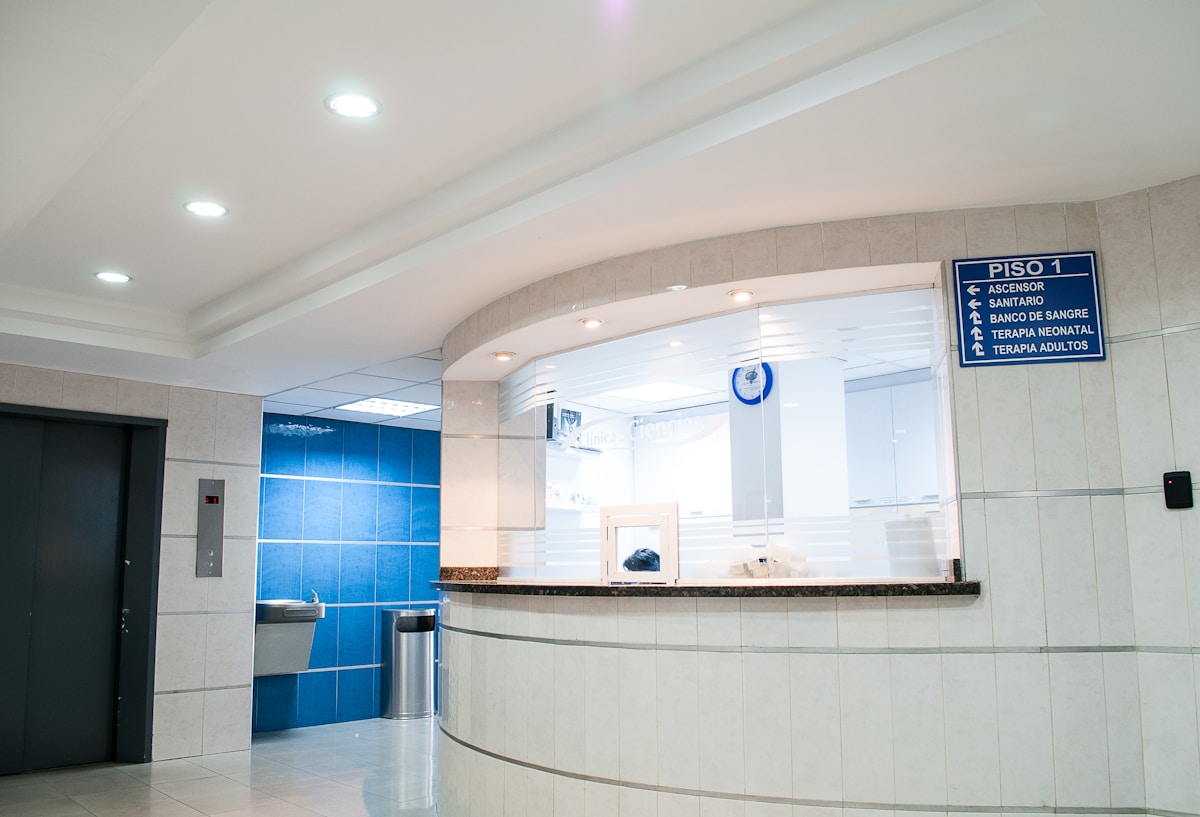
Healthcare is one of the most important practical considerations for anyone relocating to Portugal. The good news: Portugal has a genuinely functioning universal public health system (SNS) that covers all legal residents. The more nuanced news: the quality of care and waiting times vary significantly between SNS and private healthcare — and understanding how the two-tier system works will save you money and frustration.
The SNS (Serviço Nacional de Saúde): Portugal's Public Healthcare System
The Serviço Nacional de Saúde was established in 1979 and provides universal healthcare coverage to all legal residents of Portugal regardless of nationality. Once you have residency status (or even if you're in the process of obtaining it), you're entitled to access the SNS.
How to register:
- Go to your local Centro de Saúde (health centre — there's one in every municipality) with your NIF, proof of address, and residency documentation
- Register as a user of the SNS (utente do SNS)
- You'll be assigned a médico de família (GP/family doctor) at that health centre
- For urgent/emergency care, go directly to Urgência at any hospital — you don't need to be registered first
SNS user fees (taxas moderadoras) 2026:
- GP visit at Centro de Saúde: €5 (or exempt — see below)
- Emergency department visit: €20 (or €14 if referred by GP)
- Specialist outpatient consultation: €8
- Diagnostic tests (blood, imaging): €5–€15 depending on type
- Hospitalisation: €12/day
Exemptions from fees apply to: Children under 18, pregnant women, chronically ill patients, people on low incomes (minimum wage or below), pensioners with low income, people with certain disabilities. In practice, a significant portion of SNS users pay no fees at all.
What's Good About the SNS
Portugal's SNS routinely performs well in European healthcare comparisons. Specific strengths:
- Cancer care: Oncology networks are well-developed. Portuguese cancer survival rates for colorectal and breast cancer are comparable to EU averages
- Emergency and acute care: Major hospitals (Santa Maria in Lisbon, São João in Porto, Hospital do Algarve) handle complex emergencies well
- Maternity: Prenatal care and childbirth are free. Portugal has low maternal and infant mortality rates
- Chronic disease management: Diabetes, hypertension, and cardiac patients with a médico de família receive structured long-term care including free monitoring equipment in some programmes
- Dental emergency: SNS covers emergency dental (pain, infection) — elective dental work is largely private
What's Challenging About the SNS
The SNS has well-documented pressures, particularly since the 2010–2014 austerity period reduced staffing levels that haven't fully recovered.
- Médico de família waiting times: In urban areas (Lisbon, Porto) it can take 6–18 months to be assigned a médico de família after registering. Until then, you're seen by the duty doctor (médico de serviço), which is less consistent
- Specialist waiting times: Referrals to specialists (orthopedics, dermatology, cardiology) through SNS can take weeks to months. Orthopaedic surgery waits of 6–12 months are not unusual for non-urgent cases
- English-speaking doctors: In Lisbon, Porto, and the Algarve, many SNS doctors speak reasonable English. In rural areas and smaller towns, this is less consistent
- Dental and optical: Not generally covered by SNS (beyond emergencies). Budget for private dental and optical separately
- Mental health: SNS psychiatric services are significantly under-resourced. Psychologist access through SNS has long waiting lists; private psychology is the practical option for most expats
Private Healthcare in Portugal
Portugal has a well-developed private healthcare sector. The main private hospital groups are:
- CUF (Lisbon, Porto, Almada, Cascais, others) — the largest private network; good quality, English-speaking staff, modern facilities
- Lusíadas (Lisbon, Porto, Faro) — strong reputation, particularly Lusíadas Lisboa
- Hospital da Luz (Lisbon, Porto, Setúbal, Algarve) — premium tier, internationally accredited
- Trofa Saúde (northern Portugal, Porto focus) — good value, strong in the north
- HPA Health Group (Algarve: Alvor, Gambelas, Portimão) — the main private group in the south, specifically serves expat community
Typical private costs without insurance (2026):
| Service | Cost range |
|---|---|
| GP consultation | €40–80 |
| Specialist consultation | €80–180 |
| Blood panel (comprehensive) | €30–80 |
| Ultrasound | €50–120 |
| MRI scan | €200–450 |
| CT scan | €100–250 |
| A&E visit (private) | €80–150 + tests |
| Dental: check-up + clean | €40–80 |
| Dental: filling | €50–120 |
| Dental: implant | €800–1,500 |
| Eye test + glasses | €20–50 + frames |
| Psychologist (50 min) | €50–100 |
| Physiotherapy (session) | €30–60 |
These costs are substantially cheaper than the UK private sector and a fraction of US healthcare costs — which is one reason medical tourism to Portugal is growing.
Health Insurance Options for Expats
The majority of Portugal-based expats take out some form of private health insurance. There are three main approaches:
1. Portuguese Domestic Health Insurance (Seguro de Saúde)
Policies from Portuguese insurers covering private healthcare in Portugal. The main providers are Médis, AdvanceCare, Multicare (Fidelidade), and Ageas Portugal.
- Cost: €500–1,500/year for an adult under 50 (basic to comprehensive coverage)
- What it covers: Outpatient consultations (GP + specialists), diagnostics, hospitalisation at private hospitals, emergency
- What to check: Network hospitals (CUF, Lusíadas etc.), exclusions for pre-existing conditions, waiting periods (typically 3–6 months for some services)
- Best for: People planning to stay long-term and mainly needing Portuguese private care
2. International Private Medical Insurance (IPMI)
Global policies (Cigna, AXA, Bupa Global, Allianz Care, GeoBlue) covering you anywhere in the world including Portugal.
- Cost: €1,500–4,000+/year depending on age, coverage level, whether US is included
- What it covers: Global coverage, direct billing at private hospitals, evacuation, specialist care abroad
- US exclusion option: Excluding the US typically reduces premiums by 30–50%
- Best for: People who travel frequently, non-EU nationals who may need to return to their home country for care, or those who want comprehensive global coverage
3. Subsystems (Subsistemas de Saúde)
If you're employed in Portugal by a company that offers a health subsystem (ADSE for civil servants, PT ACS for telecom workers, etc.) you may get subsidised private healthcare as a benefit. Worth checking with your employer.
The Practical Two-Track Strategy
The approach most long-term expats use:
- SNS for: registering, getting a médico de família over time, serious emergencies (major trauma, chest pain — the SNS handles these well), maternity, chronic disease management once assigned a GP
- Private for: anything time-sensitive (specialist appointments, diagnostics), dental, optical, mental health, anything where a waiting list would affect quality of life
A combined SNS registration (free) plus a basic Portuguese health insurance policy (€500–900/year) gives most expats adequate coverage for under €100/month.
Medications in Portugal
Prescription medications require a receita médica from a Portuguese doctor (SNS or private). Most common medications are available in Portugal, often at lower cost than Northern Europe.
- Portuguese pharmacies (farmácias) are excellent — well-stocked, staff are qualified pharmacists, and can advise on minor conditions
- SNS prescriptions are subsidised — you pay 30–37% of the cost depending on medication category
- Many medications available OTC in the UK/US require a prescription in Portugal — check before relying on a supply from home
- Pharmacies are open Mon-Fri standard hours; on-duty pharmacies rotate for nights/weekends (farmácia de serviço — posted on door, on SNS24 app)
Emergency and Urgent Care
- Emergency number: 112 (police/fire/ambulance)
- SNS24 helpline: 808 24 24 24 — triage line staffed by nurses, advises on whether to go to A&E or health centre, can book appointments; increasingly available in English
- Urgent care centres (Serviço de Atendimento Urgente / SAU): Minor injuries, illnesses that need same-day attention but aren't A&E emergencies. Faster than hospital A&E for non-serious issues
Portugal's healthcare system rewards those who engage with it actively — registering early, building a relationship with a GP, and understanding when to use SNS versus private channels. For most expats, healthcare in Portugal ends up being one of the pleasant surprises of moving here.