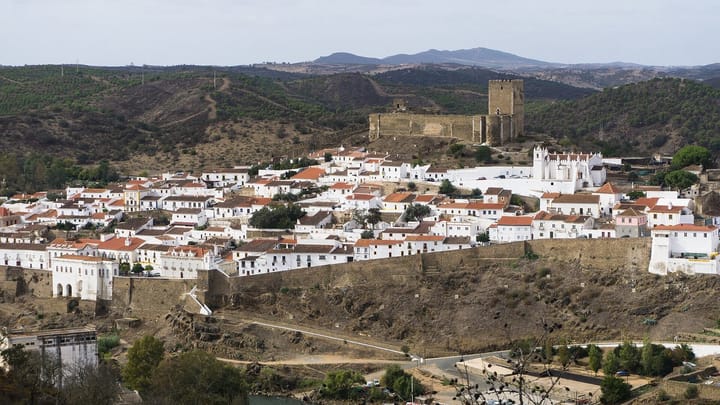
Portugal's Critical Fire Season Begins July 1, With Land-Clearing Fines Reaching €60,000 for Companies
Portugal's critical fire period runs 1 July to 30 September, and the land-clearing deadline lapsed on 30 June. Owners must keep a cleared strip of at least 50 metres around buildings or face fines of €140–€5,000 for individuals and up to €60,000 for companies, with pile burning banned.
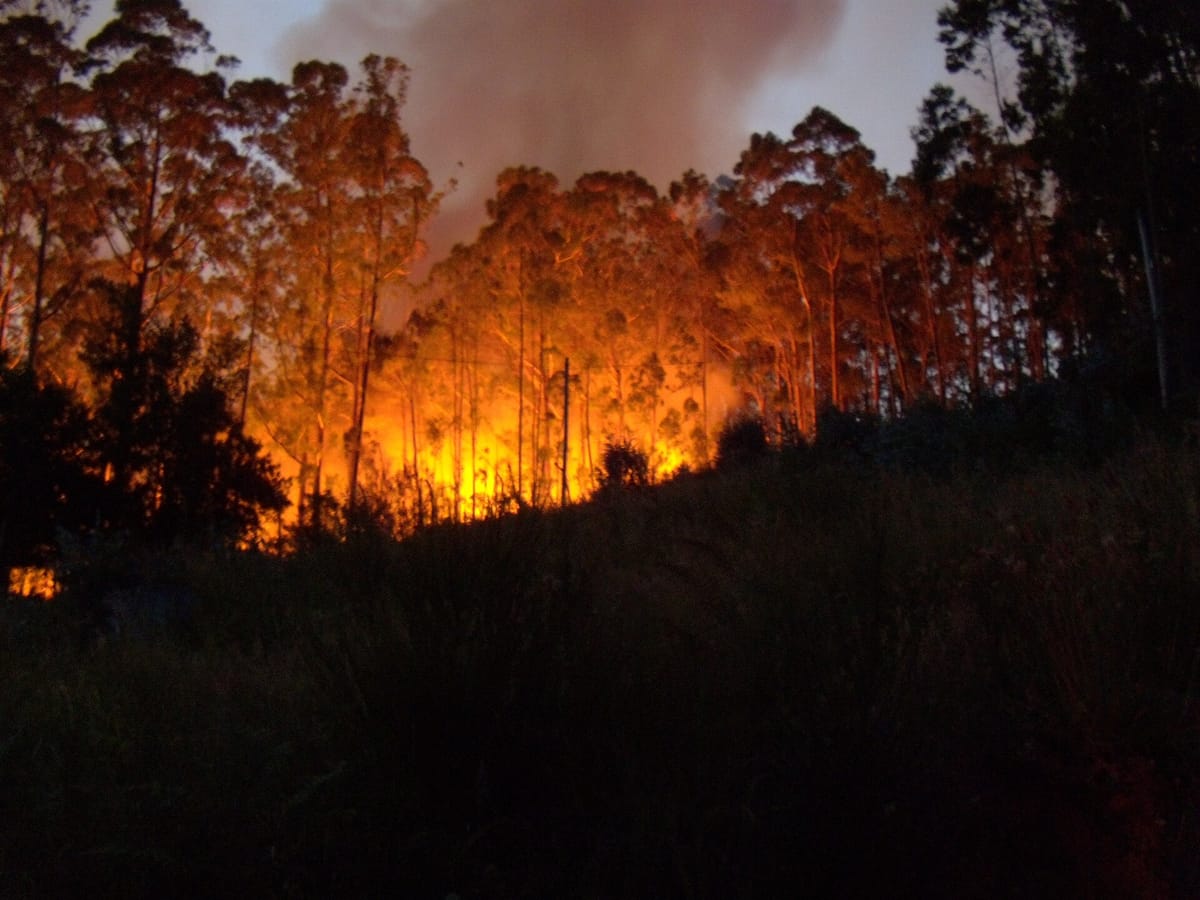
From 1 July, Portugal enters its annual critical fire period (período crítico), the legally defined window — running to 30 September under Decreto-Lei 124/2006 — when the strictest rules on burning, machinery and land management apply. The switch arrives just as the deadline for property owners to clear their land lapsed on 30 June, leaving anyone who missed it exposed to fines as the riskiest months begin.
For the growing number of foreign residents who own rural or semi-rural property, the obligations are easy to overlook and expensive to ignore. They fall on whoever controls the land — owner, tenant or usufructuary — not on the state.
The core obligations
- Clear the land around buildings: Owners must manage vegetation (gestão de combustível, or fuel management) in a strip at least 50 metres wide around any building, and up to 100 metres around villages and clustered settlements. That means cutting undergrowth, spacing trees and removing the dry fuel that lets a grass fire jump to a house.
- No pile burning: During the critical period, burning heaps of cut vegetation (queimas) is banned outright. Extensive agricultural burns (queimadas) are only ever permitted outside this window, at low or moderate risk, and with prior authorisation plus a credentialed technician or fire crew present.
- Watch the machinery: On high and maximum fire-risk days, the use of spark-throwing equipment — brush cutters (motorroçadoras), grass trimmers and disc harrows — is restricted in rural spaces. A stray spark is one of the most common ignition sources.
The penalties
Failing to manage fuel around a building is treated as an administrative offence. For individuals, fines run from €140 to €5,000; for companies, the range climbs from €1,500 to as much as €60,000. Enforcement is real: the GNR (Guarda Nacional Republicana, the rural-policing arm) inspects properties and has issued penalties to landowners — and even to municipalities — for non-compliance.
What this means for expats
- Don’t assume it’s someone else’s job: If you own land, the legal duty to clear it is yours, even for an absentee or holiday property. Hiring a local contractor for the seasonal cut is routine and usually cheaper than the minimum fine.
- Check the daily risk before you cut: The ICNF (Instituto da Conservação da Natureza e das Florestas) and IPMA publish a daily rural-fire-risk map by municipality. On red days, put the strimmer away.
- Know the emergency number: Dial 112 to report a fire. Acting in the first minutes matters far more than waiting to see if it spreads.
- Mind the wider season: The rules bite hardest during a 40°C heatwave like the one now gripping the country, when tinder-dry vegetation needs only a spark.
The land-clearing regime is one of the few obligations that ties property ownership directly to public safety, and the authorities have grown markedly less tolerant of those who skip it. With the critical period now open and a heatwave layered on top, the cheapest insurance an owner can buy is a cleared perimeter — bought, ideally, before the first big fire of the summer tests it. It is also a reminder that some of the costs of living with Portugal’s climate fall on residents directly.