Portugal Sends 57% of Waste to Landfills—Well Above EU Average—as Circular Economy Lags
A new World Bank report shows Portugal landfills more than half its urban waste, far exceeding the EU average of 37%, as the country struggles to meet recycling targets.
Portugal produces nearly 1.5 kilograms of waste per person every day—and 57% of it ends up in landfills, according to a new World Bank report released this week. That figure places Portugal well above the European Union average of 37%, and highlights the country's ongoing struggle to transition toward a circular economy despite years of policy commitments.
The report, What a Waste 2.0: Global Snapshot of Solid Waste Management to 2050, paints a sobering picture of Portugal's waste infrastructure. While wealthier EU nations like Germany, Austria, and the Netherlands landfill less than 10% of their waste, Portugal remains heavily reliant on disposal rather than recovery.
The Landfill Trap
Portugal's waste challenges are structural. The country has made progress in recent years—landfill rates have fallen from over 70% in the early 2010s—but the pace of change has slowed. Recycling rates hover around 30%, and only about 13% of waste is composted or otherwise diverted for organic recovery.
Part of the problem is infrastructure. Portugal has only three major waste-to-energy incineration plants, compared to dozens in countries like Sweden or Denmark. Composting capacity remains limited, and many municipalities lack the logistics to handle separate collection of organic waste, despite EU directives requiring it.
"We have the laws, we have the targets, but we don't have the investment or the behavior change," said Ana Carvalho, a waste management consultant based in Porto. "And the longer we delay, the more it costs to catch up."
What It Means for Expats and Residents
For foreigners living in Portugal, the waste system can be a surprise—and not always a pleasant one. Many expats report confusion over Portugal's mixed-bag approach to recycling, which varies widely by municipality.
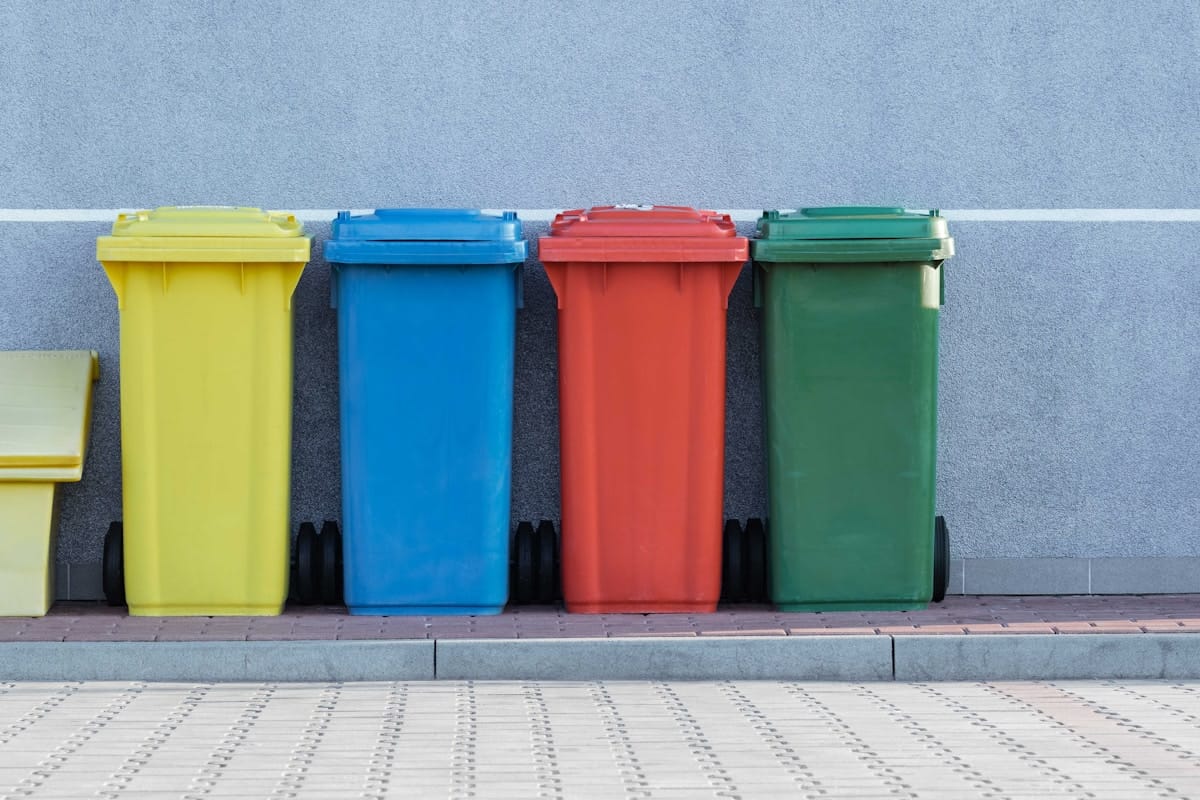
In Lisbon and Porto, curbside collection of recyclables is reasonably well-developed, though contamination rates are high and enforcement is weak. In smaller towns and rural areas, residents often must drive to centralized ecopontos (recycling points), and organic waste is typically mixed with general refuse.
"Coming from Germany, it was shocking," said Markus Becker, a software engineer who moved to Braga in 2023. "There's no compost bin. Glass and plastic go in the same bag. It feels like we're going backwards."
Portugal's lagging waste performance also has fiscal consequences. The European Commission has flagged the country for missing recycling targets, and fines could be imposed if Portugal fails to reach 55% recycling of municipal waste by 2025—a deadline that now appears out of reach.
Climate and Fiscal Pressure
The waste issue ties into Portugal's broader climate vulnerability. Landfills are a significant source of methane emissions, and Portugal is already among Europe's most climate-vulnerable nations, facing increased risks from droughts, wildfires, and extreme weather.
Moreover, the country's weak waste management compounds its climate-fiscal risks. As one recent report warned, failing to invest in resilience and sustainability could push Portugal's debt ratio up sharply by mid-century.
Waste management is not glamorous policy, but it's foundational. And right now, Portugal is behind.
A Path Forward?
There are glimmers of progress. Several municipalities, including Lisbon and Cascais, have launched pilot programs for door-to-door organic waste collection. The government has pledged to expand waste-to-energy capacity and invest in sorting infrastructure through EU recovery funds.
But experts say the real challenge is cultural. Portugal needs to move beyond the "put it in the bin and forget it" mentality that still dominates household behavior. Public campaigns, stricter enforcement, and financial incentives—like pay-as-you-throw systems already used elsewhere in Europe—will be necessary.
"The infrastructure matters, but behavior matters more," said Carvalho. "Until Portuguese families see waste as a resource, not a nuisance, we'll keep filling landfills."
For now, Portugal produces 1.5 kilograms of waste per person per day—and more than half of it is buried. The question is how long the country can afford to keep it that way.
Related: EU Report Names Portugal Among Europe's Most Climate-Vulnerable Nations | Portugal's Climate-Fiscal Timebomb | Climate Change Made Portugal's Storm Season 30% Wetter For foreign residents on the Portuguese household-waste rail, our 2026 guide to recycling and household waste in Portugal — the four Ecoponto colour codes, the biorresíduos rollout under Decreto-Lei 102-D/2020, the new Volta deposit-return system for beverage containers, and the dedicated channels for oil, batteries, electronics, monstros and textiles sets the latest reference. On the waste, landfill and circular-economy side of the file, the plan for an Algarve waste-to-energy plant explains how the region hopes to keep its rubbish out of the ground. On the Portuguese waste and recycling file, the environment minister's admission that the Volta deposit-return scheme has a bin-picking problem, a shortage of machines and a hospitality trade still adjusting is the latest development.