Portugal Calls In European and Spanish Air Support as a Caramulo Wildfire Scorches 13,000 Hectares
A wildfire in the Caramulo mountains burned more than 13,000 hectares across the Viseu and Aveiro districts, the country's largest so far this summer. Portugal activated the EU Civil Protection Mechanism, drawing Canadairs from Italy and a Spanish military unit before the blaze was brought under con
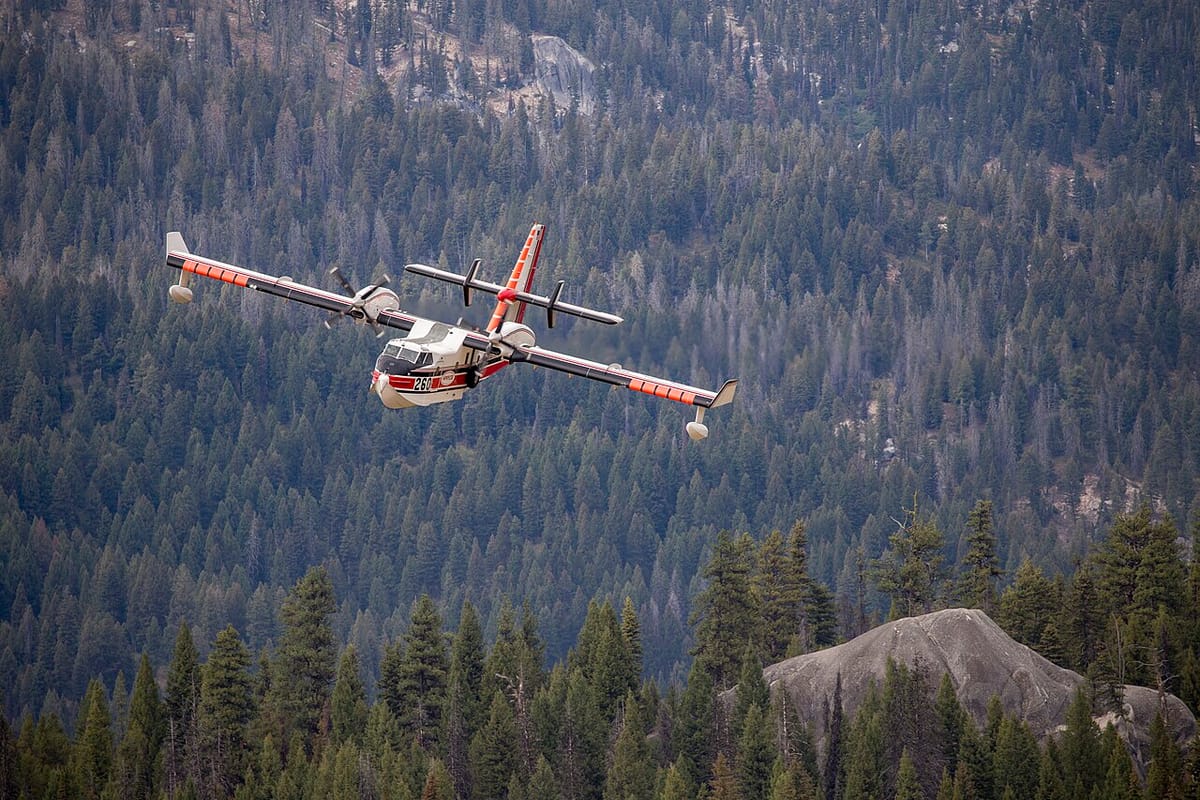
Portugal has called in European and Spanish reinforcements to fight a wildfire that tore through the Caramulo mountains for five days, burning more than 13,000 hectares of forest and scrub between the Viseu and Aveiro districts — the largest blaze the country has faced so far this summer.
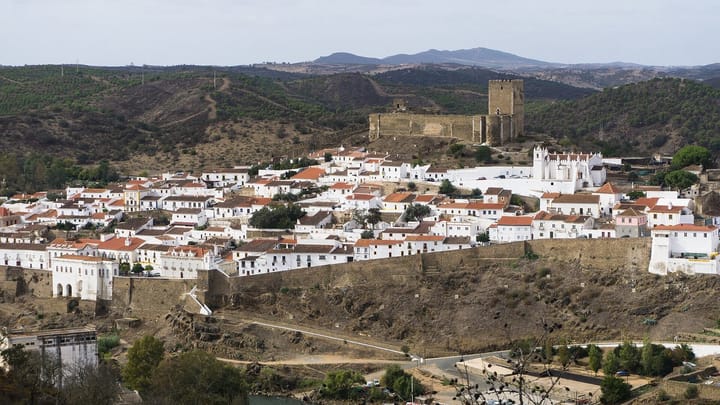
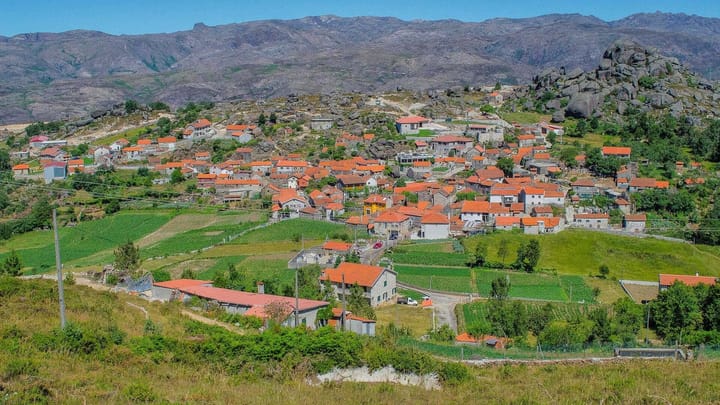
The fire broke out at around 3 a.m. last Thursday in Tourelhe, in the parish of Cambra in the municipality of Vouzela, and quickly spread to three neighbouring councils: Oliveira de Frades, Tondela and Águeda. At its peak it drew more than 1,400 firefighters and 17 aircraft, and it forced the evacuation of Belazeima do Monte, a village on the serra do Caramulo (Caramulo mountain range) in the council of Tondela. Seven people were injured and the flames reached a wood-processing factory as they advanced.
With the national dispatch stretched, the government activated the European Union Civil Protection Mechanism on Friday, alongside bilateral cooperation accords with Spain and Morocco. Italy responded by sending two Canadair water bombers, while Spain contributed a Canadair, ground crews and a 120-strong detachment from its Unidade Militar de Emergências (UME, Military Emergency Unit), which arrived overnight with 30 vehicles. It is a striking illustration of how, when a single fire outgrows a country's own resources, the shared European system is designed to step in.
By Tuesday the fire had been brought under control, but the Autoridade Nacional de Emergência e Proteção Civil (ANEPC, National Emergency and Civil Protection Authority) cautioned that the danger was far from over. Around 1,200 firefighters remained on the ground, watching a vast burned perimeter that kept throwing up reignitions. Officials described the situation as calmer, with the wind no longer gusting hard, but warned that the sheer scale of the scorched area made flare-ups likely for days to come.
The Caramulo fire is not an isolated episode. Civil-protection authorities have said the national state of alert should hold into next week, and forecasters note that southern Europe is enduring an unusually early start to the wildfire season. Spain, Italy and Greece have all reported significant fires in recent days, and the mutual-aid requests now flowing across borders reflect a continent bracing for a long, hot summer.
For residents and visitors, the practical message is one of vigilance. Portugal's rural fire rules ban most outdoor burning, machine use that can throw sparks, and fireworks during high-risk periods, and the ANEPC publishes daily municipal risk maps that were flashing "very high" and "maximum" across much of the interior this week. Fines for careless behaviour that starts a fire are steep, and in the worst-affected areas access to forest tracks can be restricted at short notice.
The blaze also revives a familiar national debate about prevention. Portugal has invested heavily in aerial firefighting and early detection since the deadly fires of 2017, yet the country's mix of abandoned farmland, dense eucalyptus and an ageing rural population continues to leave the interior exposed. Each large fire that ends only with foreign aircraft overhead sharpens the question of whether enough is being done in the quieter months, long before the first spark. On the fire-fleet side of the file, the 23 forest firefighting trucks Timor-Leste's donation has just paid for sets out the contracts CCDR-Norte signed in Penafiel with brigades in 17 northern councils, the 75 percent funding rate capped at €187,500 a vehicle, and the 30 April 2027 deadline for getting them into DECIR. On the compensation side of the file, the natural-catastrophe declaration that opened the €10 million farm-recovery call sets out the 32 parishes across nine councils the despacho actually names, the 30 percent damage threshold, the 100 / 80 / 50 support scale that turns on whether you hold agricultural insurance, and the 17:00 deadline on 27 October.