Portugal Rules Out Military Involvement in the Strait of Hormuz
Portugal's Foreign Affairs Minister Paulo Rangel has categorically ruled out any Portuguese military involvement in the Middle East conflict, including in the strategically vital Strait of Hormuz. Speaking to journalists after a meeting of EU...
Portugal's Foreign Affairs Minister Paulo Rangel has categorically ruled out any Portuguese military involvement in the Middle East conflict, including in the strategically vital Strait of Hormuz. Speaking to journalists after a meeting of EU foreign ministers in Brussels on 16 March, Rangel stated plainly: "Portugal is not, nor will it be, involved in this conflict."
The declaration comes amid escalating pressure from the United States, where President Donald Trump has warned that NATO allies would face a "very bad future" if they did not help reopen the strait. Rangel's response to whether Portugal would answer that call was unambiguous: "What I can say is that we will not participate in this conflict, which has been very clear from the beginning."
A Diplomatic, Not Military, Response
While acknowledging that "everything that can be done to unblock the Strait of Hormuz and allow freedom of navigation is positive," Rangel was firm that Portugal's contribution would remain on the political and diplomatic level. He described a "broad consensus" among EU foreign ministers that efforts should focus on overcoming the blockage without resorting to military options.
"Everyone is willing, especially those with the most resources -- and when I say resources, I also mean diplomatic resources -- to cooperate in this regard," Rangel said. "Now, obviously, this does not imply a change of military resources to the region and, especially, to the Strait of Hormuz."
Existing EU Naval Missions Stay on Course
When asked whether Portugal would support extending the EU's Aspides mission -- which currently escorts commercial ships through the Red Sea -- to cover the Strait of Hormuz, Rangel acknowledged that both Aspides and the Atalanta mission in the Indian Ocean "could have some reinforcement." However, he stressed that these are missions of a different type, designed for different purposes.
"It is certainly not within the context of this conflict, for which these missions were not designed," he said, drawing a clear line between existing maritime security operations and the broader geopolitical standoff in the Middle East.
Portugal's Position in the Wider European Debate
Rangel's remarks align Portugal with the majority of EU member states, most of which have resisted American pressure to deploy forces to the region. The European position broadly favours using diplomatic channels to restore freedom of navigation, while maintaining distance from direct military engagement in the US-Iran conflict.
Portugal's stance is consistent with its recent defence strategy, which has focused spending increases on Atlantic and European commitments rather than expeditionary operations in the Middle East. The country's 5.8 billion euro defence investment plan, announced earlier this year, prioritises modernising its armed forces for NATO's European defence posture rather than power projection into distant theatres.
What This Means for Expats and Residents
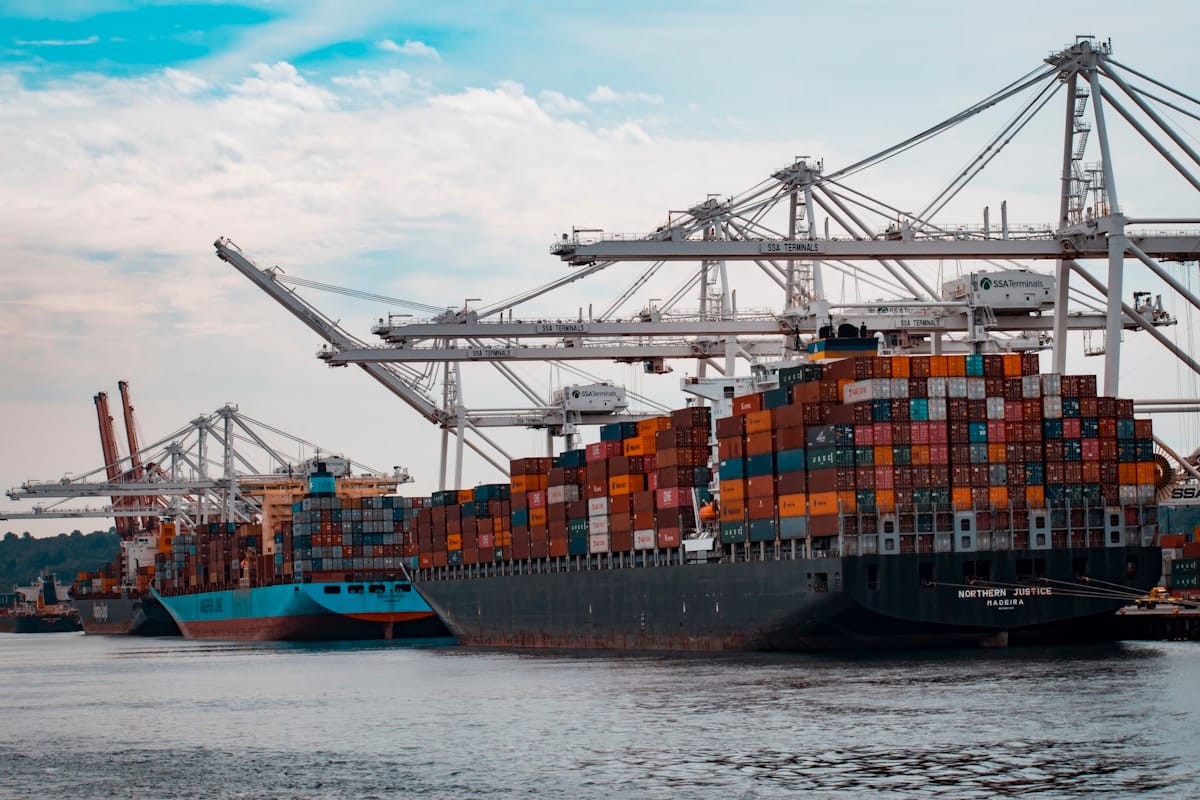
For the foreign community in Portugal, the government's position offers a measure of reassurance. Portugal is not being drawn into a military conflict that could have unpredictable consequences, including for the country's economy and security posture. However, the ongoing closure of the Strait of Hormuz continues to affect Portugal indirectly through rising fuel prices and energy costs -- pressures that are already being felt at petrol stations and in household energy bills across the country.
The diplomatic approach also reflects Portugal's broader foreign policy identity as a bridge-builder rather than a frontline military power, a stance that has historically served the country's international standing and its appeal as a stable, peaceful destination for those choosing to live and work here.