Portugal Recorded 120 Fatal Workplace Accidents in 2024, Down 11.8% as Total Injuries Edged Up
Portugal recorded 120 workplace-accident deaths in 2024, an 11.8% fall from 2023, official GEP data show, though total accidents rose 1.3% to 187,018. Construction accounted for a third of the deaths, and small firms carried a disproportionate share.
Portugal recorded 120 deaths from workplace accidents in 2024, down 11.8% from 136 the year before, according to the latest figures from the Gabinete de Estratégia e Planeamento (Office for Strategy and Planning), the statistics arm of the Ministério do Trabalho, Solidariedade e Segurança Social (Ministry of Labour, Solidarity and Social Security). The fall in fatalities is the report's clear bright spot — but the total number of accidents still edged higher, and the burden remains heavily concentrated in a handful of sectors.
The headline figures
- Fatal accidents: 120 in 2024, an 11.8% drop from 136 in 2023.
- Total accidents: 187,018, up 1.3% from 184,607 a year earlier.
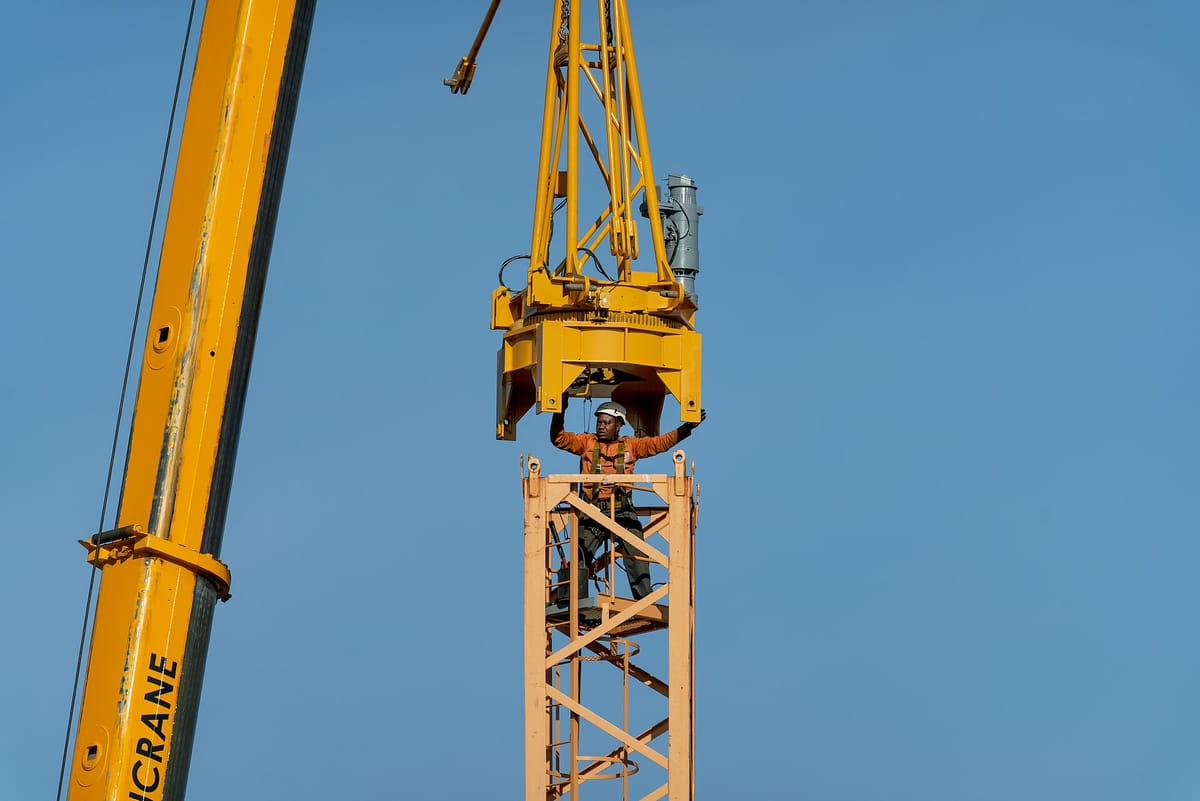
- Construction (construção): 32.5% of all deaths — roughly one in three — despite being far from the largest employer.
- Manufacturing (indústria transformadora): 22.2% of all accidents, the single biggest share by volume.
- Highest incidence rate: water supply and waste management, at 8,437.7 accidents per 100,000 workers, just ahead of construction at 8,362.0.
- Days lost: up 4.3% overall, averaging 39.8 lost days per accident.
Small firms carry the heaviest toll
One of the report's starkest findings is about company size. Firms with between one and 49 employees accounted for 45.6% of all accidents — but 64.3% of the fatal ones. In other words, a worker is disproportionately likely to die in a small business, where safety officers, formal training and protective equipment are often thinner on the ground than at large industrial employers.
That pattern lines up with the sectors most exposed. Construction and manufacturing together dominate both the death toll and the raw accident count, and both lean heavily on small and medium subcontractors — and, increasingly, on migrant labour. Foreign nationals now make up almost one in five contributors to the social-security system, and whole sectors including construction now depend on immigrant workers who may face language barriers around safety briefings and their own rights.
Why the deaths fell — and what could reverse it
The 11.8% drop in fatalities comes against a backdrop of steady construction activity and tighter rules. Portugal overhauled its building framework this year, with a new construction code that took effect on 1 June, consolidating decades of scattered regulation. Enforcement sits with the Autoridade para as Condições do Trabalho (ACT — Authority for Working Conditions), which inspects sites and can fine employers that cut corners on safety.
The near-term risk is the weather. Portugal entered its critical fire season on 1 July amid a heatwave, and outdoor workers on building sites, in agriculture and in road maintenance are the most exposed to heat stress. Employers are legally required to adjust working hours, provide water and shade, and monitor staff during extreme heat — obligations that tend to be honoured unevenly at exactly the kind of small firm the fatality data flags as most dangerous.
What This Means for Expats and Workers
- Your employer must insure you: every employer in Portugal is legally required to hold seguro de acidentes de trabalho (workplace-accident insurance). It covers medical treatment, rehabilitation and a share of lost wages if you are hurt on the job — regardless of your nationality or contract type.
- Self-employed workers need their own cover: if you work on recibos verdes, the accident insurance is your responsibility, not a client's. Check that you actually have a policy before you take on physical or on-site work.
- Heat rules apply this summer: during the current heatwave, you are entitled to adapted hours, hydration and breaks on outdoor jobs. Persistent breaches can be reported to the ACT.
- Know where to complain: unsafe conditions can be flagged to the ACT, and every workplace open to the public must keep a Livro de Reclamações (complaints book). Small firms are statistically the riskiest, so do not assume a tiny employer is a safe one.
The direction of travel is encouraging: fewer people are dying at work in Portugal than a year ago, even as the economy adds jobs and employers weigh their hiring plans for the months ahead. But with the accident count still creeping up, small firms over-represented in the deaths, and a punishing summer under way, the gains are fragile. The parallel debate over the country's stalled Labour Code overhaul will ultimately decide how hard the state pushes on conditions in the workplaces where the risk is greatest.