Portugal Public Sector Strike on Monday: What to Expect at Hospitals, Schools, and Government Offices
Portugal's public sector faces a 24-hour nationwide strike on Monday, March 23, with disruptions expected across healthcare, education, and essential government services. The walkout, called by the Fesinap union federation representing approximately...

Portugal's public sector faces a 24-hour nationwide strike on Monday, March 23, with disruptions expected across healthcare, education, and essential government services. The walkout, called by the Fesinap union federation representing approximately 9,000 civil servants, runs from midnight to 11:59 PM and covers central, regional, and local administration.
Fesinap secretary-general Mario Rui Cunha has told Lusa news agency he expects "strong" participation, particularly in the health and education sectors. Minimum service protocols will be enforced in critical areas, but significant delays are virtually certain.
Healthcare: Postponed Appointments and Skeleton Crews
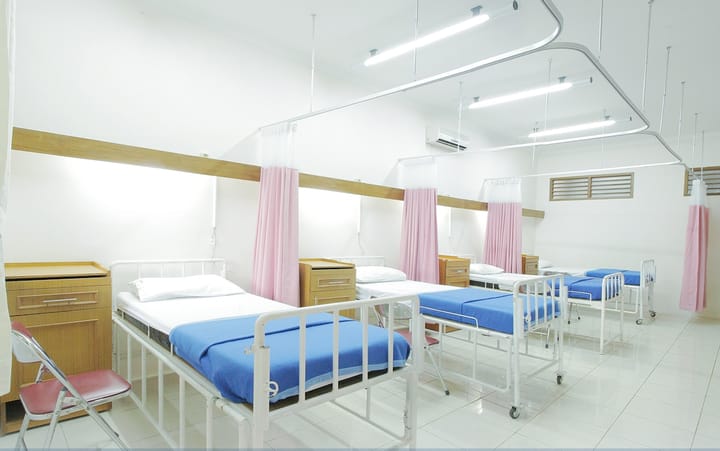
The Portuguese National Health Service (SNS) is expected to bear the heaviest impact. Hospital consultations and non-urgent surgeries may be cancelled or postponed. Health centres are likely to operate with reduced staff, meaning longer wait times for walk-in patients and potential rescheduling of pre-booked appointments.
Emergency departments will maintain minimum service levels as required by law, but anyone with non-urgent medical needs should consider rescheduling for later in the week. Pharmacies, which operate independently of the public sector, will remain open as normal.
Schools: Closures and Reduced Services
Public schools across the country may close or operate with limited services. The strike extends to educational support technicians -- staff who perform essential functions in schools but lack a formal career track, one of Fesinap's key grievances. Parents should prepare contingency plans for childcare, particularly for younger children.
Private and international schools are not affected by the strike.
Government Services: Immigration, Social Security, Courts
This is where the strike may hit expatriates and immigrants hardest. Fesinap predicts substantial participation at the Agency for Integration, Migration and Asylum (AIMA), the Social Security Institute, the Institute of Registries and Notaries, and the Directorate-General for Justice Administration.
Anyone with scheduled appointments for passport renewals, document certifications, immigration matters, or benefit processing should expect delays that may extend beyond Monday. The DGAJ has already issued a circular establishing minimum service levels for courts, ensuring urgent proceedings continue.
What Sparked the Strike
Three core grievances drive the action. First, performance evaluation backlogs under Portugal's SIADAP system have left thousands of public employees unable to progress in their careers. The system imposes quotas -- only 30 per cent of civil servants can receive "very good" ratings and just 10 per cent can be rated "excellent" -- which Fesinap calls "unjust" and wants eliminated.
Second, the federation demands a formal career track for educational support technicians, who currently lack professional recognition despite performing essential duties in schools.
Third, Fesinap insists on expanded hiring in the health sector, where it says chronic understaffing has reached critical levels. The union has publicly denounced what it calls the "criminal practice" of reassigning cleaning staff to direct patient care in some Local Health Units to compensate for shortages of qualified health auxiliary technicians.
The Political Context
The strike comes after Fesinap was excluded from the January 2026 multi-year public sector pay agreement, which was signed only with rival unions Fesap and STE. Cunha says his requests for a meeting with government officials have gone unanswered.
The walkout also extends beyond core government agencies to the public enterprise sector and private social solidarity institutions (IPSS), broadening its reach into nursing homes, daycare centres, and community support services.
Practical Advice
If you have government appointments on Monday, check directly with the relevant office for confirmation. Where possible, reschedule non-urgent visits to later in the week. Stock up on any prescription medications before the weekend. Keep an eye on school communications for closure notices, and have a backup childcare plan ready.
See also: Portugal's Labor Reform Heads to Parliament
See also: Portugal Approves Deportation Bill
Background: See the STTS national health-sector strike on 4-5 May.
Background: See STTS calls a 24-hour health-sector stoppage for Monday and Tuesday with a 5 May Hospital Santa Maria demonstration.