Portugal and Morocco Ask Brussels to Help Fund a Power Line Across the Strait
Meeting in Lisbon, the energy ministers of Portugal and Morocco agreed to press the European Commission to fund an electricity interconnection between the two countries, seeking IPCEI status and inviting private operators to co-invest. A 2018 estimate put the cost near EUR 800 million; a bilateral s
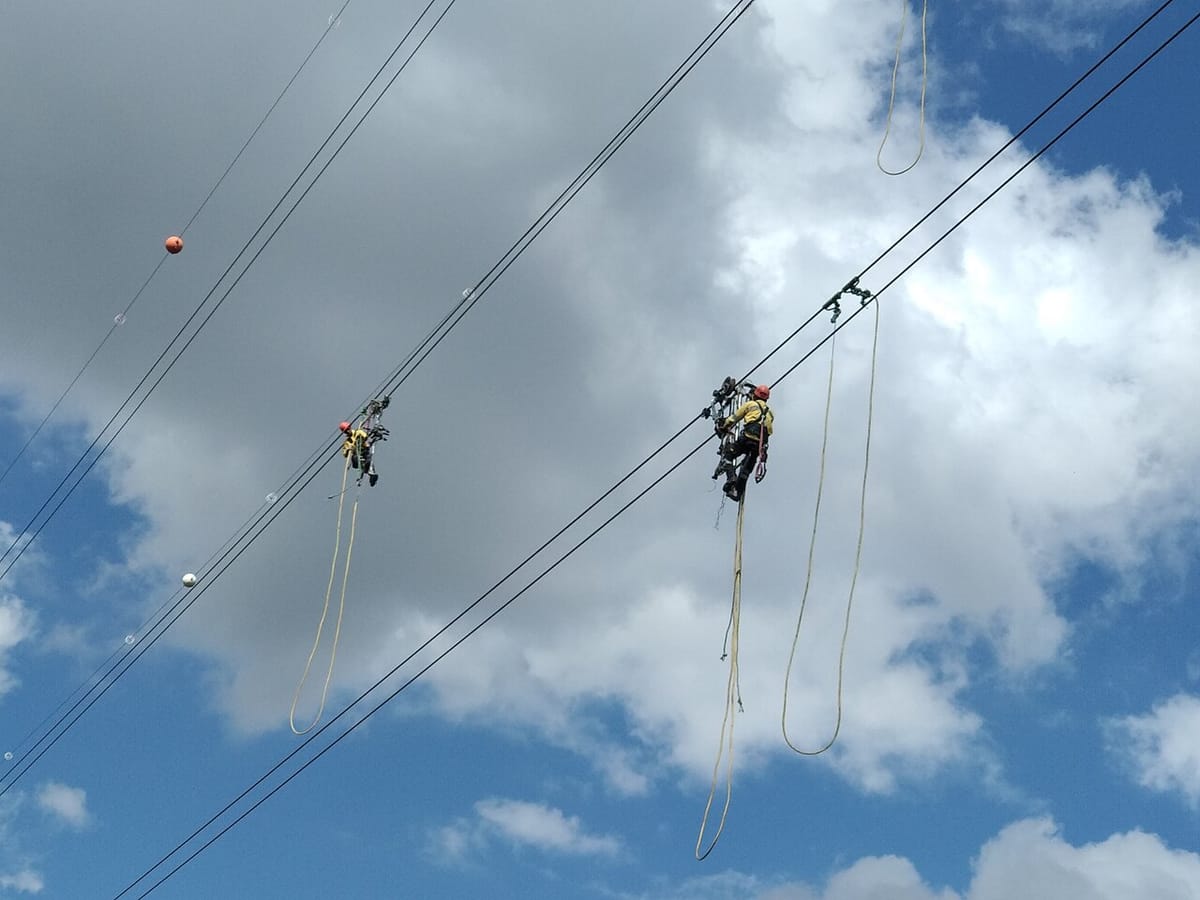
Portugal wants to plug its power grid into Morocco's, and it is asking Brussels to help pay for it. Meeting in Lisbon on Monday, Portugal's Minister of Environment and Energy, Maria da Graça Carvalho, and her Moroccan counterpart, Leila Benali, the Minister of Energy Transition and Sustainable Development, agreed to press the European Commission for funding to build an electricity interconnection across the strait that separates the two countries.
The pitch is being framed in the language Brussels responds to. The two governments want the link classified as an Important Project of Common European Interest (IPCEI), a designation that unlocks looser state-aid rules and access to European money — in this case through the reinforced Connecting Europe Facility, the EU's infrastructure funding pot. To make the case, the ministers plan to meet Teresa Ribera, the Commission's executive vice-president for the clean transition, and lay out the proposal directly.
Sharing the bill with private capital
Neither government wants to shoulder the cost alone. "Não queremos sobrecarregar os nossos consumidores" — "we don't want to overburden our consumers and taxpayers" — Carvalho said, and the plan reflects that. Lisbon and Rabat are weighing a formal "manifestação de interesse" (expression of interest) that would invite private energy operators, including distribution companies, to bid into the project and put their own money on the table alongside any EU subsidy.
The price tag is genuinely uncertain. A 2018 study put the cost of a Portugal–Morocco link at around €800 million, but officials concede that figure is now badly out of date, overtaken by changes in technology, cable prices and the possible routing of the line. A firmer number, like much else, awaits the engineering studies that EU designation would help finance.
Why link the two grids at all
The logic runs in both directions. Morocco has been building solar and wind capacity at scale and has ambitions to export clean power northward into Europe; Portugal, already a renewables heavyweight and a net exporter in windy, sunny stretches, sits at the western edge of the European grid and wants more ways to move surplus electricity in and out. A southern cable would give the Iberian Peninsula a second external door beyond its long-congested connection to France — a bottleneck that has kept Spain and Portugal partly islanded from the rest of the European market for years.
The April blackout that swept across Iberia earlier this decade sharpened the argument that the peninsula needs more, not fewer, cross-border links to stay stable as it leans harder on intermittent renewables. A line to Morocco would not solve the France constraint, but it would add resilience and a fresh trading route to the south.
The diplomacy is moving in parallel with the wiring. A bilateral Portugal–Morocco summit is expected before long — possibly in early 2027 — where the interconnection is set to be discussed alongside cooperation on renewable energy and critical-minerals mining. For now the two ministers have a shared shopping list and a common destination: the European Commission, and its budget.