Porto vs Lisbon: Which City Is Right for You as an Expat in 2026?
Lisbon and Porto are Portugal's two great cities. They're different in almost every meaningful way. Here's an honest comparison for expats deciding where to put down roots.
No question comes up more among people planning a move to Portugal: Porto or Lisbon? Both cities have passionate advocates, and both have drawn significant numbers of expats over the past decade. But they're genuinely different in character, cost, size, culture, and what they offer day-to-day. This is an honest comparison without the promotional gloss.
The Short Version
- Lisbon: Larger, warmer, sunnier, more international, better job market, higher cost, more tourists, more nightlife, broader expat infrastructure
- Porto: Smaller, more authentic, cheaper (by 15–25%), Atlantic weather, stronger local culture, growing tech scene, better for families wanting less chaotic city life
Neither is objectively better. The right answer depends heavily on your lifestyle, budget, work situation, and personality.
Size and Atmosphere
Lisbon has a metro area population of roughly 2.9 million. It's the capital and feels like it — cosmopolitan, international, politically prominent, culturally rich. The city is hilly and beautifully chaotic, built across seven hills with the Tagus estuary giving it an open, sunlit quality.
Porto has a metro area of around 1.7 million. It's Portugal's second city but doesn't feel like it's trying to be Lisbon — Porto has a strong, distinct identity. Divided by the Douro River from Vila Nova de Gaia (the wine cellars side), Porto is more compact, more intimate, arguably more real. You hear less English in daily life. You interact with more Portuguese people who haven't been Instagrammed into service-industry cheerfulness.
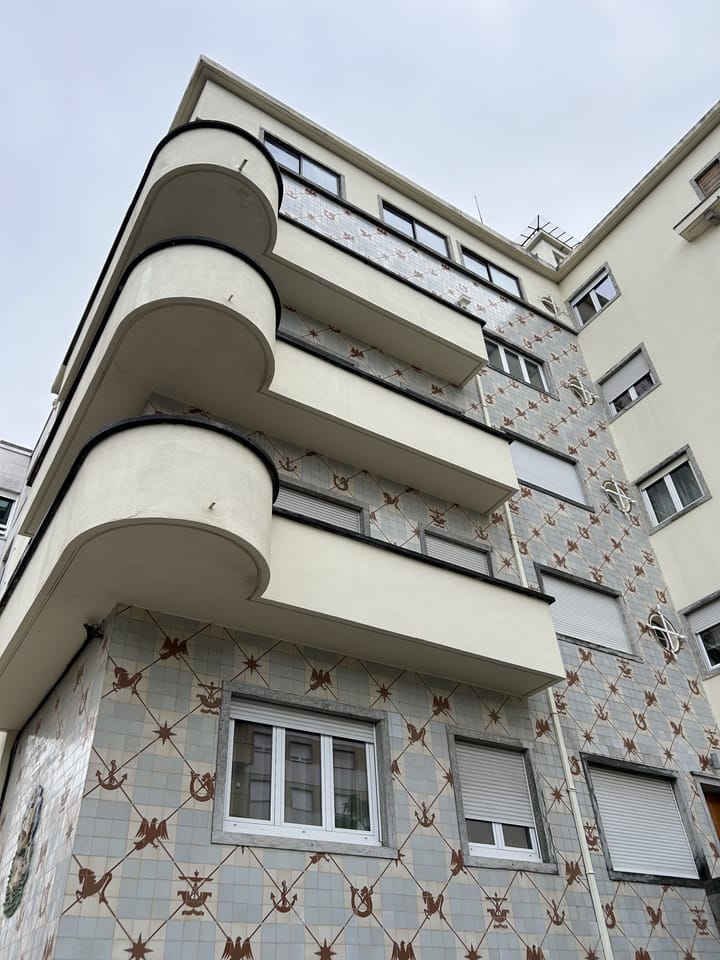
Both cities are beautiful. Lisbon's light and hilltop views are extraordinary. Porto's granite buildings, azulejos-covered facades, and river scenery are arguably even more visually arresting.
Cost of Living
Porto is consistently cheaper than Lisbon, but the gap has narrowed significantly over the past five years. Rough comparisons for 2026:
| Category | Lisbon | Porto | Difference |
|---|---|---|---|
| 1-bed apartment (centre) | €1,100–€1,600/month | €850–€1,200/month | Porto ~20–25% cheaper |
| 1-bed apartment (suburbs) | €700–€1,000/month | €550–€750/month | Porto ~20% cheaper |
| Dinner for 2 (mid-range) | €40–€70 | €30–€55 | Porto ~15% cheaper |
| Coffee | €0.90–€1.20 | €0.80–€1.00 | Marginal |
| Co-working space/day | €15–€30 | €12–€22 | Porto ~20% cheaper |
| Private school (primary) | €6,000–€15,000/year | €4,500–€10,000/year | Porto 20–30% cheaper |
The cost advantage of Porto is real but less dramatic than it was 3–5 years ago. Both cities have experienced significant rental inflation driven by tourism and inbound migration. For a family, the Porto savings are meaningful — potentially €300–€600/month lower in housing alone.
Weather
Lisbon wins on sunshine. Located in the south, Lisbon enjoys approximately 2,800 hours of sunshine annually — one of the highest in Europe. Summers are hot and dry (30–40°C), winters mild (10–15°C). For people coming from the UK, Germany, or Scandinavia seeking genuine warmth, Lisbon's climate is transformative.
Porto's climate is noticeably different. Being on the Atlantic coast of northern Portugal, Porto gets more rain (approximately 1,200mm/year vs Lisbon's 700mm) and is cooler year-round. Summers are pleasant (22–26°C), rarely oppressive. Winters are mild but grey and wet — comparable to northern France or southern England in texture, if warmer. Porto has a microclimate: the city itself can be cool while the Douro valley 50km east is dramatically different.
If sun is a priority, Lisbon is the clear winner. If you prefer milder summers and find Lisbon's July and August too hot, Porto suits better. British expats often find Porto's climate reassuringly familiar.
Job Market and Remote Work Infrastructure
Lisbon is Portugal's economic capital by a wide margin. The headquarters of every major national company, government institutions, and the largest concentration of international tech offices are in Lisbon. If you need a Portuguese employer or are seeking in-country employment, Lisbon's job market is substantially larger.
For remote workers — increasingly the majority of expat arrivals — this matters less. Both cities have good co-working spaces, reliable internet infrastructure, and growing digital nomad communities. Porto's tech scene has grown significantly, centred around the University of Porto's engineering graduates and the Startup Porto ecosystem. Porto is no longer a backwater for tech workers; it's just smaller.
Both cities have solid international airports with good European connections. Porto Airport (OPO) has direct routes to most major European hubs and has added US routes. Lisbon (LIS) has more routes overall and better connections to long-haul destinations — important if you're flying to the US, Asia, or Africa regularly.
Expat Community and Integration
Lisbon has a larger, more established expat community. The international communities in Cascais, Sintra, Estoril, and central Lisbon are well-developed — there are English-language bookshops, international schools, established social networks, and communities of Americans, British, French, Dutch, and German residents that have existed for decades.
Porto's expat community is newer and smaller, but growing rapidly. It has the advantage (for some) of feeling less like a bubble — you're more embedded in Portuguese life, your neighbours are more likely to be Portuguese, you'll pick up the language faster out of necessity, and the city hasn't yet been fully reshaped around international tastes. Whether that's an advantage or a disadvantage depends on what you're looking for.
Families with children: Lisbon has more international school options and a deeper network of English-language education. Porto has good options too (particularly OPOis International School, the Oporto British School), but the choice is narrower.
Neighbourhoods Worth Knowing
Lisbon
- Príncipe Real: Upscale, beautiful, boutique restaurants, popular with remote workers and creatives — expensive
- Mouraria / Intendente: More local, multicultural, cheaper, interesting but gentrifying
- Parque das Nações: Modern, family-friendly, good schools, larger apartments — lacks character
- Cascais (30 min by train): Beach town, very international, British expat hub, more expensive but suburban quality of life
- Almada / Setúbal (south bank): Cheaper, good connections, Portuguese neighbourhoods — less expat infrastructure
Porto
- Foz do Douro: Affluent beach area, good schools, families, international community — Porto's equivalent of Cascais
- Bonfim: Gentrifying, arty, popular with young professionals and nomads — increasingly expensive
- Boavista: Business district, more residential, good infrastructure — slightly less character
- Matosinhos: Seafront, excellent seafood restaurants, less touristy, good value — growing expat presence
- Vila Nova de Gaia: Across the bridge, less expensive, good family areas, the wine caves
Day-to-Day Quality of Life
Lisbon is undeniably more exciting — more to do, more variety, more culture, more international energy. It also has the downsides that come with being a popular capital: more tourists (central Lisbon in summer is extremely crowded), worse traffic, more noise, higher petty crime rates, more bureaucratic congestion (longer queues at Finanças, AIMA, etc.).
Porto is more manageable. A weekend doesn't require escaping the city to breathe. Local restaurants are mostly for locals, not for Instagram. The pace is calmer. The Douro Valley — one of Portugal's most beautiful regions — is 45 minutes by car.
For families with children, Porto frequently wins the quality-of-life calculation: safer streets, easier schooling logistics, better outdoor access, lower cost, less tourist congestion, and a community that tends toward stability rather than transience.
For single professionals, couples without children, or people seeking maximum cultural and social stimulation, Lisbon's larger scene is hard to match.
The Honest Answer
Most people who've lived in both — and there are many, since moving between Portuguese cities is common — describe it this way: they loved Lisbon's energy, but built their life in Porto.
That's not universal. Some people thrive in Lisbon for decades, particularly those with active social lives, creative careers, or a need for the international energy of a larger capital. But for long-term residents prioritising quality of life, community, manageable costs, and sustainable daily living, Porto tends to win.
The best approach: spend at least one week in each, ideally not in tourist season. Walk the neighbourhoods you'd actually live in, not just the historic centres. Have a coffee in a local café at 8am on a Tuesday morning. That's the city you'll actually inhabit.