Polish Trainmaker PESA Drops Out of Lisbon's Violet Line, Leaving Mota-Engil Hunting a New Supplier
Polish manufacturer PESA has withdrawn from supplying trains for Lisbon's Violet Line light metro — the second supplier to exit after China's CRRC fell foul of EU foreign-subsidy rules. The Mota-Engil consortium, whose €598.9m bid covers 17 stations from Odivelas to Loures, must now find a replaceme
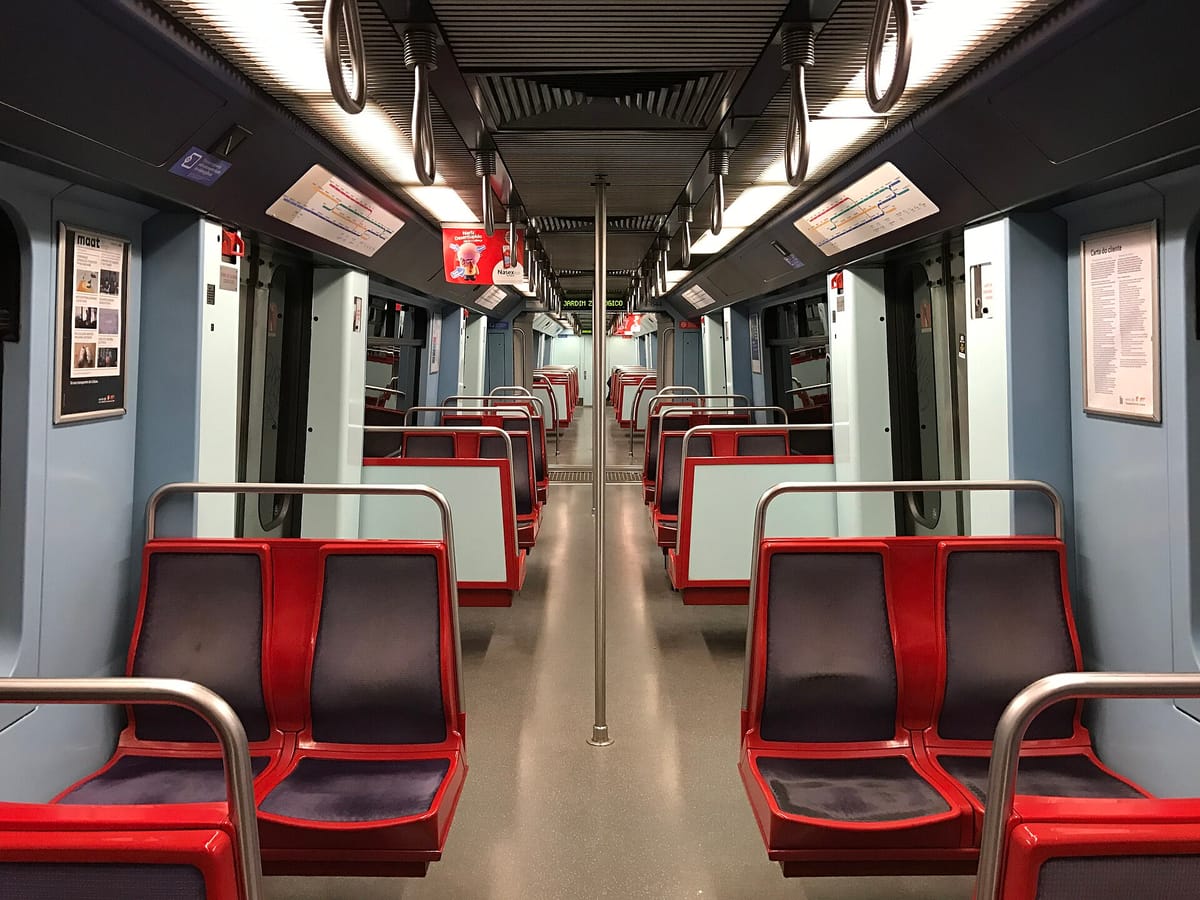
Lisbon's long-delayed Violet Line has hit another obstacle, and this time it is the trains. The Polish manufacturer PESA has pulled out of supplying the rolling stock for the new light-rail line, leaving the consortium led by Mota-Engil scrambling for a replacement barely months after it swapped out its previous supplier.
The Violet Line (Linha Violeta) is a surface light-metro that will run between Odivelas and Loures, north of the capital, across 17 stations. The consortium — Mota-Engil together with Zagope and France's Spie Batignolles — won the tender with a bid of €598.9 million and must deliver 12 light-rail vehicles to run the line. Without a confirmed trainmaker, the project's jury cannot formally award the contract, and construction cannot properly begin.
A supplier problem that began in Beijing
PESA was itself a substitute. The consortium had originally turned to CRRC, the Chinese state-owned rail giant, to build the vehicles. That choice triggered an in-depth inquiry by the European Commission under the bloc's foreign-subsidies rules. Brussels concluded that state support from China had given CRRC “an unfair competitive advantage, to the detriment of other bidders,” distorting the European market. The Chinese firm withdrew, and Mota-Engil put PESA forward in its place, winning Brussels' approval in April.
Now PESA has stepped away as well. According to the economic daily ECO, the consortium retains two further European suppliers it can call on, though it has not named them publicly. Only once a supplier is locked in can the Metro de Lisboa's tender jury issue its final report and adjudicate the contract.
Delays on top of delays
The Violet Line has already been dropped from Portugal's Recovery and Resilience Plan (Plano de Recuperação e Resiliência, or PRR) — the EU-funded programme with hard 2026 deadlines — precisely because it was running late. Each change of supplier resets technical validation and reopens the door to legal challenge: losing bidders may argue that repeatedly substituting the trainmaker breaches procurement rules and warps the original competition.
For residents of Odivelas and Loures, two of the most heavily commuted municipalities in Greater Lisbon, the line promises a faster, greener link into the capital's transport network. But every month of supplier limbo pushes that benefit further out. The saga has also become a test case for how far European public tenders can, or must, shut out cheaper non-EU manufacturers — a question that will outlast this one project and shape infrastructure contracts across the country for years to come.