Penafiel Sets a €1 Municipal Building Fee for New Housing, a First in Portugal
The northern council of Penafiel has cut its Municipal Urbanization Fee to a symbolic €1 for all housing construction — the first municipality in Portugal to do so, ECO reported. A 250m² house drops from about €750 to €1; the measure runs on applications through 31 December 2027.
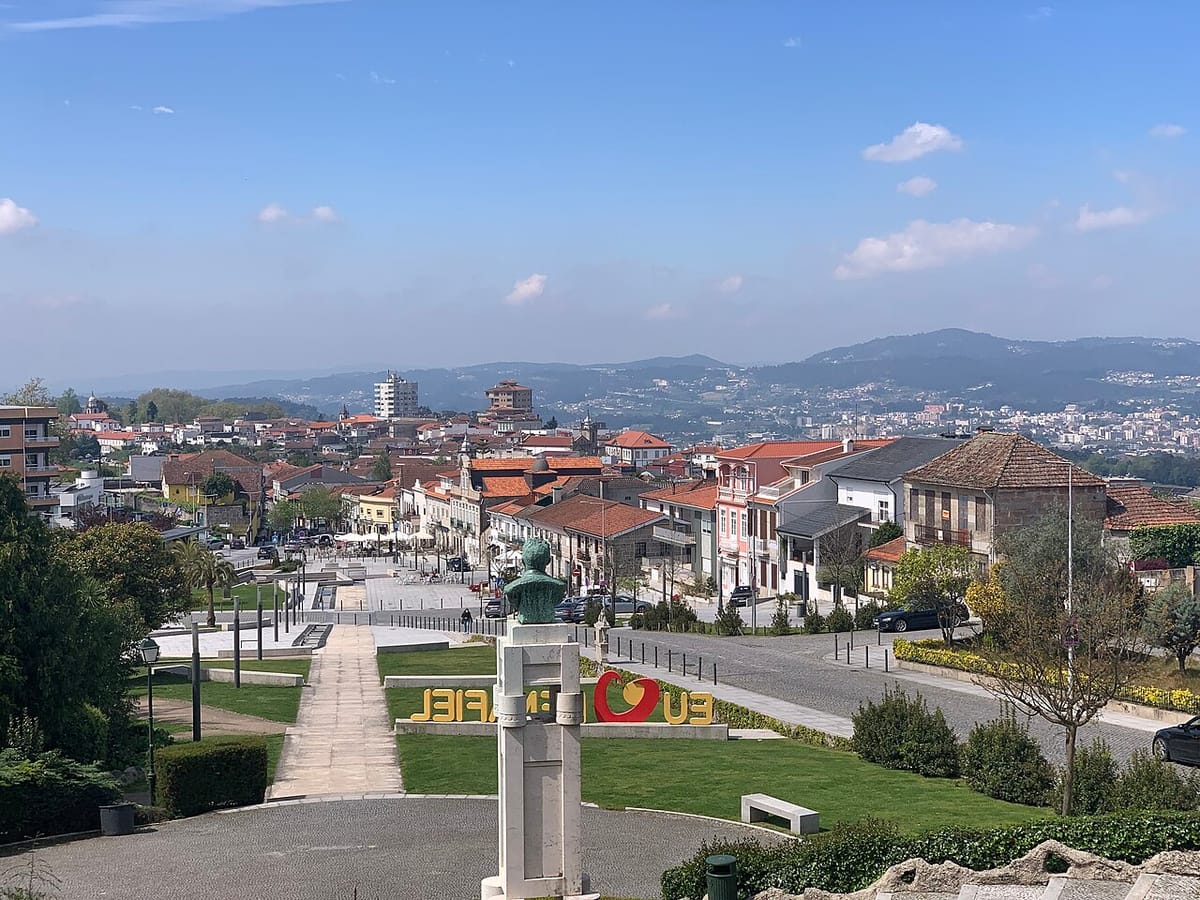
A northern Portuguese town has decided that the price of building a home should start at almost nothing. The council of Penafiel, a concelho (municipality) in the Tâmega e Sousa region east of Porto, has cut its Municipal Urbanization Fee (Taxa Municipal de Urbanização, or TMU) to a symbolic €1 for all housing construction — a move it says makes it the first municipality in the country to do so, according to the business daily ECO and the council's own announcement.
The fee is the charge a town levies on new building work to help cover the cost of local infrastructure — roads, water, sewerage — that a development will draw on. Penafiel's version now costs a single euro for any housing operation, whether a new build, a reconstruction, an extension or an alteration, and whether the project is a single-family house (moradia) or a multi-family residential block. The scale of the reduction is stark: the council gives the example of a 250-square-metre house, whose TMU falls from about €750 to €1, and a 1,200-square-metre residential building, which drops from roughly €5,000 to the same €1.
The measure is not open-ended. It applies to licensing applications submitted through 31 December 2027, a window the council frames as a deliberate push to bring forward projects rather than a permanent giveaway. Alongside the headline cut, Penafiel has also introduced a new formula for calculating urban compensations (compensações urbanísticas) that lowers the amounts payable across housing, commerce, services and industry — so the wider regulation reaches beyond homes, even if the €1 figure is reserved for housing.
Penafiel's mayor, Pedro Cepeda, has cast the decision as a direct answer to Portugal's housing shortage, arguing that the problem is solved through concrete decisions rather than speeches and that the town must make building simpler and less costly. The council is explicit that it is giving up municipal revenue to lower construction costs, betting that cheaper permits will draw both individual self-builders and property developers and, in time, add to local housing supply. It has not, in the material reviewed, put a figure on how much income it expects to forgo, nor set a target for the number of homes the incentive should produce.
The timing tells its own story. Cepeda first announced the plan on 28 May 2026, on the eve of inaugurating the Irivo housing complex, a 33-unit development for 18 families. The change was then published in the official gazette, the Diário da República, and took legal effect on 14 August 2026 — the point at which it surfaced as national news. Whether a fee that was already a modest slice of a construction budget can meaningfully shift where and how much gets built is an open question; a permit is only one line in the cost of a house, and land, materials and labour are the heavier ones. But as a signal of intent from a mid-sized council competing for residents and investment, Penafiel's single euro is hard to miss. Update: read about the building permit overhaul that took effect on 1 October 2026 with 20-day licence deadlines and works started on a filed notice.