OMV Bastonário Pedro Fabrica Launches a National Petition From the 11º Encontro de Formação on 23 May to Force a Plenary Debate on the 23% Companion-Animal VAT Versus the 6% Production-Animal Rate
The Ordem dos Médicos Veterinários (OMV) opened a national petition on Friday 23 May 2026 to force a plenary debate in the Assembleia da República on the value-added tax applied to companion-animal medical services. Bastonário Pedro Fabrica...
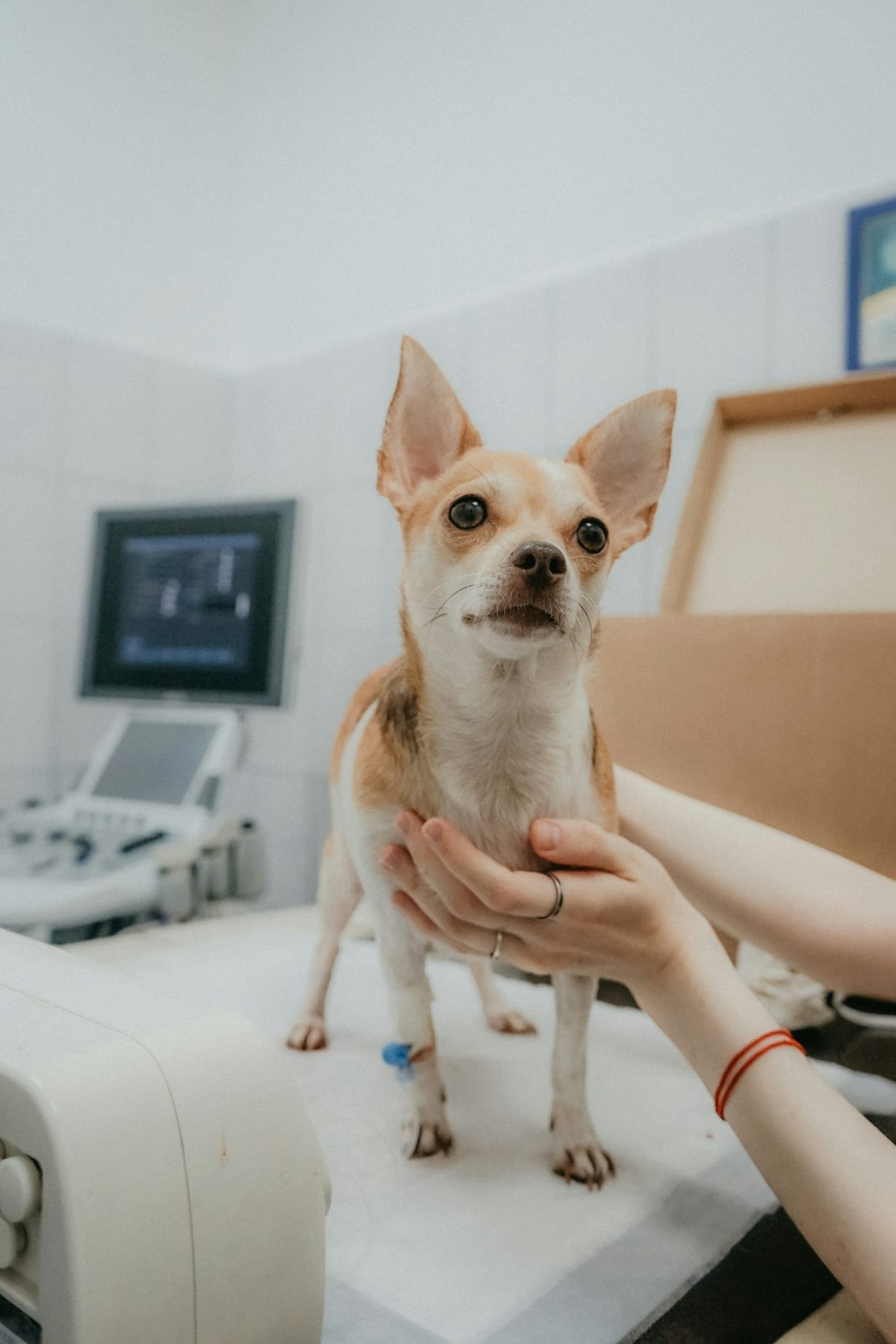
The Ordem dos Médicos Veterinários (OMV) opened a national petition on Friday 23 May 2026 to force a plenary debate in the Assembleia da República on the value-added tax applied to companion-animal medical services. Bastonário Pedro Fabrica announced the move from the podium of the 11º Encontro de Formação in Lisbon, framing the current regime — 23% VAT on dogs, cats and other pets versus 6% VAT on production animals such as cattle, pigs and poultry — as a matter of "enorme injustiça fiscal" that the corps wants the legislature to confront in open chamber rather than in committee. The campaign sits on top of the twelve fiscal and structural measures the OMV submitted to the 2026 State Budget process and a parallel parliamentary push to write a special veterinary career into public-administration law.
The Tax-Code Asymmetry That Triggered the Petition
Portuguese law sets three VAT brackets — the 6% reduced rate, the 13% intermediate rate and the 23% standard rate — and slots veterinary care for animals destined for the food chain into the reduced 6% band. Care for companion animals, by contrast, sits in the standard 23% band: a consultation, a surgery, a vaccine cycle and a pharmacy prescription all carry the same tax weight as a discretionary retail purchase. The OMV reads the gap as a policy choice that pre-dates the 4.5-million-strong companion-animal cohort the corps now estimates lives in Portuguese households, and one that Lisbon is increasingly alone in defending: Spain is moving to cut the companion-animal rate from 21% to 10% and France, Germany and Italy already sit closer to their respective reduced bands. Fabrica's argument from the podium leaned on the public-health frame — abandoned, unvaccinated and untreated animals do not stay inside private balance sheets — rather than on the household-budget frame the party-political amendments have historically used.
What the Treasury Has Already Costed
The OMV's own budget-amendment dossier from late 2025 sets the static revenue impact of a cut to the 13% intermediate band at roughly €11.4 million per year and the cut to the reduced 6% band at roughly €19.5 million per year — figures the corps frames as "modest" against a Portuguese tax envelope that crosses €60 billion. The dossier also models a second-order effect the static estimate does not capture: the OMV pencils in over 500,000 additional consultations per year if the rate aligns with production-animal care, on the read that price elasticity inside the companion-animal services market is steep enough that the headline-rate cut would flow through to volume rather than to margin. Whether the Ministério das Finanças accepts that framing is the gating question for any 2027 State Budget amendment.
The Petition Mechanic and the Plenary Threshold
The OMV is routing the campaign through the Assembleia da República's petition channel rather than through a single party's projeto-lei. Petitions in Portugal cross procedural thresholds at staggered signature counts: above 4,000 signatures the text gets a written ministerial response, above 7,500 signatures it triggers a debate inside a standing committee, and above 10,000 signatures it reaches the plenary floor where every party group must take a public position. Fabrica's quoted threat — "se os decisores políticos têm ignorado esta questão, faremos com que sejam levados a olhá-la de frente" — points the corps at the 10,000-signature ceiling. Earlier projeto-leis filed by BE, Chega and PAN to cut the companion-animal rate have been rejected on the Assembleia floor; the petition track is designed to compel a vote that takes place in front of the 4.5 million pet-owning electorate rather than inside the Comissão de Orçamento e Finanças.
The Career-Law Track That Sits Alongside the Tax Campaign
Fabrica used the same Encontro de Formação session to file the OMV's broader package: the creation of a special veterinary career path inside public administration, clarification of the scope of professional competence between the veterinary corps and adjacent regulated professions, and a remediation plan for the chronic staffing shortages at the Direcção-Geral de Alimentação e Veterinária (DGAV) and at the regional veterinary departments of the Direcções Regionais de Agricultura e Pescas. The career-law file argues that the public-service veterinary footprint — animal-health surveillance, slaughterhouse inspection, zoonotic outbreak response, the BSE/avian-flu/African-swine-fever monitoring chain — has been left to lean on temporary contracts and on private-sector secondments for more than a decade.
What This Means for Expats
If you own a dog, cat or other companion animal in Portugal: every consultation, surgery, vaccine and routine treatment you book through a private veterinary clinic currently carries 23% VAT — the standard rate that also applies to a coffee machine or a designer handbag. A successful petition would, in most modelled scenarios, drop the line to either 13% (a roughly 8-percentage-point reduction off the gross bill) or 6% (a roughly 14-percentage-point reduction); the cut would flow through to the price you pay only if the clinic passes on the gross saving rather than absorbing it as margin.
If you are budgeting for a household with a pet: the OMV's projection that a rate cut would unlock more than 500,000 additional consultations per year is the cleanest signal that the current 23% line is being read by the corps as a binding constraint on demand, not a frictionless tax on demand that already exists. Expat households comparing total cost of ownership against another EU jurisdiction should treat the Portuguese line as a current outlier rather than a structural fact.
If you want to back the petition: the campaign will be promoted on the OMV's institutional channels and on the Assembleia da República's peticaopublica portal. The 10,000-signature ceiling is the line that triggers a plenary debate; signing through the official AR portal — rather than through a third-party petition aggregator — is what counts toward the procedural thresholds.
If you employ a domestic worker or run a hospitality business with an animal element: the parallel career-law track, if accepted, will reshape the inspection and licensing posture of the DGAV — relevant for restaurants serving animal-origin products, for residential developments approving pet-friendly rules, and for any operator that interfaces with regional veterinary services.
The campaign opens against a Portuguese tax-policy backdrop in which the government has spent 2026 defending the zero-deficit pledge in front of Parliament. A €19.5 million carve-out lands inside the range the Conselho das Finanças Públicas tolerates without flagging a structural risk — but the OMV's tactical bet is that the political cost of voting down a petition signed by tens of thousands of pet-owning voters is higher than the fiscal cost of accepting the cut. Whether that calculation holds will be measured first in signature volume over the next six to ten weeks, and second in the floor vote that follows if the 10,000-signature ceiling is crossed.