New Interior Minister Signals Tougher Stance on Illegal Immigration
Luís Neves, the former head of Portugal's Polícia Judiciária, was sworn in as Minister of Internal Administration on Monday at the Palácio de Belém, replacing Maria Lúcia Amaral in a ministry that has been under sustained political and operational...

Luís Neves, the former head of Portugal's Polícia Judiciária, was sworn in as Minister of Internal Administration on Monday at the Palácio de Belém, replacing Maria Lúcia Amaral in a ministry that has been under sustained political and operational pressure. His appointment — and the government's immediate policy signals — suggest a significant recalibration of Portugal's approach to immigration enforcement.
Neves, 60, spent eight years leading the PJ, Portugal's premier criminal investigation body, where he built a reputation as a methodical, intelligence-driven law enforcement figure. He was notably the coordinator of the National Counter-Terrorism Unit before ascending to the directorship. His appointment to a civilian political role is unusual in recent Portuguese history and underscores the government's desire to project competence and authority on security matters.
Special Teams for Immigration Crime
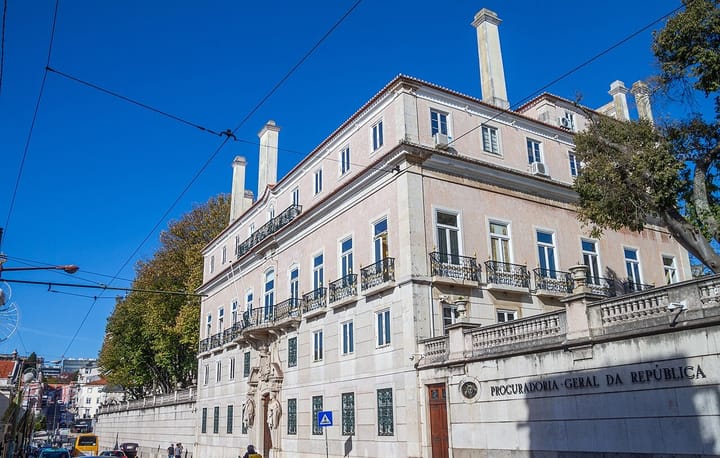
Within hours of Neves taking office, the government signalled its intention to ask the Attorney General to create special investigative teams focused on illegal immigration and human trafficking. The announcement, reported by Lusa and several Portuguese outlets, represents a sharpening of rhetoric and resources in a policy area that has grown increasingly contentious.
Portugal has long positioned itself as a welcoming destination for immigrants, and the country's legal immigration framework — including the now-reformed golden visa programme and various residence permit pathways — has attracted hundreds of thousands of new residents in recent years. But the government appears to be drawing a sharper line between legal and illegal immigration, responding to public concern about exploitation networks that profit from irregular entry.
Context and Consequences
The shift comes at a sensitive moment. Portugal's foreign-born population has grown substantially over the past five years, driven by labour shortages in construction, hospitality, and agriculture. Many of these workers arrived through legal channels but encountered bureaucratic delays that left them in administrative limbo — technically irregular through no fault of their own. Immigration rights organisations have warned that a crackdown on illegal immigration risks catching legitimate applicants in its net, particularly those from Portuguese-speaking African nations and South Asia who face the longest processing times.
For the broader community of legal immigrants and expats in Portugal, the appointment of a law enforcement veteran to the Interior Ministry is worth watching closely. Neves inherits a ministry responsible not only for immigration policy but also for civil protection — a domain that has been under intense scrutiny since the storm disasters. How he balances the enforcement mandate with the bureaucratic reform the immigration system desperately needs will define his tenure.
The opposition has offered cautious support. The Socialist Party acknowledged Neves' professional credentials while warning against "securitising" what is fundamentally a labour market and demographic challenge. The next test will come when the special investigation teams are formally constituted and their scope becomes clear.