Mortgage Lending Surges to 20-Year High as Portugal's Housing Boom Accelerates
Mortgage lending in Portugal grew at its fastest annual rate in two decades in January, new data from the Bank of Portugal revealed on Thursday, underscoring the intensity of demand in a housing market that shows no signs of cooling. Home loans...

Mortgage lending in Portugal grew at its fastest annual rate in two decades in January, new data from the Bank of Portugal revealed on Thursday, underscoring the intensity of demand in a housing market that shows no signs of cooling.
Home loans expanded by 10.4 per cent year-on-year in January, the strongest growth since February 2006. The total stock of outstanding housing credit reached 111.7 billion euros, an increase of 803 million euros in a single month from December.
The broader picture is equally striking. Total lending to individuals rose 9.8 per cent -- the highest since February 2008 -- while consumer credit climbed 7.9 per cent and corporate lending grew 3.7 per cent.
A Market Running Hot
The acceleration extends a trend that has been building since January 2024, when mortgage growth first began picking up pace after the sharp interest rate hikes of 2022-2023. With the European Central Bank having eased rates through the second half of 2025, borrowing conditions have improved considerably, unleashing pent-up demand from buyers who had been priced out during the tightening cycle.
At the same time, deposit growth is slowing. Since peaking at 8.1 per cent in October 2024, the annual rate of deposit increases has roughly halved, suggesting that Portuguese households are redirecting savings toward property purchases rather than leaving money in bank accounts offering diminishing returns.
Supply Remains the Bottleneck
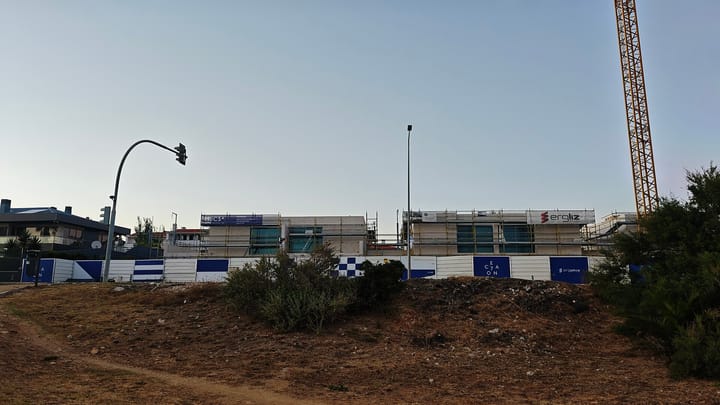
The lending surge is arriving into a market where supply constraints remain acute. Construction activity, while recovering, has not kept pace with demand, particularly in Lisbon and Porto. The storm damage from earlier this year has further complicated the picture, diverting construction resources toward emergency repairs and reconstruction.
For anyone navigating the Portuguese property market -- whether long-term residents, recent arrivals, or those considering a move -- the data points to continued upward pressure on prices. The combination of strong credit growth, limited new housing stock, and ongoing international interest in Portuguese real estate suggests that affordability challenges will persist well into 2026.
Notably, Lisbon's recent decision to issue zero new local accommodation licences after cancelling inactive registrations may ease some pressure in the rental market over time, but the structural shortage of housing for permanent residents remains the defining feature of the market.
The Bank of Portugal will be watching these figures closely. While the institution has not signalled concern about financial stability risks from mortgage lending, a sustained acceleration at this pace could eventually prompt macroprudential scrutiny.