Maria Lúcia Amaral Tells RTP Antena 1 Podcast That Wildfires and Tempestade Kristin 'Escaped' Her — Former MAI Minister Frames Her 10 February Resignation Around the Loss of Authority on Civil Protection
Former Interior Minister Maria Lúcia Amaral, in her first post-resignation interview on RTP Antena 1's Ponto de Interrogação podcast aired 9 June, says she stepped down after losing the authority to govern when the 2025 wildfires and Tempestade Kristin 'escaped' her.
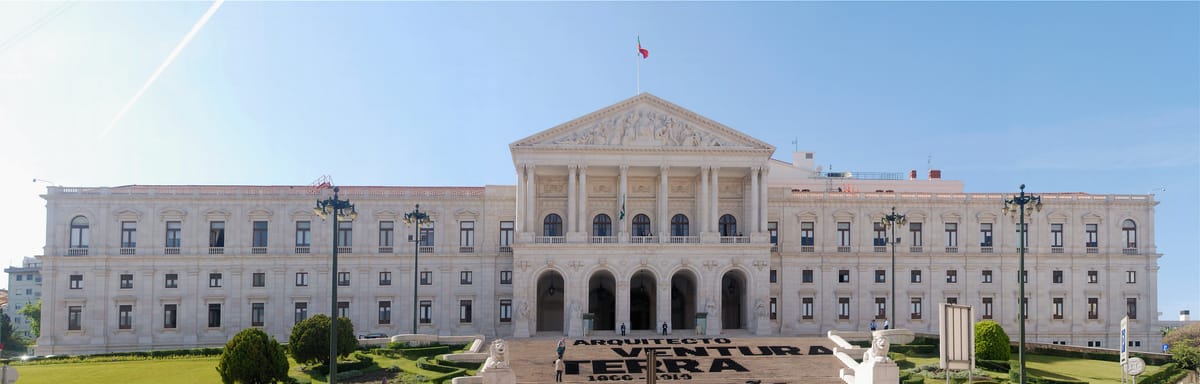
Former Minister of Internal Administration Maria Lúcia Amaral gave her first sit-down interview since her 10 February 2026 resignation to the RTP Antena 1 podcast Ponto de Interrogação (Question Mark), aired on Tuesday 9 June. The headline admission: the 2025 wildfire season and the late-January 2026 storm Tempestade Kristin (Storm Kristin) had "escaped" her — a recognition that her ministerial grip on civil protection had failed and that she had warned the Prime Minister she would not stay in office without authority to govern.
The Resignation Framing
Lúcia Amaral resigned on 10 February 2026, eight months after taking the Ministério da Administração Interna (MAI, Ministry of Internal Administration) at the start of the Montenegro II government. In the RTP podcast she said: "I had warned, right from the start, that I would not continue if I felt I no longer had authority. That was the case." She declined to detail any single trigger but pointed to the cumulative loss of grip across two civil-protection crises that defined her short mandate.
The Two Crises That Defined the Eight Months
- 2025 wildfire season: Portugal logged its worst summer in burnt area since 2017, with the fire-suppression machinery overrun across multiple Centro and Norte concelhos. Lúcia Amaral's public communication during the August peak — including the "vamos embora" remark from a press encounter, and the "pifou" (broke down) characterisation of operational equipment failures — drew sustained criticism from oposição parties and from the operational firefighting unions.
- Tempestade Kristin (late January 2026): the depressão (storm system) tracked across northwest Portugal with damaging winds and flooding, exposing gaps in the civil-protection alert chain. Public criticism in the days that followed centred on warning-cascade delays and on the handoff between IPMA (Instituto Português do Mar e da Atmosfera — Portuguese Sea and Atmosphere Institute) and Autoridade Nacional de Emergência e Proteção Civil (ANEPC).
What Happened to the MAI Portfolio
Prime Minister Luís Montenegro absorbed the MAI portfolio personally on 10 February rather than naming a replacement minister, an unusual configuration that has persisted into the summer. The decision parked the portfolio politically inside São Bento and signalled that the government wanted to avoid a confirmation hearing for a new minister during the labour-reform negotiation window.
Why This Interview Lands Now
The interview airs at the start of the 2026 wildfire season — IPMA's extended outlook signals above-normal temperatures every week of June across the mainland with deviations of +0.5 °C to +6 °C, and meteorologists have flagged the early-summer combination of abnormal biomass loads from winter storms with stronger-than-usual northerly winds. Whatever Lúcia Amaral now says about losing grip lands directly into the political read on Montenegro's personal handling of the MAI brief through a fire season that the government will be judged on.
What This Means for Expats
- Residents in fire-risk concelhos (Centro and Norte interior): the political backdrop is a government that is on its second handling-pattern at MAI inside 18 months. Operational firefighting capacity is unchanged in the short term, but coordination — the area where Lúcia Amaral's tenure was attacked — remains the open question. Sign up to the ANEPC SMS alert service for your concelho and check the Sistema de Apoio à Decisão Operacional (SADO) maps daily during the fire-risk season.
- Civic-trust observers: rare on-the-record post-mortems from recently fallen ministers are unusual in Portuguese political culture. The Lúcia Amaral framing — "authority lost", rather than scandal or coalition mathematics — is a structural data point for how Montenegro II manages ministerial accountability.
- Political watchers: with the Prime Minister still personally holding MAI, any meaningful operational failure during summer 2026 lands on him directly, not on a junior minister. The fire-season political risk is therefore concentrated rather than distributed.
The full hour-long episode is on the RTP Play and Antena 1 podcast feeds. The next political checkpoint for the MAI portfolio is the late-June Conselho de Ministros report on civil-protection preparedness — and, operationally, the first concelhos to log maximum-fire-risk classifications under the new season.