Livre and Bloco de Esquerda File Parallel PSU Alternatives Stripping the Trabalho Social Clause and Pegging the Reference to the Limiar de Pobreza Rather Than the €537.13 IAS — €620 Million PRR Tranche on the End-August Clock
Livre and the Bloco de Esquerda tabled separate alternative texts to the Government's Prestação Social Única (Unified Social Benefit, PSU) at the Assembleia da República (Parliament) on Monday 8 June, with both parties stripping out the trabalho...
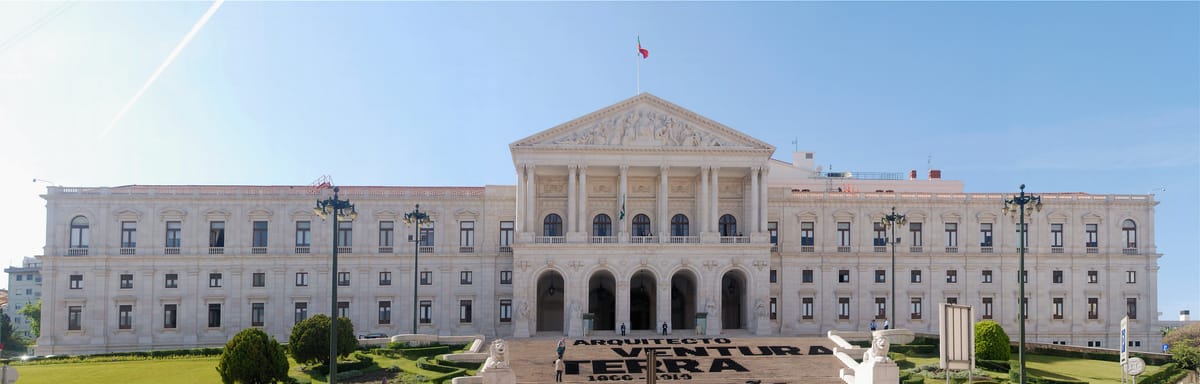
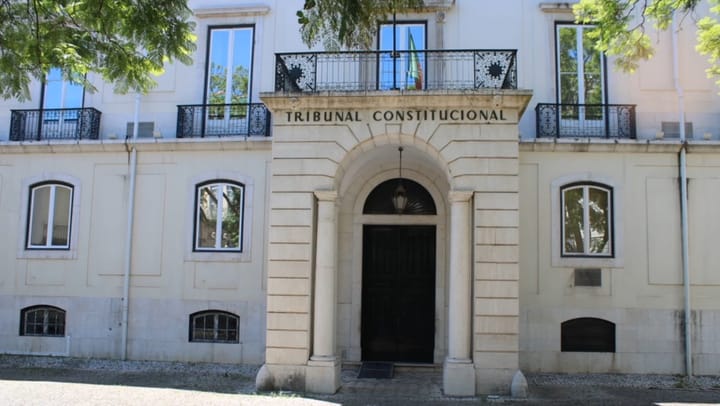
Livre and the Bloco de Esquerda tabled separate alternative texts to the Government's Prestação Social Única (Unified Social Benefit, PSU) at the Assembleia da República (Parliament) on Monday 8 June, with both parties stripping out the trabalho social (social work) requirement and pegging the reference value to the limiar de pobreza (poverty threshold) rather than the €537.13 Indexante dos Apoios Sociais (Social Support Index, IAS) the Government's draft uses. The plenário (plenary) discussion lands as Prime Minister Luís Montenegro must move the bill through generalidade before the end-August deadline that unlocks the €620 million Plano de Recuperação e Resiliência (Recovery and Resilience Plan, PRR) tranche tied to the reform.
The trabalho social clause is the substantive fault line. The Government's draft conditions PSU access on beneficiary acceptance of "actividades de solidariedade social" (social solidarity activities), a workfare-style screen that Labour Minister Maria do Rosário Palma Ramalho framed as an anti-fraud mechanism with a parallel reporting channel for abusive use. Livre and the Bloco call that clause "socialmente indesejável" (socially undesirable) — arguing it inverts the relationship between right and obligation that Article 63 of the Constituição da República Portuguesa (Constitution of the Portuguese Republic) anchors as an unconditional social-security right.
The reference-value swap is the fiscal lever. The current IAS reference (€537.13 in 2026) is a budget-controlled aggregate updated by ministerial portaria; the limiar de pobreza is a relative measure pinned to 60% of median equivalised disposable income, published by the Instituto Nacional de Estatística (Statistics Portugal, INE) and currently sitting near €636 per month for a single-adult household based on the 2025 EU-SILC release. Pegging the PSU to the latter — Livre's preferred design — would lift the floor by roughly €99 per beneficiary and re-couple the line item to the wider income distribution, dampening the political control the Government keeps over the line.
Chega's position runs in the opposite direction. Leader André Ventura signalled on 8 June that the party could let the bill pass generalidade only if PSD accepts a five-year contributory wall on immigrant access — turning the plenary vote into a referendum on the immigration-access perimeter rather than the workfare clause. Livre's text explicitly rejects any nationality screen, arguing for equal treatment regardless of years of contributory residence. The Bloco frames the question through Article 13 of the Constitution and the European Pillar of Social Rights.
The scheduling matters. Montenegro's 11 June labour-package meeting at São Bento was meant to clear the path through Hemiciclo arithmetic before the vote. Instead, the cumulative left and Chega filings have turned the PSU into the litmus test for whether the centre-right minority Government can hold a working majority on social reform — and whether the €620 million PRR tranche arrives in Lisbon before the August Programa de Estabilidade (Stability Programme) revision is filed in Brussels. The European Commission's June Semester verdict on Portugal's fiscal-benefits reform — limitada (limited) — sits in parallel as a reminder that PRR conditionality is not a check the box exercise.
The arithmetic: if PSU passes with the IAS reference, the line item lifts modestly within the existing benefit envelope. If it passes with the limiar-de-pobreza reference, the State takes on roughly €110-€130 million of additional annual transfer once the conversion mechanic settles, according to Bloco's own working estimates. If it passes with a five-year contributory wall on immigrant access, AIMA's 643 January-April complaint tape — 41.3% flagging residence-permit delays — gains a new line of constitutional exposure. Friday's vote, if it holds the calendar, will set which of those tracks Portugal walks.