Lisbon Named World's Most Colourful City — Porto Takes Third as Portugal Dominates Global Ranking
Lisbon has been crowned the most colourful city on earth, according to a study published this week by Irish travel insurance specialists JustCover. The ranking analysed image data from 78 major cities worldwide, quantifying the number of distinct...
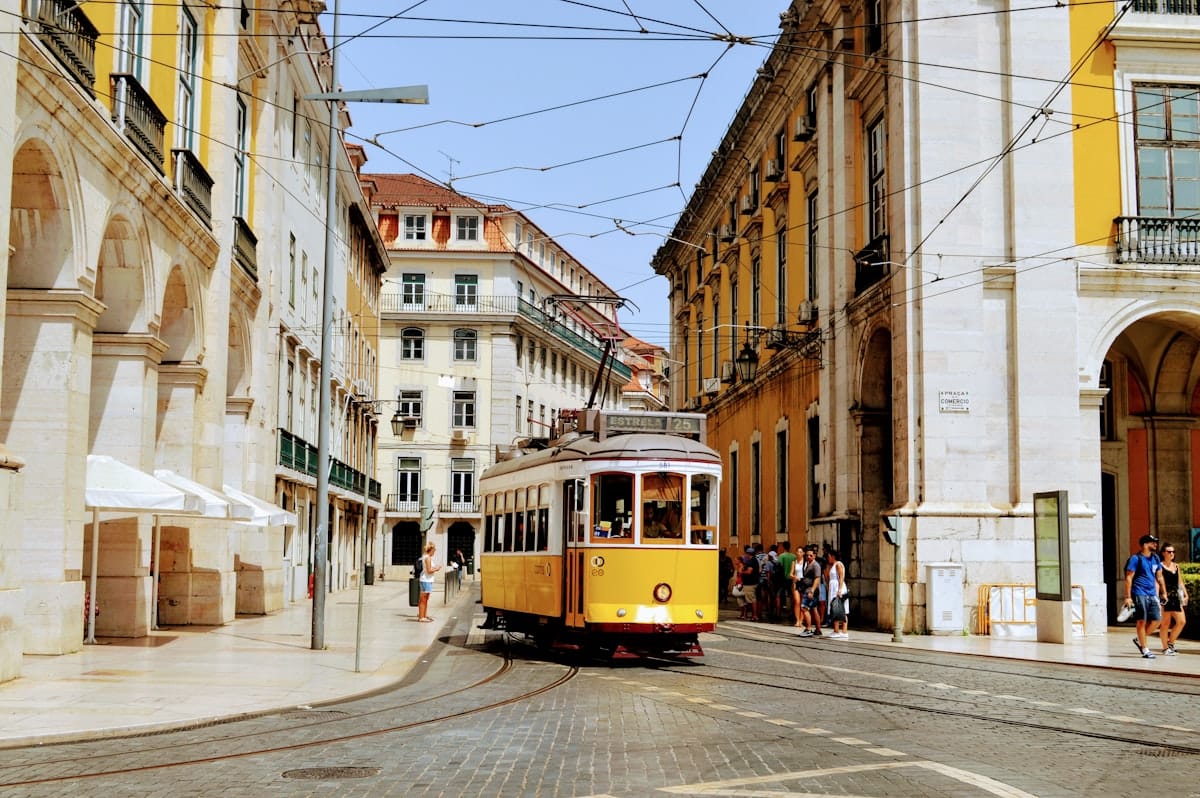
Lisbon has been crowned the most colourful city on earth, according to a study published this week by Irish travel insurance specialists JustCover. The ranking analysed image data from 78 major cities worldwide, quantifying the number of distinct colours present in official photographs taken in natural daylight.
The Portuguese capital recorded more than 2.6 million unique colours across its streets, buildings, rooftops and urban landscapes, earning a perfect vibrancy score of 100 out of 100. Kuala Lumpur in Malaysia came second, while Porto — Portugal's second city — secured third place with a vibrancy score of 91.6.
The result makes Portugal the only country in the world with two cities in the global top three.
What Makes Lisbon So Colourful
Anyone who has walked through Alfama, Mouraria or Graça will recognise the palette that earned Lisbon the top spot. The city's signature azulejo tiles — hand-painted ceramic panels that cover entire building facades — create shifting mosaics of blue, yellow, green and white that change with the light throughout the day.
Pastel-toned townhouses in shades of terracotta, salmon, ochre and mint line the narrow streets, while the iconic yellow Tram 28 threads through the historic centre. The Tagus River, visible from dozens of miradouros across the city, adds a broad band of reflected light to every panoramic view.
The study noted that Lisbon's visual richness comes not from any single landmark but from the cumulative effect of centuries of layered architecture, from Moorish-era street plans to Pombaline reconstruction to twentieth-century Art Deco detailing.
Porto's Case for Colour
Porto's third-place finish will surprise few visitors. The Ribeira waterfront, a UNESCO World Heritage Site, presents a wall of narrow townhouses painted in every colour from deep burgundy to canary yellow. The city's own azulejo tradition — visible on churches such as the Capela das Almas and the São Bento railway station — rivals Lisbon's in scale and artistry.
Porto's Douro River gorge, spanned by the iron arches of the Dom Luís I Bridge, adds dramatic contrast between the dark water, terracotta rooftops and blue sky that has made the city one of Europe's most photographed destinations.
What It Means for Tourism
The ranking arrives as Portugal enters its busiest tourism season. Lisbon Airport handled a record 34.3 million passengers in 2025, and the summer 2026 season is expected to surpass that figure. Porto's Francisco Sá Carneiro Airport added 21 new routes for this summer, including Delta's first New York service.
The colourful-city accolade is likely to reinforce Portugal's position as a top destination for social-media-driven travellers. Instagram and TikTok content featuring Lisbon's tiles and trams already generates billions of impressions annually, and the JustCover study gives tourism boards a concrete data point to cite in marketing campaigns.
For residents, the ranking is a double-edged sword. The same visual charm that draws visitors has driven property prices in historic neighbourhoods to levels that many locals can no longer afford. But as a branding exercise, having two of the world's three most colourful cities in a single small country is a distinction that no amount of marketing budget could buy.
Background: See our practical 2026 guide to Santos Populares — Lisbon's Santo António, Porto's São João and the June festival calendar.