Porto's MetroBus Begins Paid Service Tomorrow — Portugal's First Hydrogen BRT After Years of Delays and a EUR 76 Million Investment
Porto's hydrogen-powered MetroBus begins paid service on 20 April after a 51-day free trial that averaged 6,000 daily passengers and scored 8.7/10 satisfaction. The EUR 76 million BRT system runs on a dedicated lane along Avenida da Boavista.
After more than five years of construction disruption along Avenida da Boavista and a free trial period that drew 6,000 daily passengers, Porto's hydrogen-powered MetroBus begins commercial operation on Sunday, 20 April. Passengers will need to tap an Andante card for the first time.
What Is the MetroBus?
The MetroBus is Portugal's first Bus Rapid Transit system — a fleet of articulated hydrogen fuel-cell buses running on a four-kilometre dedicated lane along Avenida da Boavista, connecting Casa da Música to Praça do Império in approximately 12 minutes. Each vehicle carries up to 130 passengers. Up to five buses will run on weekdays (three on weekends), with departures every 10 minutes at peak times and every 15 minutes off-peak. The service runs daily from 06:00 to 22:00.
The Route and Stops
The line has seven stations: Casa da Música, Guerra Junqueiro, Bessa, Pinheiro Manso, Serralves, João de Barros, and Praça do Império. The corridor passes the Serralves Museum and connects to the metro network at Casa da Música, making it a practical option for reaching Porto's western cultural corridor.
How Much Does It Cost?
The MetroBus is fully integrated into the Andante intermodal system — the same contactless card used on the metro, STCP buses, and CP suburban trains across the Porto Metropolitan Area. A Z2 occasional ticket costs EUR 1.40. The Andante Metropolitano monthly pass — EUR 40 for unlimited travel on all operators — also covers the MetroBus. Users should ensure their card includes zones PRT1 and PRT2.
What Changed at STCP?
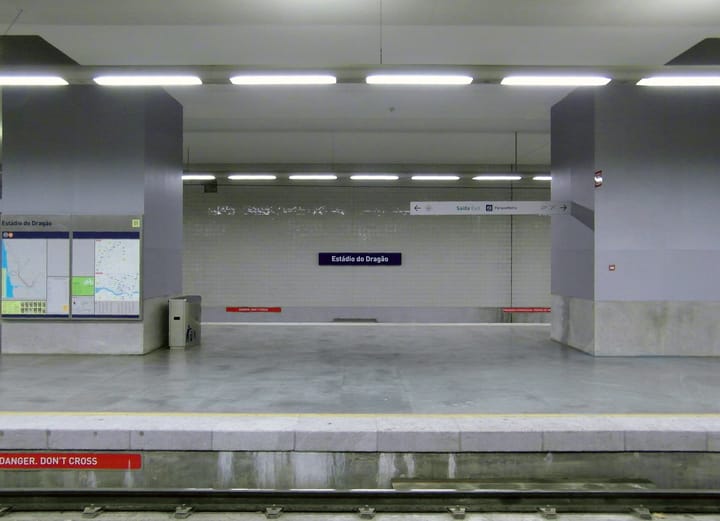
Six STCP bus lines were adjusted from 9 March to avoid duplicating the MetroBus corridor. Line 203 was shortened from its previous Marquês–Castelo do Queijo run to Estádio do Dragão–Boavista (Casa da Música). Lines 403 and 504 also saw route changes, while lines 200, 201, and 502 received frequency adjustments — notably, line 200 doubled its frequency to every 15 minutes throughout the day.
How Did the Trial Go?
The experimental phase began on 28 February and was extended twice — originally set to end 31 March, then pushed to 19 April. During 51 days of free service, Metro do Porto recorded an average of 6,000 daily trips and surveyed 3,000 passengers at stations and onboard. The satisfaction score was 8.7 out of 10.
What Did It Cost?
The total investment was EUR 76 million, funded in part by Portugal's Recovery and Resilience Plan (PRR). The fleet and hydrogen production system alone cost EUR 29.5 million. The buses are manufactured by Caetano Bus, a Portuguese company based in Vila Nova de Gaia. Metro do Porto estimates the project will generate EUR 78 million in environmental and socioeconomic benefits over its lifetime, and it targets 10 million passengers per year.
Why It Matters
The MetroBus is not just a new bus line — it is a hydrogen-powered, zero-emission transit corridor on one of Porto's most trafficked avenues. The Boavista construction project caused years of traffic chaos and criticism, but the system now delivered is a modern addition to Portugal's public transport network. Whether it reaches its ambitious ridership target will depend on reliability, frequency, and the willingness of commuters to abandon their cars on a corridor that previously had limited transit options. (Background: see our piece on the Passe Ferroviário Verde guide.)
Sources: Metro do Porto, Público, ECO, Observador, Renascença, European Commission PRR portal. On the urban-transport side of the file, Coimbra's rerouting of 26 bus lines around the metrobus sets out which lines change on 10 September, where the new interchanges are, and why the opposition voted against. On checking when the next bus actually reaches the stop, the WhatsApp channel STCP opened for real-time bus arrivals sets out the 226 158 158 number STCP now answers on, the three ways to ask (by line, by stop or by sharing your location), and the September timetable switch that ends the summer reinforcements on the beach lines. On what comes next for surface transport in eastern Lisbon, the consultation on Lisbon's 16E fast tram, and the two prices Carris quotes for it sets out the eleven-kilometre line from the Praça do Comércio to the Parque Tejo, the five route options in the environmental impact study, the tree transplants and lost parking the study concedes, and the 23 million euro gap between the two investment figures on the operator's own website.