The Porto Brief — Week of 19 April 2026
Edifício Transparente demolition sparks architectural debate, FC Porto exit Europa League, MetroBus hydrogen BRT goes commercial, Dias da Dança hits 10th anniversary, and Babell literary festival confirms Rushdie and Atwood.
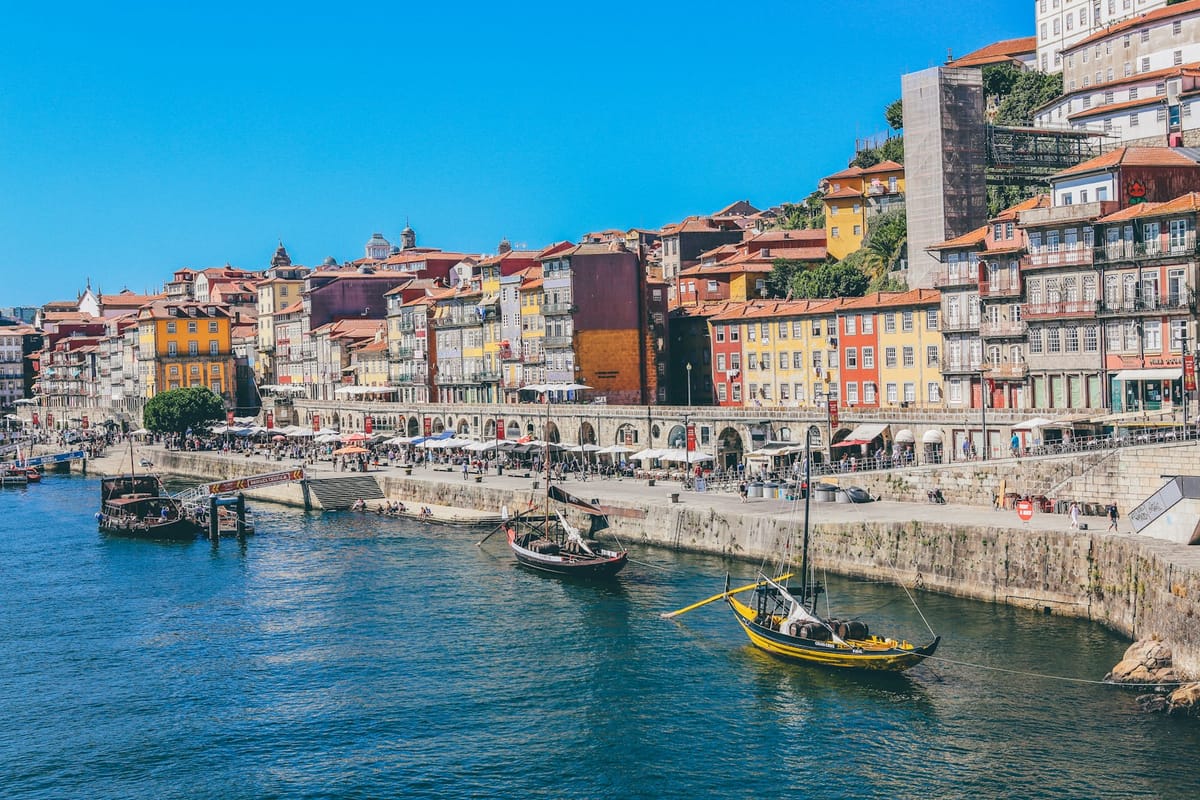
From the Edifício Transparente demolition debate to FC Porto's European exit and the launch of hydrogen-powered public transport, it has been an eventful week in the Invicta. Here is what happened in Porto.
Edifício Transparente Demolition Divides the City
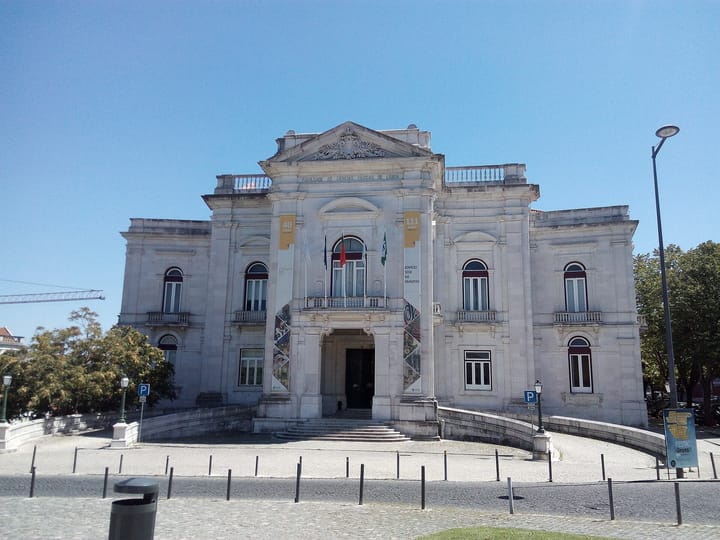
Porto's most polarising building is back in the headlines. The Environment Minister and the Portuguese Environment Agency confirmed this month that the Edifício Transparente — the concrete-and-glass structure at the junction of Parque da Cidade and the sea, built for Porto 2001 European Capital of Culture — will be partially demolished, with only the ground floor retained for beach support services.
Mayor Pedro Duarte has said he expects demolition to advance in 2027 under the Coastal Zone Ordinance Programme, which mandates removal by 2028. He has described the building as aesthetically out of place, prompting a sharp response from the Order of Architects, whose president Avelino Oliveira called the remarks "a sign of a certain provincialism." The PS opposition has demanded technical and economic justification for the decision, while the CDU has called for full transparency on costs and alternatives. Whatever side residents fall on, the debate has reignited a deeper conversation about how Porto treats its contemporary architectural heritage.
FC Porto Knocked Out of Europa League by Nottingham Forest
FC Porto's European campaign ended in disappointment on Wednesday night at the City Ground in Nottingham. A Morgan Gibbs-White goal — deflected past goalkeeper Diogo Costa — sealed a 1-0 second-leg defeat and a 2-1 aggregate loss in the quarter-finals. Porto's task was made near-impossible when defender Jan Bednarek received a straight red card in just the eighth minute, leaving the Dragões to chase the tie with ten men for more than 80 minutes.
The result means Porto miss out on what would have been only their second European semi-final in over a decade. Vitor Pereira's Forest, by contrast, reach their first continental last four since 1984 and will face Aston Villa. Porto can now focus exclusively on their Primeira Liga campaign, where they sit second behind Sporting CP.
MetroBus Begins Paid Service Tomorrow — Hydrogen BRT Goes Commercial
After a 51-day free trial that averaged around 6,000 passengers daily, Porto's MetroBus launches paid commercial service on Sunday 20 April. The hydrogen-powered Bus Rapid Transit line, which runs between Casa da Música and Praça do Império along a dedicated corridor, is Portugal's first BRT system and one of the first hydrogen-fuelled BRT operations in Europe.
The system uses twelve CaetanoBus H2.CityGold articulated buses running on dedicated lanes with traffic-light priority. Frequencies are set at ten minutes during peak hours and 15 minutes off-peak, with services running daily from 06:00 to 22:00. The EUR 76 million project — co-funded by the EU — represents a major step in Porto's decarbonisation strategy. Passengers will use the same Andante ticketing system as the Metro and STCP buses.
Dias da Dança Festival Celebrates 10th Anniversary
The Festival Internacional Dias da Dança wrapped up its 10th-anniversary edition this weekend after 12 days of programming across Porto, Matosinhos, and Vila Nova de Gaia. The milestone edition featured 50 performances at 15 venues — including Teatro Rivoli, Coliseu Porto Ageas, Serralves, and the Mercado do Bolhão — with 13 world premieres and five national premieres.
Highlights included site-specific performances along Foz do Douro's oceanfront, an immersive show in the Silo Auto car park, and DDD PRO workshops at Balleteatro with international guest artists. The festival, which has grown from a modest local initiative into one of Portugal's most important contemporary dance events, drew audiences across genres from capoeira fusion to Japan's Toshiko Oiwa company.
Babell Literary Festival Takes Shape for June
Porto's new international literary festival continues to build momentum. This week organisers confirmed the full headline lineup for Babell, which runs from 24 to 30 June across the city's streets, squares, and cultural venues. The programme features Nobel laureate Olga Tokarczuk alongside Salman Rushdie, Margaret Atwood, Byung-Chul Han, Julian Barnes, László Krasznahorkai, and Brazil's Conceição Evaristo.
Promoted by the Livraria Lello Foundation, Babell is using a unique access model: admission to all events is granted through the purchase of a book from any bookshop or antiquarian bookseller in the city. The approach is designed to support Porto's independent bookshop network while positioning the city as a literary destination. It is the most ambitious literary programme Porto has hosted since its year as European Capital of Culture.
Freedom Day Preparations Under Way
Next Friday, 25 April, is the Dia da Liberdade — Portugal's national holiday marking 52 years since the Carnation Revolution ended nearly five decades of authoritarian rule. In Porto, the traditional gathering on Avenida dos Aliados is expected to draw large crowds for speeches, music, and the handing out of red carnations. Cultural institutions across the city are scheduling concerts, exhibitions, and readings exploring themes of resistance and civic participation. It is also the 50th anniversary of Portugal's first free legislative elections in 1976, which is expected to give this year's celebrations added significance.
Airport Disruptions Hit Porto Passengers
Flight disruptions on 16 and 17 April caused delays and cancellations at Porto's Francisco Sá Carneiro Airport, part of a wave of schedule disruptions that affected more than 120 passengers across Portuguese airports. Fifteen flights were cancelled on routes connecting Portugal to Spain, France, the United Kingdom, and Italy. Low-cost carriers, which operate with minimal crew and aircraft redundancy, were disproportionately affected. The disruptions coincided with broader European air-traffic control issues, including an indefinite ATC strike at Spanish airports that began on 17 April. On the trade-fair, Porto business and commercial-property side of the file, the €40 million sale of the Exponor fair complex sets the latest reference.