Lisbon Cracks the Global Top Five for Property Growth as Housing Shortage Deepens
Lisbon has climbed into the top five global markets for prime residential capital value growth, according to the latest Savills World Cities Prime Residential Index. The Portuguese capital, which ranked seventh worldwide in 2025, is now forecast to...

Lisbon has climbed into the top five global markets for prime residential capital value growth, according to the latest Savills World Cities Prime Residential Index. The Portuguese capital, which ranked seventh worldwide in 2025, is now forecast to deliver growth of between four and six percent in 2026, far above the global average of 1.3 percent. It outpaces traditional European luxury hubs including Geneva, Monaco, and Paris.
The numbers look impressive on paper. For anyone trying to buy a home in Lisbon at a normal salary, they tell a rather different story.
The Supply Problem
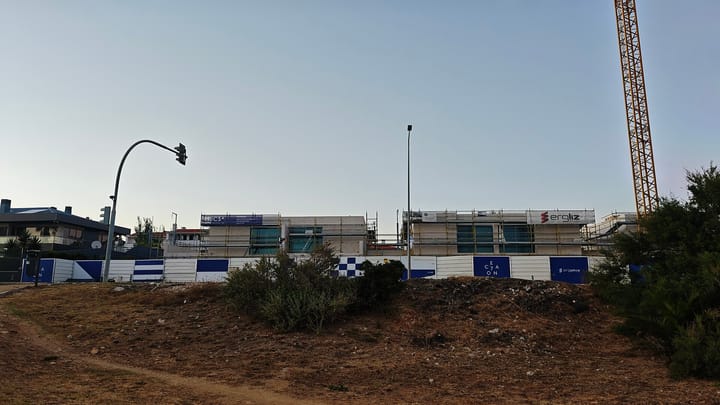
Portugal's housing market is caught between booming international demand and a construction sector that cannot keep pace. The Portuguese Association of Property Developers and Investors (APPII) warned parliament last week that the country faces a shortfall of approximately 300,000 homes accumulated over the past decade. To close the gap, annual housing output would need to triple, from roughly 20,000 homes to at least 70,000 by 2029.
The bottleneck begins with licensing. APPII CEO Manuel Maria Goncalves estimates that each year of delay in the approval process adds around 500 euros per square metre to the final cost of a home. For a 75-square-metre apartment, that translates to an extra 37,500 euros per year of bureaucratic delay. Over the past three years, more than 50,000 homes were licensed but never built because the economics no longer worked by the time permits came through.
"Without sufficient supply, it is impossible to build homes at prices that Portuguese families can afford," said Hugo Santos Ferreira, APPII president. "Developers build the homes, not the State, so collaboration is key."
Two Markets in One City
The disconnect between Lisbon's prime property market and its affordable housing crisis reflects a broader tension. International buyers, drawn by lifestyle, climate, relative affordability compared to London or Paris, and strong rental yields averaging 6.9 percent, are competing for limited stock in desirable neighbourhoods. Developers are responding with luxury launches. Kronos Homes recently unveiled a 150-million-euro mixed-use scheme in Parque das Nacoes and a resort-style development at Belas Clube de Campo.
Meanwhile, Portuguese families on median incomes find themselves priced out of the capital. The JLL report on Portugal's real estate development confirms analyst consensus pointing toward five to seven percent annual price appreciation through 2026, with Greater Lisbon and Porto maintaining premiums due to infrastructure investment and sustained foreign buyer demand.
The Policy Response
The government has taken some steps, including measures to fast-track licensing and incentivise construction. But the APPII argues that legislative stability is as important as any individual policy. Developers, investors, and banks make decisions on timelines measured in years, and frequent regulatory changes erode the confidence needed to commit capital to large-scale projects.
For the growing community of foreign residents who chose Portugal for its quality of life and relative value, the property market's trajectory presents a paradox. The same factors that made the country attractive, affordability, charm, a relaxed pace of life, are under pressure from the success of that very appeal. Those who arrived early have seen their investments appreciate handsomely. Those arriving now face a market that increasingly resembles the ones they left behind.
The challenge for policymakers is clear: find a way to build at scale without sacrificing the character that makes Portuguese cities worth living in. Whether the current government can deliver on that promise, while simultaneously navigating the Trabalho XXI labor reform and a new presidency, remains an open question.