Lei 45/2024 Tightening CGA Reinscription Walks Into Its Fourth Tribunal Constitucional Defeat — Procurador-Geral Pushes the File Into Abstract Successive Review, Acórdão 367/2026 Sets Up a Força-Geral-e-Obrigatória Strike-Down
Lei 45/2024 tightening CGA reinscription has drawn four Tribunal Constitucional unconstitutionality rulings. The Procurador-Geral filed for abstract successive review after the third; Acórdão 367/2026 of 21 April sets up a strike-down with força geral e obrigatória.
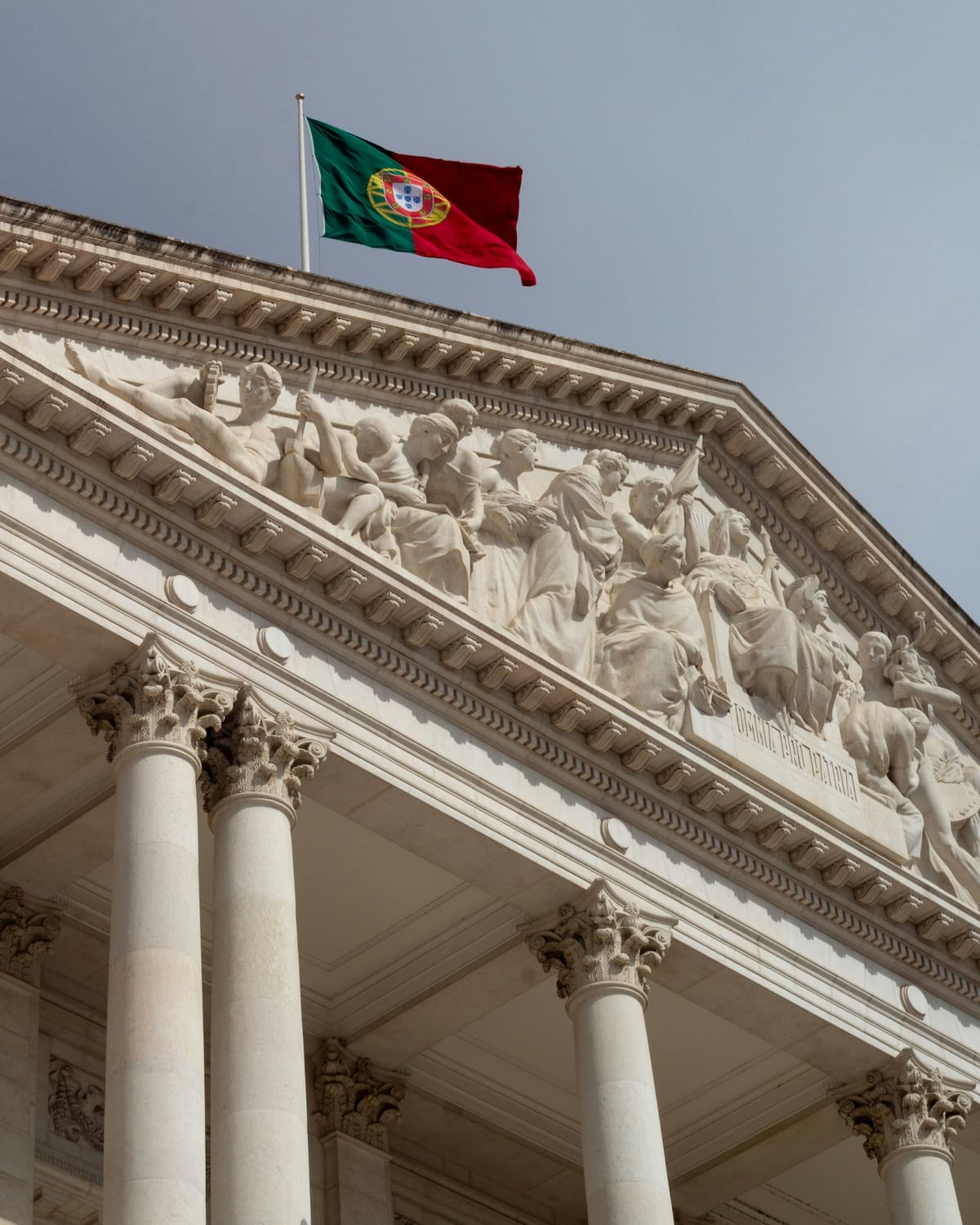
Lei n.º 45/2024 of 27 December — the first Montenegro government's law tightening the rules on public-sector reinscription into the Caixa Geral de Aposentações (CGA) — has now drawn its fourth Tribunal Constitucional unconstitutionality ruling, and the Procurador-Geral da República is pushing the file into the abstract-successive-review track that could deliver a strike-down with força geral e obrigatória. The latest decision, Acórdão 367/2026 of 21 April 2026, repeats the protecção da confiança grounding under Article 2 of the Constitution that has run through every prior ruling — and reads, on the Procurador's submission, like the file is now ripe for the kind of erga omnes review the Tribunal Constitucional reserves for laws that fail repeatedly on concrete-review.
What Lei 45/2024 Did
Lei 45/2024, published in the Diário da República at year-end 2024 and effective from 1 January 2025, rewrote the rules under which a public-sector worker whose career began before 1 January 2006 — the cut-off date when CGA closed to new subscribers under the Lei 60/2005 convergence reform — could be reinscribed in the CGA after a period of absence from the public administration. The amended Article 2.1 requires proof of continuous service or that the interruption was involuntary and time-limited; the new Article 2.2 defines what counts as involuntary in narrower terms than the prior CGA practice. The practical effect was to lock out a cohort of returning teachers, magistrates, military and Public Administration corps who had taken career breaks or moved into the private sector and now wanted back inside the CGA's more favourable regime — one that, unlike Segurança Social, still pays sick-leave benefits and computes the pension on the final-salary basis under the pre-2005 rules.
Four Rulings, Same Grounding
The Tribunal Constitucional first struck down Article 2 provisions on 26 February 2025 and again on 28 February 2025, in concrete-review actions brought by three teachers in southern judicial circuits. A third unconstitutionality ruling, Acórdão 325/2026, landed in March 2026. The fourth, Acórdão 367/2026, came on 21 April 2026. All four read the law as breaching the constitutional principle of protecção da confiança — the rule that protects citizens against retroactive changes to legal regimes on which they have relied — under Article 2 of the Constitution. The Tribunal's reporter on the latest ruling, Salomé Pinto, sets out the line that the workers' expectation of return into the CGA had crystallised before 2024 and that the new gate amounts to a substantive deprivation rather than a procedural tightening.
The Abstract-Review Path
Under Article 82 of Lei 28/82 (the Organic Law of the Tribunal Constitucional), three unfavourable rulings on the same provision unlock the right for the Public Ministry to file for fiscalização abstracta sucessiva — a review that, if granted, can strike the provision down with força geral e obrigatória across the entire legal order. The Procurador-Geral filed after the third ruling; the Tribunal Constitucional has confirmed receipt and is now sitting on the timetable. With Acórdão 367/2026 in hand and the Tribunal's own bench in transition — outgoing President José João Abrantes closes his mandate and Parliament is set to elect replacement judges before the end of May 2026 — the file is unlikely to slip past the autumn calendar.
The CGA Deficit Backdrop
For the Treasury, the political stakes are not small. The CGA deficit runs at roughly €7 billion a year, fully subsidised by the State Budget. The 2024 reinscription tightening was sold by the Montenegro government as a containment measure on that gap. If the abstract-review strikes the gate down, thousands of pre-2006 career workers regain the right to reinscribe — and the actuarial print on the CGA tab walks up before the next OE2027 frame is even written. On the Tribunal Constitucional, fiscalização preventiva, constitutional review and Loureiro / Guerra da Fonseca leadership-architecture side of the file, our 15 June read on the Plenário do Tribunal Constitucional electing João Carlos Loureiro as new President and Rui Guerra da Fonseca as Vice-President at Palácio Ratton — the 2023 cooptação pair now run the constitutional review of OE2027, the Lei da Nacionalidade revisions and the Lei 23/2026 mobility architecture sets the latest reference.