Legionella Detected at AIMA Headquarters — 300 Workers Potentially Exposed as Immigration Agency Faces Another Operational Crisis
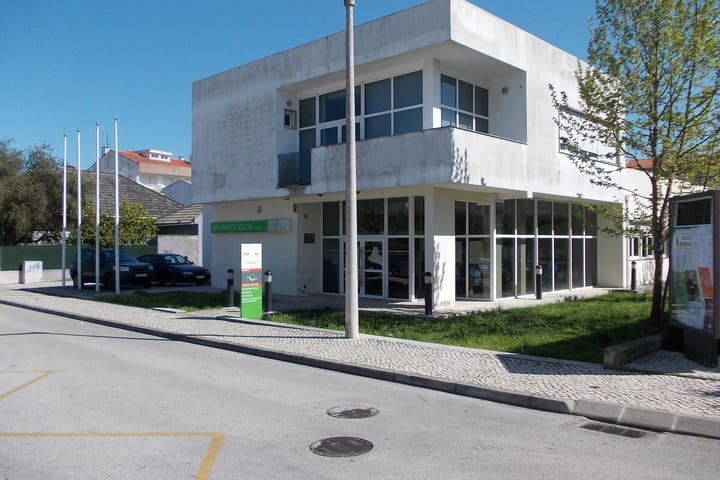
Legionella bacteria has been detected in a cooling tower at the Taguspark building in Oeiras that houses the Immigration Agency (AIMA), the National Road Safety Authority, and a critical data center supporting Portugal's security and emergency...
Legionella bacteria has been detected in a cooling tower at the Taguspark building in Oeiras that houses the Immigration Agency (AIMA), the National Road Safety Authority, and a critical data center supporting Portugal's security and emergency communications infrastructure.
The Ministry of Internal Administration confirmed Monday that a routine analysis on March 30 returned a positive result for legionella in cooling tower number 4 of the Taguspark data center. The building also hosts a 112 emergency call center and the national security network data hub, which supports most communications systems for Portuguese security and emergency forces.
Workers Sent Home as Inspection Underway
Workers from the National Road Safety Authority were immediately ordered to work from home following the detection, though AIMA staff — whose offices are further from the contamination source — were not evacuated. Union leader Artur Girão of the AIMA Workers' Union estimates around 300 people work in the building.
"It's an alert for the need to invest in maintenance services," Girão told Público. "Fortunately AIMA workers weren't exposed to anything. But 300 people work in that building. We need to prevent this, or one day there will be a tragedy."
The ministry said corrective measures have been implemented immediately, including increased chemical treatment with anti-legionella agents. A team of experts from the Directorate-General of Health is conducting an on-site inspection, with a report expected to guide further action.
So far, no evacuation has been ordered and there is no mandatory use of personal protective equipment. The ministry said it does not yet know if anyone has fallen ill from exposure.
What Is Legionella and Why Does It Matter?
Legionella is a bacterium that causes a severe form of pneumonia known as Legionnaires' disease, which can be fatal if not diagnosed and treated promptly. Transmission occurs through inhalation of contaminated water droplets suspended in air — commonly from cooling towers, air conditioning systems, or poorly maintained water infrastructure.
The bacteria thrives in warm water systems between 20°C and 45°C, making cooling towers a classic risk environment. Outbreaks have been linked to hotels, hospitals, and large buildings with centralized water and cooling systems.
For foreign residents navigating Portugal's immigration bureaucracy — many of whom have spent months or even years in prolonged contact with AIMA facilities — the detection raises uncomfortable questions about building safety standards at a moment when the agency is already under intense scrutiny for backlog clearances and operational failures.
AIMA's Ongoing Infrastructure Struggles
This incident adds another layer to AIMA's troubled operational reputation. The agency has faced sustained criticism over visa processing delays, document backlogs, and chaotic appointment systems that have left tens of thousands of immigrants in bureaucratic limbo.
While Monday's legionella detection was contained to a specific cooling tower and did not directly affect AIMA's client-facing services, it underscores broader maintenance and infrastructure concerns in government facilities. Union representatives have repeatedly called for increased investment in building upkeep and occupational safety standards.
The fact that the contaminated building also houses Portugal's national security data center — which supports police, emergency services, and the 112 call system — amplifies the stakes. Any prolonged disruption to that facility could have cascading effects on public safety infrastructure.
What Happens Next?
The ministry is awaiting the Directorate-General of Health's inspection report before deciding on additional measures. Current protocols include:
- Enhanced chemical treatment of the affected cooling tower
- Ongoing technical assessment to map the distribution of cooling infrastructure
- Monitoring for potential victims (no cases reported as of Monday evening)
- Collaboration with health authorities to implement recommended safety measures
The Taguspark complex management reportedly claimed ignorance of the situation, stating the building is managed by the entities that occupy it.
For workers in the building — including AIMA staff already stretched thin by immigration processing demands — the incident is a stark reminder that operational failures extend beyond digital systems and paperwork delays. Infrastructure neglect is a silent risk that affects everyone, from frontline workers to the immigrants they serve.
No public timeline has been given for when normal operations at the affected facility will fully resume, though the ministry insists there is no immediate health threat requiring evacuation.
Related reading: MAI Clears the Backlog — Luís Neves Signs 20 PSP and GNR Expulsion Orders in His First Two Months at Palácio Foz On what the law actually requires when the bacterium turns up in a water system, our explainer on the Valongo legionella detections, which sets out who Lei 52/2018 actually obliges to test, the 48-hour reporting rule, and why a bacterium in a water system is not legally an outbreak sets the latest reference.