Kaja Kallas Sends Sofia Moreira de Sousa to Tirana and Francisco André to Brasília in the EEAS's 33-Ambassador Rotation — Two Portuguese Names Anchor the South-East Europe and Brazil Files
EU High Representative Kaja Kallas names Sofia Moreira de Sousa as EU Ambassador to Albania and Francisco André as EU Ambassador to Brazil in a 33-post EEAS rotation announced on 4 June 2026 — Moreira de Sousa moves from the Commission's Lisbon Representation, André transfers from Mexico City.
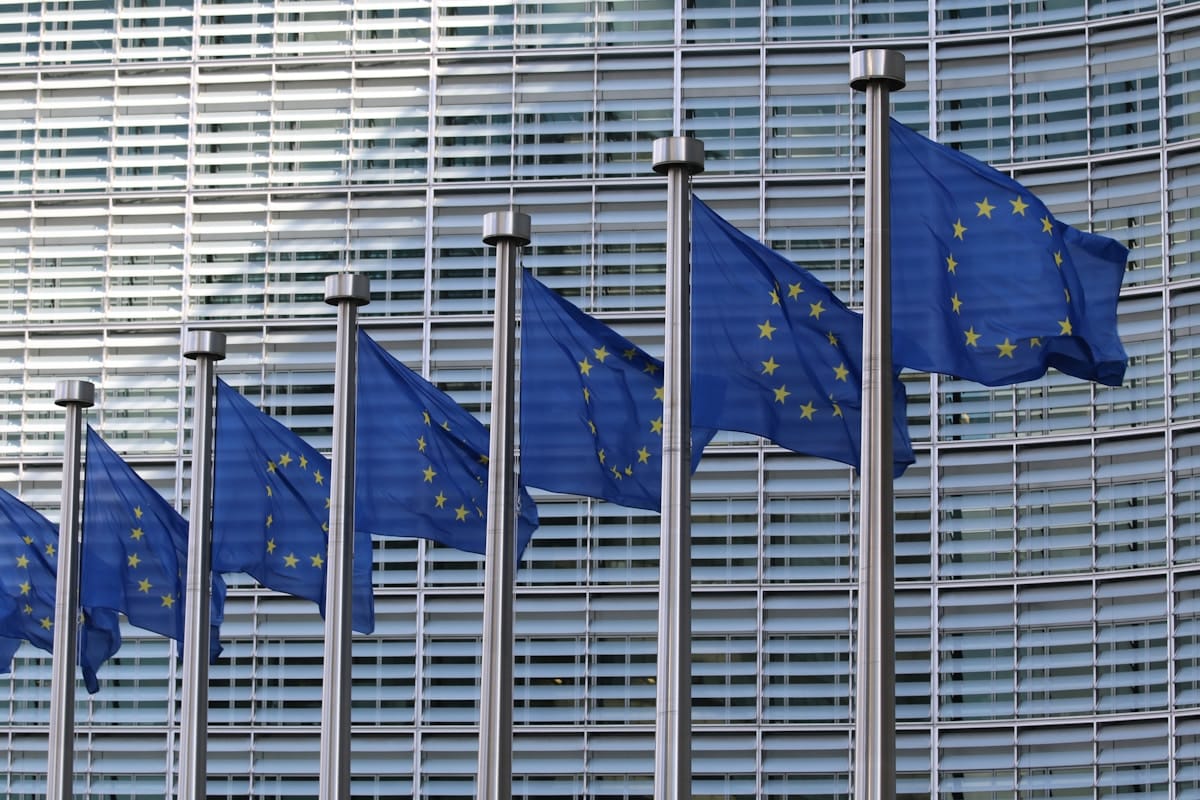
The European External Action Service (EEAS, Serviço Europeu para a Acção Externa) on Thursday 4 June 2026 routed two Portuguese names into the front rank of its third-country delegation network, with the EU's High Representative for Foreign Affairs and Security Policy, Kaja Kallas, formalising a 33-ambassador rotation that places Sofia Moreira de Sousa as Embaixadora da União Europeia em Tirana (Albania) and Francisco André as Embaixador da União Europeia em Brasília (Brazil). The package — also covering seven heads of deputy delegation and two senior leadership posts at EEAS headquarters in Brussels — was released through Kallas's office mid-morning and confirmed in parallel by Lisbon coverage in Público and RTP.
The two Portuguese postings sit at opposite ends of the EU's external-relations geography. Tirana, on the Western Balkans accession track, is one of the highest-tempo enlargement files Brussels still has open. Brasília, by contrast, anchors the EU's relationship with South America's largest economy at the exact moment the Mercosul–União Europeia trade agreement — signed in December 2024 — moves through the European ratification cycle.
Sofia Moreira de Sousa — From the Commission's Lisbon shopfront to the Western Balkans accession file
Moreira de Sousa is currently Chefe da Representação da Comissão Europeia em Portugal — the senior Commission representative in Lisbon, fronting the Berlaymont's domestic communications, press, and political-section work in the Portuguese capital. She arrived at the Commission's Lisbon Representation after a previous tour as Embaixadora da União Europeia em Cabo Verde, the Sahel-adjacent delegation that handles EU-CEDEAO relations alongside the lusophone development envelope.
The Tirana brief she inherits is dense. Albania remains in the early-chapter phase of EU accession negotiations after the Council finally split the country's track from North Macedonia's in 2022. The Commission's October 2025 Enlargement Package described Tirana as one of the candidates running ahead of expectations on Cluster 1 fundamentals — rule of law, judicial reform, anti-corruption — while flagging continued gaps on media freedom and organised-crime prosecutions. The EEAS delegation in Tirana is the operational lead on the chapter-by-chapter screening dialogue with the Albanian government, alongside the Commission's DG NEAR.
Moreira de Sousa replaces an EEAS rotation slot that has historically been used to position diplomats with both Commission-side communications experience and prior third-country posting experience — exactly her CV.
Francisco André — Costa government foreign-affairs veteran rotates Mexico City to Brasília
Francisco André's posting to Brazil is the more politically loaded of the two, and the more straightforward in seniority terms. André was Secretário de Estado dos Negócios Estrangeiros e da Cooperação (Secretary of State for Foreign Affairs and Cooperation) under António Costa, holding the dossier through the lusophone-cooperation arc that ran from the 2019 CPLP cycle into the Africa-focused envelope of the post-pandemic period. He moved into the EEAS in the prior rotation as Embaixador da União Europeia no México (EU Ambassador to Mexico), the delegation that sits across the EU's modernised Global Agreement negotiation with Mexico City.
The Brasília move puts André directly on the EU-Brazil bilateral and EU-Mercosul tracks at the moment that matters most for the trade agreement's ratification window. The Commission split the EU-Mercosur Partnership Agreement in March 2025 into a stand-alone trade pillar (qualified-majority Council vote, plus European Parliament consent) and a separate political-and-cooperation pillar requiring mixed ratification. The trade pillar is currently inside the legal-scrubbing and translation phase the EEAS coordinates with the Council Working Party on Latin America — the workflow the Brasília delegation handles on the Brazilian counterpart side.
The Kallas rotation — 33 ambassadors and seven deputies at one drop
Kallas's office framed the rotation in a written statement issued through the EEAS press service: "As 145 delegações da UE representam a face da União em todo o mundo" ("The EU's 145 delegations represent the Union's face across the world"). The 33-ambassador batch — plus seven deputy delegation heads, plus two leadership posts inside EEAS headquarters — is one of the larger single-day rotation announcements the service has issued since Kallas took over the High Representative portfolio in December 2024.
Two Portuguese names inside a 33-post round is consistent with the proportional share Lisbon has historically claimed inside the EEAS senior cadre, where Portuguese diplomats — alongside Spanish, French and Italian counterparts — have leaned into the lusophone, Mediterranean and Latin-American slots. Neither appointment requires Council vote: EEAS delegation-head postings are made by the High Representative under the EEAS Decision (2010/427/UE), in agreement with the receiving state.
Lisbon read
The Ministério dos Negócios Estrangeiros (MNE) had not, by mid-afternoon Lisbon time, issued a formal statement on the two appointments, which is normal practice — the EEAS, not the member-state foreign ministry, is the formal employer of the diplomats once posted, even though the candidates emerge through national diplomatic services. The pipeline for both names runs back through the MNE's career-diplomatic concursos and the EEAS internal selection rounds.
For Lisbon's external-policy bandwidth, the André move to Brasília is the more directly relevant. Brazil is Portugal's largest non-EU trading partner outside of the United States, and the EU-Mercosul ratification fight will dominate the Conselho de Assuntos Externos agenda through 2026-2027. Having a Portuguese-speaking former Secretary of State on the EU side of the table in Brasília — paired with the Portuguese bilateral ambassador, currently Helena Coutinho Paiva — gives Lisbon two channels into the Brazilian executive at a moment when President Lula's government has been the agreement's most vocal Mercosul-side defender.
The Moreira de Sousa move to Tirana is read differently inside the Commission's Portugal Representation, which now opens a senior-grade vacancy at the Berlaymont's Lisbon shopfront — the post that fronts the Commission's domestic-Portugal political and communications work. A successor is expected to be named under the normal Commission internal mobility procedure.
What's next
EEAS delegation-head appointments take effect on a date set in agreement with the receiving state (the agrément cycle), which typically runs 6-10 weeks from announcement to physical posting. Both Moreira de Sousa and André are expected to present credentials in Tirana and Brasília respectively during the August-September 2026 window, in line with EEAS rotation timing across the rest of the 33-post batch.
Sources: Público (4 June 2026); RTP (4 June 2026); EEAS Decision 2010/427/UE; European Commission October 2025 Enlargement Package.