IEA Tells the World to Work From Home as Oil Hits $120 -- What That Means for Portugal
The International Energy Agency issued an extraordinary set of emergency recommendations on Friday, urging governments worldwide to promote remote work, reduce highway speed limits, encourage carpooling, and discourage air travel in response to...
The International Energy Agency issued an extraordinary set of emergency recommendations on Friday, urging governments worldwide to promote remote work, reduce highway speed limits, encourage carpooling, and discourage air travel in response to spiralling oil prices driven by the Middle East conflict. For Portugal, a country where remote work culture took root during the pandemic and never fully retreated, the IEA's call lands on unusually receptive ground.
The 10-Point Plan
The IEA's report identifies 10 measures that can be implemented quickly by governments, businesses, and households. At the top of the list: a minimum three-day-per-week work-from-home policy, which the agency estimates could reduce global road transport oil consumption by up to six percent within months. Other recommendations include lowering speed limits on highways, prioritising public transport, restricting car use in major cities, and temporarily curbing non-essential air travel.
"The war in the Middle East is creating a major energy crisis, including the largest supply disruption in the history of the global oil market," the agency said. With crude prices hovering around $120 per barrel, the IEA is effectively dusting off its pandemic-era playbook and adding urgency.
Portugal's Unique Position
Portugal's digital nomad infrastructure and relatively liberal remote work culture put it in a better position than many European peers to absorb this kind of transition. The country already attracts thousands of remote workers through its D7 and digital nomad visa programmes, and co-working spaces dot Lisbon, Porto, and increasingly smaller cities. For many in the expat community, working from home is already the default.
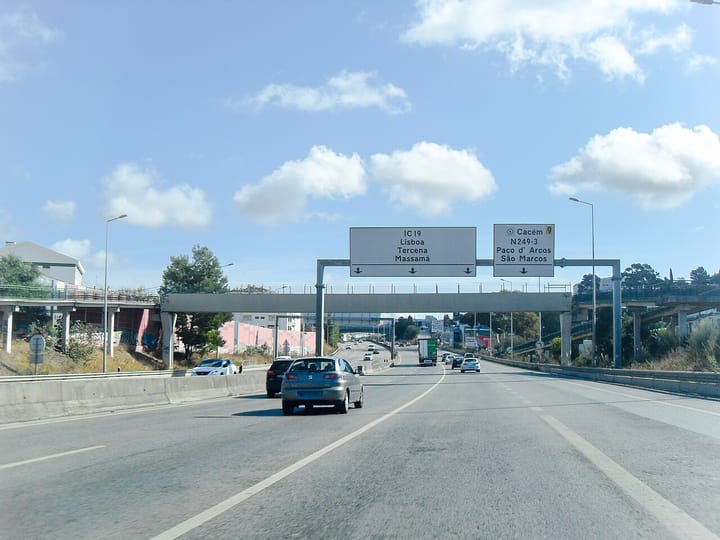
But the picture is more complex for the broader Portuguese workforce. Despite progress, many sectors -- hospitality, retail, construction, agriculture -- cannot shift online. And for commuters in the Lisbon and Porto metropolitan areas, where public transport networks are stretched and often unreliable outside the urban core, reducing car dependency requires investment that goes well beyond policy declarations.
Fuel Prices Already Biting
The IEA's recommendations come as Portugal is already in firefighting mode on fuel costs. Diesel prices have triggered the automatic tariff shield, absorbing what would have been a jump of up to 25 cents per litre. The government this week approved subsidies on bottled gas and electricity price caps. But these measures are designed as short-term buffers, not long-term solutions.
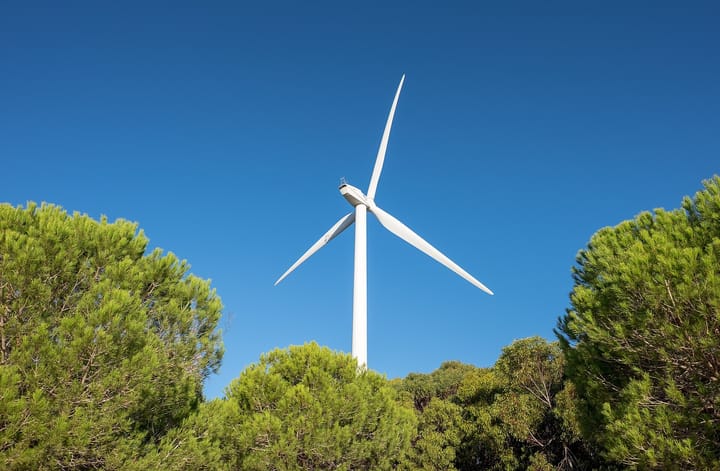
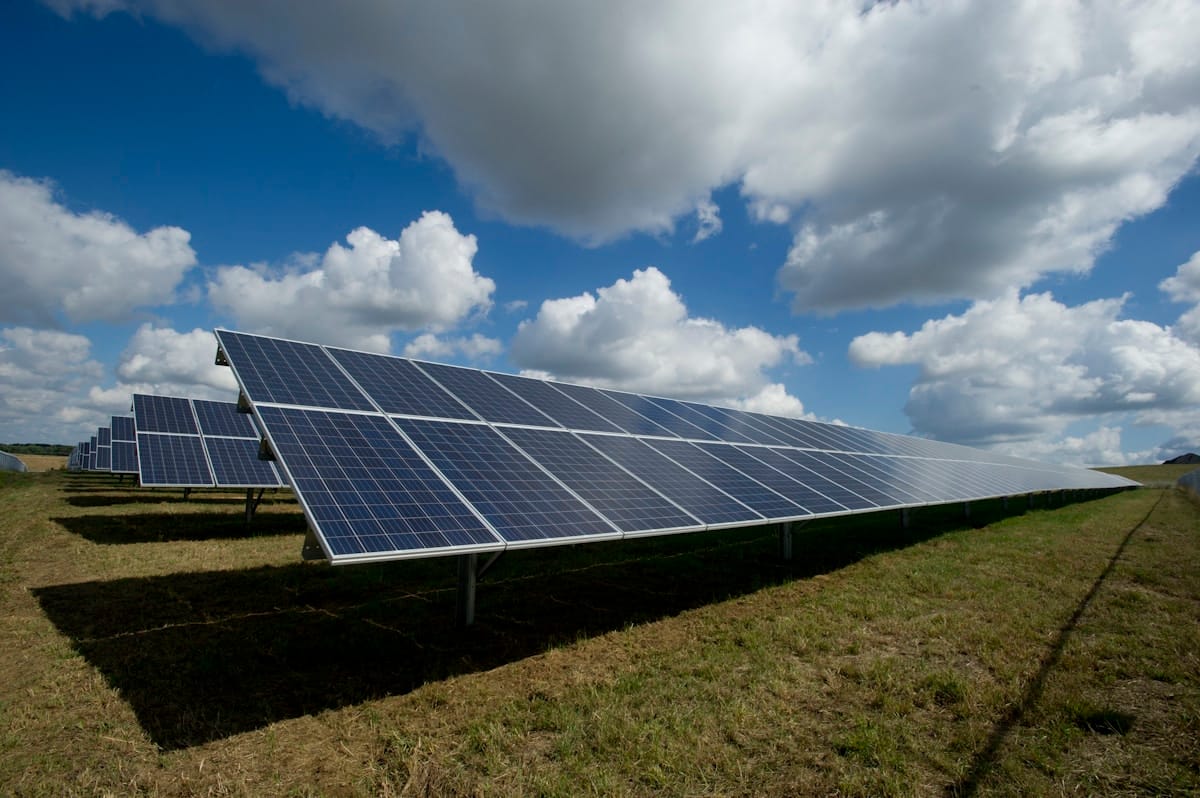
The broader question is whether the current crisis accelerates Portugal's existing energy transition or simply imposes pain on the households least able to absorb it. The country's renewable electricity generation -- wind, solar, and hydroelectric -- provides a genuine advantage, but transport remains overwhelmingly fossil-fuel dependent.
Looking Ahead
If the IEA's recommendations gain traction at the EU level, Portugal could emerge as something of a model: a country with the climate, culture, and existing infrastructure to support a work-from-home economy more comfortably than most. But that narrative only holds if the government pairs international recommendations with domestic investment in public transport, digital infrastructure outside Lisbon and Porto, and targeted support for workers who cannot log in from their kitchen tables.
For now, the IEA's guidance is advisory, not binding. But with oil at $120 and no ceasefire in sight, advisory measures have a way of becoming policy faster than anyone expects.