Hundreds of Taxi Firms Have Applied to Join Bolt Since Portugal's New Ride-Hailing Law Took Effect
A taxi working a platform trip cannot street-hail, cannot use a rank and cannot drive in the bus lane. Bolt says enforcing that is somebody else's job.
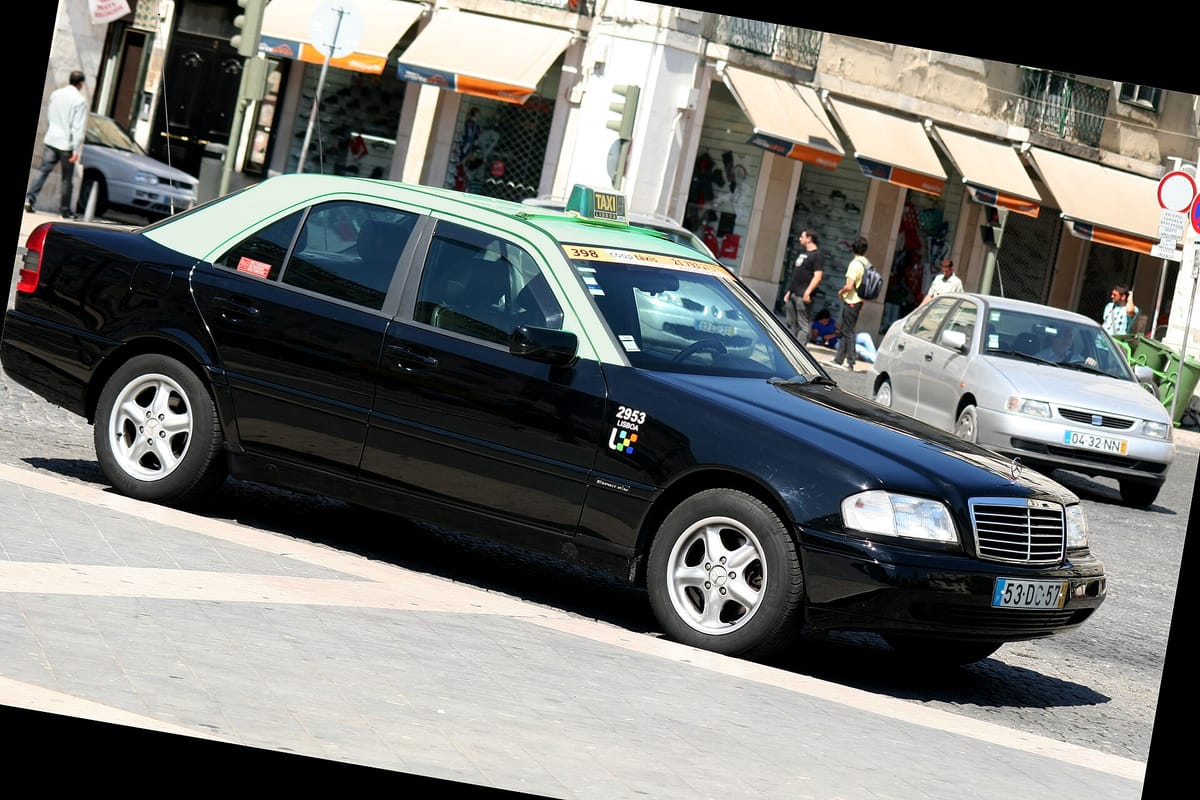
Portugal's taxi trade spent a decade fighting the ride-hailing apps in the courts, in the street and at the Constitutional Court. Since the start of this month it has been allowed to join them, and according to Bolt, hundreds of taxi firms have already asked to do exactly that.
The new ride-hailing law took effect on 1 September. Among the changes it carries is a short provision with long consequences: a company holding an alvará to operate taxis may now also operate as a TVDE operator, the licensed category that covers vehicles dispatched through apps such as Uber and Bolt, provided it goes through the licensing procedure and observes the rest of the regime.
An official source at Bolt told the business daily ECO that the platform has received "hundreds of integration requests" from taxis, most of them from taxi companies that have filed an application for a TVDE operator licence. The registrations, the company said, are concentrated "above all in the large urban centres and in the islands".
What a taxi gives up when the meter goes off
A taxi working a platform trip does not get to keep the privileges that come with the trade. For the duration of that service it may not pick up passengers hailed in the street, may not use taxi ranks, and may not drive in the bus lanes. In other words, the same vehicle switches legal identity depending on how the passenger found it.
Asked how it would police that boundary, Bolt declined the role. Its app, the company said, "already limits the collection of passengers in zones where that is not permitted or where there are safety constraints, in line with the circulation rules in force", but "enforcement of compliance with transport legislation is the responsibility of the competent authorities".
Uber would not give numbers, but an official source said the integration is close: the company "expects the integration of taxis on the platform very soon", that taxis can already begin registering through its website, and that completing the process depends on the publication of a portaria, the implementing order that has not yet appeared. Uber said it already carries taxis in more than 37 countries.
The trade is split, and says so
Carlos Silva, president of the Federação Portuguesa do Táxi, confirmed that many operators want to work with the platforms, and was candid about why the sector is divided. "There are some who do not want to, because they understand that the taxi's current situation also comes from TVDE vehicles having entered the market, working at prices we consider abnormally low," he said. "Others see that things are so bad that, if you cannot beat them, join them."
He also flagged what is still missing: regulation and clarification on procedures, and on the maximum age of vehicles. "We know that some operators intend to work with the platforms. What we do not know is when this is going to happen."
Two other changes in the same law will be felt by passengers. The 100 percent ceiling on surge pricing is gone. Bolt says cases that reached the old cap were very rare, but that "at very specific events, with thousands of people requesting trips simultaneously, the price may slightly exceed the limits previously in force". The law also allows platforms to offer an optional in-car video recording feature, for safety purposes only; Bolt says it is coming shortly, with the timetable still being set.