Hospitals That Close Their Emergency Rooms Will Forfeit Funding Under New SNS Rules
SNS hospitals whose emergency rooms close for more than 72 hours in a month will forfeit the 25% variable slice of their availability funding. Health Minister Ana Paula Martins is also trialling merged 'centralised' emergency units, starting on the Setúbal peninsula.
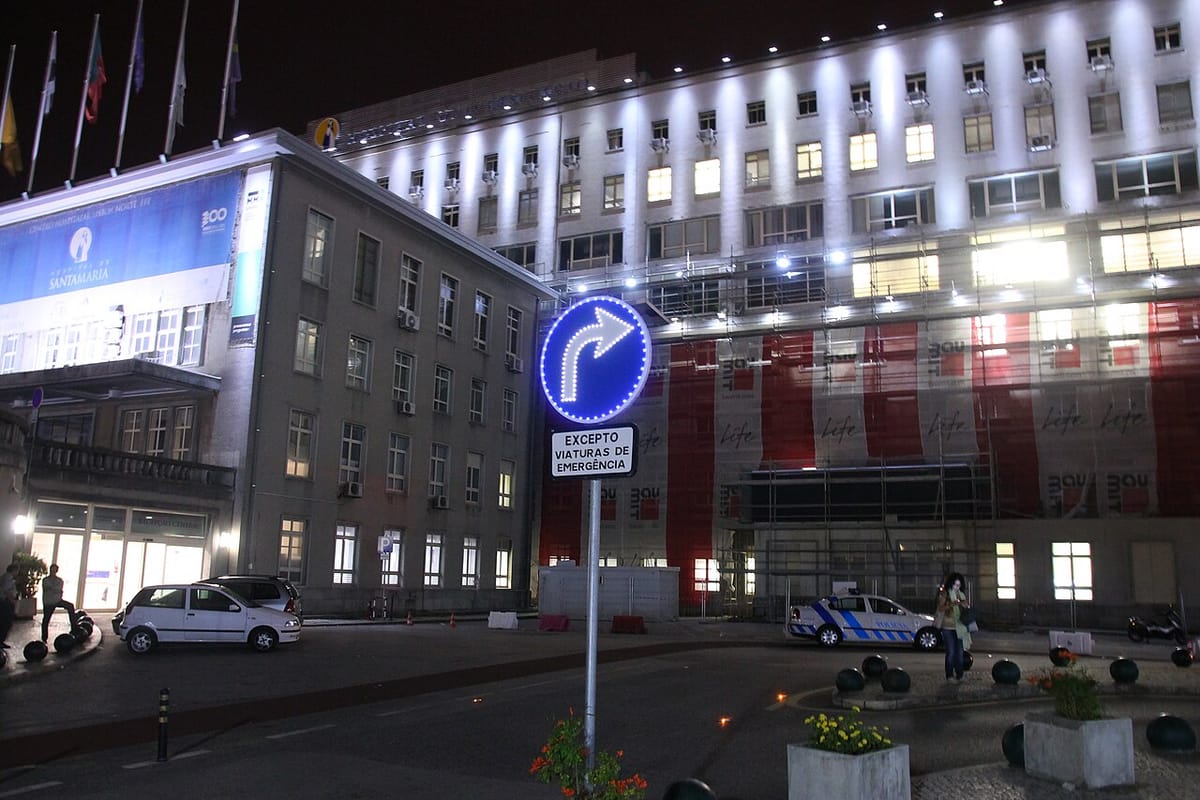
Hospitals in Portugal's Serviço Nacional de Saúde (National Health Service, or SNS) that let their emergency rooms go dark will now pay for it in their budgets. Under the terms governing how the state pays hospitals in 2026, any emergency department that closes for more than 72 hours in a single month — whether in one stretch or spread across several — will forfeit the entire variable slice of the funding it receives simply for keeping the service available.
That availability payment has been split into two parts: a fixed component worth 75% and a variable component worth 25%. The fixed portion is guaranteed, but the 25% now depends on the emergency room actually staying open. Cross the 72-hour threshold of closures in a month and the whole variable component is withheld. It is a financial stick aimed at one of the SNS's most visible and politically painful problems — the recurring, often last-minute shutdown of emergency units for lack of doctors.
Fewer, larger emergency rooms
Alongside the funding change, Health Minister Ana Paula Martins has floated a more structural fix: a regime of "centralised emergency units" that would merge two or more nearby services into a single, better-staffed one. The first is to be trialled on the Setúbal peninsula, south of Lisbon, during 2026. The logic is that concentrating scarce specialists in one reliably open unit is safer than spreading them thin across several that flicker on and off.
The minister has been blunt about the pressure behind the plan, saying it is "very difficult" to sustain the current national network of 168 hospital emergency rooms with clinical safety, given the number of doctors available. Merging services is, in effect, an admission that the existing map cannot be staffed as drawn.
The measures land in a health system already straining under the summer. Calls to the SNS 24 telephone line jumped by roughly a third in early July compared with a year earlier, many of them heat-related, and the service is absorbing demand that would otherwise pile into emergency departments. The reforms also follow a new charter for the emergency-response agency INEM and come against a backdrop of relentless cost pressure, with hospital cancer-drug bills alone tripling over a decade.
What This Means for Expats
- Emergency cover can move: If you live outside the big cities, the nearest emergency room may eventually be folded into a larger regional unit. Check which hospital is your designated emergency point before you need it, not during a crisis.
- Call SNS 24 first for non-urgent problems: The 808 24 24 24 line triages symptoms and, in summer especially, can spare you a long emergency-room wait — it now also fields English-language calls.
- Closures are still possible: The funding penalty is meant to reduce shutdowns, not guarantee they will end. Confirm a unit is open before travelling to it, particularly on weekends and holidays.
Whether penalties and mergers can succeed where years of recruitment drives have struggled is the open question. The tools are financial and organisational; the underlying shortage is of doctors and nurses willing to staff gruelling emergency shifts. The Setúbal experiment will be the first real test of whether concentrating resources produces an emergency service that is, above all, reliably there.