The Government Ties a Longer Parental Leave to Sharing It Between Both Parents
Ministers insist Portugal's extension of parental leave to 180 days at full pay should unlock only if both parents share the final 60 days — clashing with a 42,000-signature citizens' bill that would grant six months unconditionally. Fathers' mandatory leave rises to 28 days.
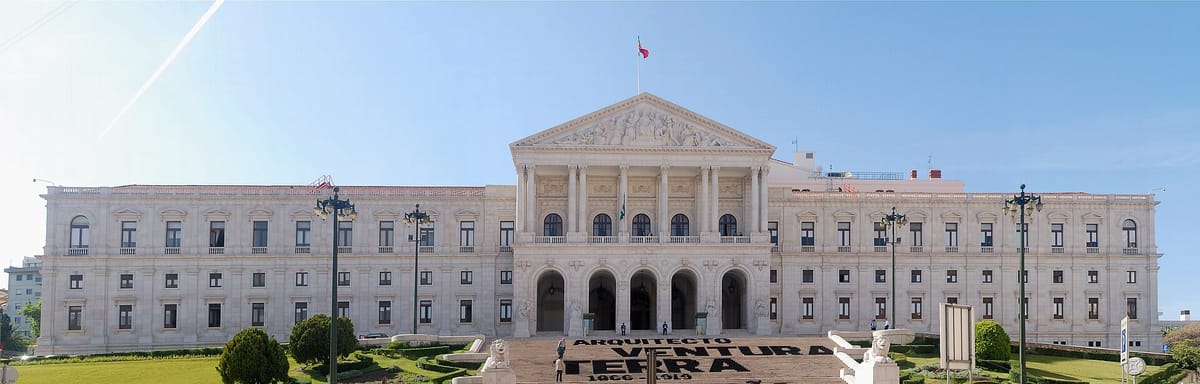
The government wants Portugal's longer parental leave to come with a string attached: fathers would have to take a share of it, or families would not get the full extension. The stance, restated by ministers on 17 July, sets the executive on a collision course with a citizens' campaign that wants six months of fully paid leave with no such condition, according to reporting by Público, ECO and RTP.
At issue is how Portugal stretches its initial parental leave (licença parental inicial) to 180 days paid at 100%. Under the government's labour-reform proposal, tabled at the end of 2025, the leave reaches that full six months only if, after a mandatory 120 days, both parents opt to take an additional 60 days in a shared arrangement. Leave it all to one parent — in practice, still almost always the mother — and the extra two months fall away.
Two rival routes to six months
Running against the government's plan is a citizens' initiative backed by more than 42,000 signatures, which Parliament approved in general terms. That text would extend paid leave to 180 days at full pay regardless of how parents divide it, treating the longer leave as an unconditional right rather than a reward for sharing. Only PSD and CDS-PP declined to support it, choosing to abstain.
The government's counter-argument is framed around gender equality in the workplace. Ministers contend that simply lengthening a leave that mothers overwhelmingly take on their own would deepen, not narrow, the penalties women face at work — from stalled careers to reluctance among employers to hire or promote women of childbearing age. As one minister put it, the extension "cannot end up conditioning women even more."
What the reform would change for fathers
Alongside the shared-leave incentive, the government's labour package reinforces the father's own mandatory leave, raising it to 28 days, of which 14 must be taken consecutively immediately after the birth. The aim is to normalise fathers taking meaningful time off from the outset, rather than a token few days, and to spread caregiving more evenly from a child's first weeks.
Supporters of mandatory sharing point to countries where reserved, "use-it-or-lose-it" leave for fathers has measurably increased take-up. Critics counter that tying the extension to both parents penalises households that cannot realistically split it — single parents, families where one parent is self-employed or out of work, or those who simply cannot afford for the higher earner to step back.
Why it matters here
For working families in Portugal, including the many foreign residents raising children here, the outcome will shape a concrete calculation: how many months a newborn can be cared for at home on full pay, and which parent has to take time off to unlock them. Parental leave is administered through Social Security (Segurança Social) and generally available to those with a qualifying contributory record, so the final design will reach any employee who has paid into the system.
With the citizens' bill and the government's proposal now heading into detailed committee work, the fight comes down to a single principle: whether Portugal's longer leave is an unconditional right for every family, or a shared duty the state is willing to reward. That question — an entitlement versus an incentive — is the one legislators will have to settle.