Government Trims the ISP Discount on Diesel by Another 0.8 Cents — Two-Week Tax Bump Now 2.3 Cents as Maria da Graça Carvalho Pockets Part of the Crude Slide
From Monday the temporary ISP discount on diesel falls another 0.8 cents — the third cut in a month. Over two weeks the Government has clawed back 2.3 cents from the discount as crude prices slide; gasoline's 4.5-cent discount remains untouched.
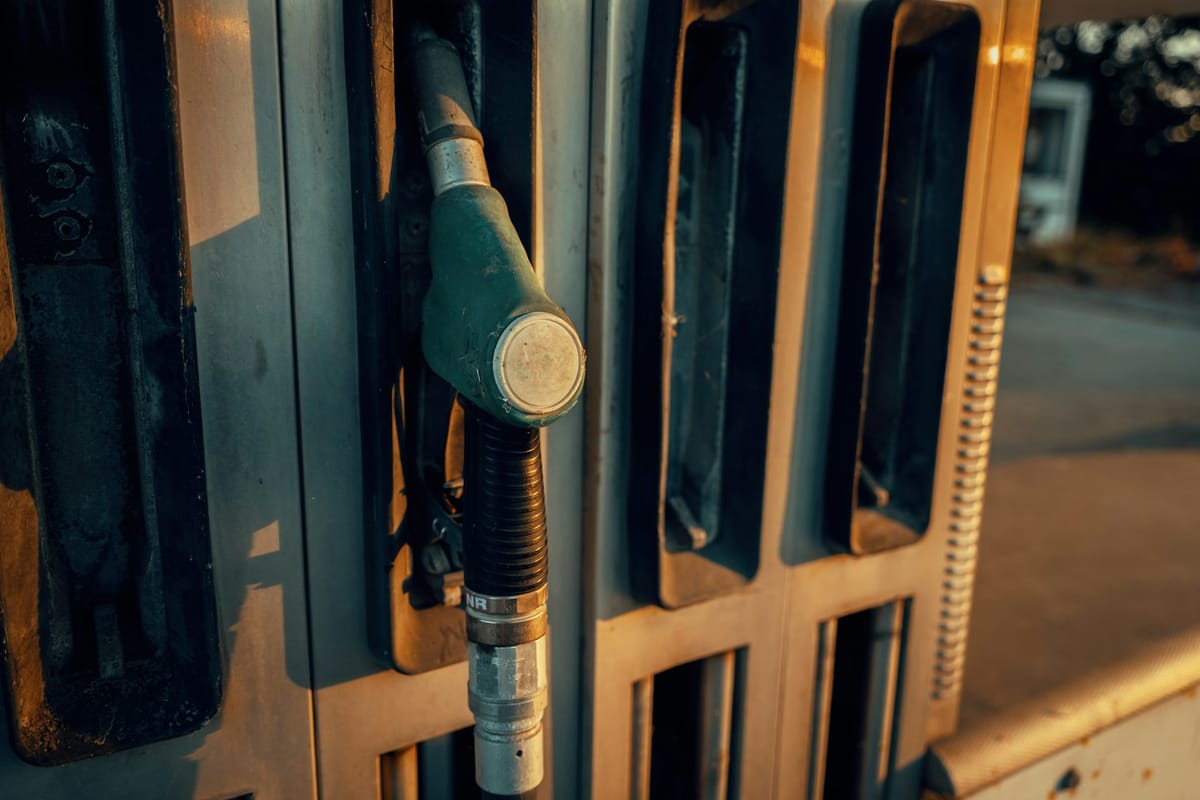
Drivers will see a smaller drop at the pump than international markets would suggest, after the Government on Friday confirmed it is reducing the temporary fiscal discount on the Imposto sobre Produtos Petrolíferos (ISP) for diesel by another 0.8 cents per litre from Monday.
It is the third cut to the diesel discount inside a month, and means the Government has clawed back 2.3 cents from the discount in two weeks — a small but meaningful redirection of the crude-price slide from drivers' wallets into the Treasury.
What the discount actually is
The ISP discount is a temporary mechanism the Government has used since 2022 to absorb part of the wholesale price shocks that have followed Russia's invasion of Ukraine and, more recently, the Hormuz crisis. Operationally, the Treasury allows operators to deduct a fixed cents-per-litre amount from the ISP they would otherwise owe. When wholesale prices fall, the discount has been routinely trimmed so that part of the relief flows back to public accounts rather than into pump prices. When wholesale prices rise, the discount is raised again.
This week's cut means the effective ISP rate on a litre of diesel rises to roughly 30 cents, after sliding through most of the spring as the Government sought to hold pump prices steady during the Hormuz fuel pivot. The discount on unleaded gasoline remains unchanged at 4.5 cents per litre, where it has been since mid-April.
How big a drop drivers will actually see
The wholesale move would, on a clean pass-through, deliver a diesel drop of more than ten cents at the pump on Monday. With the 0.8-cent ISP cut layered on top, the actual visible decrease at the forecourt is expected to land in the 9-10 cents per litre range. For a driver filling a 50-litre tank, that is roughly €4.50 to €5 in savings versus last week.
Petrol drivers, where the discount has been left alone, are expected to see a smaller drop — close to one cent — reflecting a flatter wholesale move on unleaded.
The political logic
The Environment and Energy Minister, Maria da Graça Carvalho, has consistently framed the recent trimming of the diesel ISP discount as a climate-aligned choice rather than a stealth tax rise. Speaking earlier in the month, she argued the Government did not want to encourage "excessive use of fossil fuels" by passing through every cent of any wholesale fall. The Finance Ministry, for its part, has been blunter: at current borrowing costs, every cent of ISP recovered is a cent that does not need to be raised elsewhere.
For the Government, the calculus is symmetric. With the Israeli-Iranian crisis still rolling through the Persian Gulf and Galp this week confirming a full reroute of jet-fuel imports away from the Gulf to West-coast US sources, Portuguese fuel pricing remains exposed to a potential next price shock. Holding back part of the discount now leaves more headroom to push the discount up again if wholesale prices flip.
What it means for residents
For households running diesel cars — still the majority of the Portuguese fleet, particularly outside Lisbon and Porto — Monday's prices will feel like relief, but a thinner relief than the underlying market move would suggest. Diesel remains roughly 35 cents per litre above pre-Hormuz levels; gasoline about 20 cents above. Even after Monday's drop, neither is anywhere near the price floors Portugal saw in early 2025.
For commercial fleets — from the long-haul transporters to the urban delivery operators — the rolling weekly recalibration of the discount has become an operational headache. Several industry bodies have called on the Government to publish a multi-quarter glide path rather than a week-by-week despacho. So far, the Finance Ministry has declined. On the pump-price and household-fuel-cost side, our read on the Monday 18 May pump-price reversal — gasolina simples 95 at €2.016/L (+4 cêntimos) and gasóleo at €1.970/L (+1 cêntimo) on ANAREC's DGEG-anchored Friday forecast as Brent punches past $107 on Hormuz pressure sets the latest reference.