Portugal's Transparency Watchdog Verified Just 883 of 8,620 Politician Declarations in Two Years — Ana Raquel Moniz Says EpT Needs 11 More Staff to Police 10% Backlog
EpT's first full activity report shows just 883 of 8,620 declarations filed by political office-holders between March 2024 and December 2025 were verified — a 10.24% rate. President Ana Raquel Moniz says she needs 11 more staff.
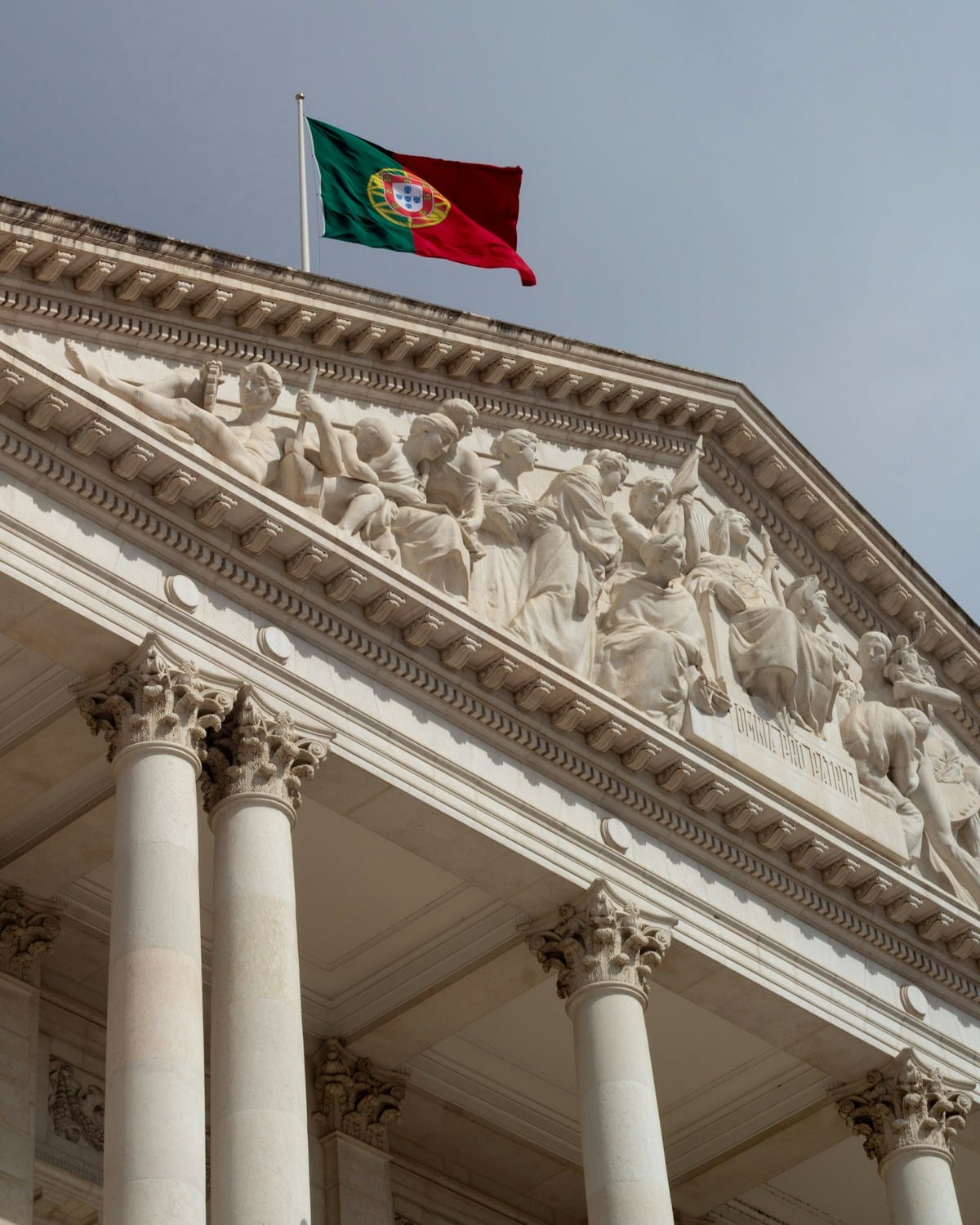
Portugal's young transparency authority — the Entidade para a Transparência (EpT), seated alongside the Constitutional Court in Lisbon — has published its first full activity report, and the headline number is sobering. Between March 2024, when the EpT began receiving sworn declarations, and the end of December 2025, the body verified just 883 of 8,620 declarations filed by holders of political office and senior public-administration roles. That is an audit rate of 10.24%, with another 244 verifications still under way at year-end.
What the EpT is supposed to do
Created in 2019 and formally seated in February 2023 under the leadership of Ana Raquel Moniz, the EpT inherited the constitutional mandate to scrutinise the unified declarations that ministers, secretaries of state, deputies, mayors, members of regional governments, magistrates and senior civil servants must submit on taking and leaving office. Each declaration covers rendimentos (income), património (assets), interests, incompatibilities and impediments — the legal toolkit Portugal uses to detect undeclared business links, illicit enrichment and conflicts of interest. The 8,620 declarations sitting in the EpT's queue cover the past parliamentary term, two general elections, two municipal cycles and a presidential race.
The staffing crunch
The EpT operates with thirteen people. Three senior technicians specialised in law and audit were added in 2025, but the proposal to expand the establishment table — submitted to government and parliament — sat unanswered through the year. President Moniz puts the gap bluntly in the report: the EpT needs at least eleven additional positions to occupy the office space already provisioned and to bring the verification rate up to a credible level. Without those reinforcements, the 10% audit ratio is not a one-off bottleneck — it becomes the steady state.
Where the platform does work
One area where the EpT looks healthier is public access. Of 1,105 third-party access requests filed during the period, 998 (90%) were approved, with an average response time of four working days. 95% of those requests came from journalists with professional credentials, suggesting that the public-facing platform is doing what it was designed to do: feeding investigative reporting on the political class.
The most-trafficked single moment came in June 2025, when the controversy over Spinumviva — the consultancy linked to Prime Minister Luís Montenegro — drove more than 3,000 platform queries in a single day as journalists and citizens combed the company's declared client list.
The blocking trend
Politicians are pushing back. Requests by office-holders to restrict public access to specific declarations — usually on grounds of personal security or third-party privacy — almost tripled, climbing from 21 in 2024 to 56 in 2025. Each request has to be assessed individually by the EpT's small board (Ana Raquel Moniz alongside Mónica Correia and Pedro Miguel Nunes), adding to the workload that has already produced the 10% backlog.
The wider context: Portugal's anti-corruption gap
The report lands less than 24 hours after a separate ECO story confirmed that the Constitutional Court's Political Accounts and Financing Entity (ECFP) has not had the budget to open audit procedures on parties' annual accounts and campaign finances for 2023 and 2025 — 139 separate processes, with results not expected before 2027. Together, the two stories paint a picture of a Portuguese transparency architecture that exists on paper, has the legal powers it needs, and is starved of the people and money required to actually use them. With €40.6 million in public subsidies flowing to political parties this year alone, the gap between what the law promises and what the institutions can deliver is widening rather than closing.