Gondomar Takes the Douro to Europe's Premier Cruise Festival in Strasbourg
While most Portuguese municipalities attend European travel fairs with generic Portugal branding, Gondomar is taking a different approach. This week, the Porto metropolitan municipality is showcasing the Douro Valley at the Festival de la Croisière...
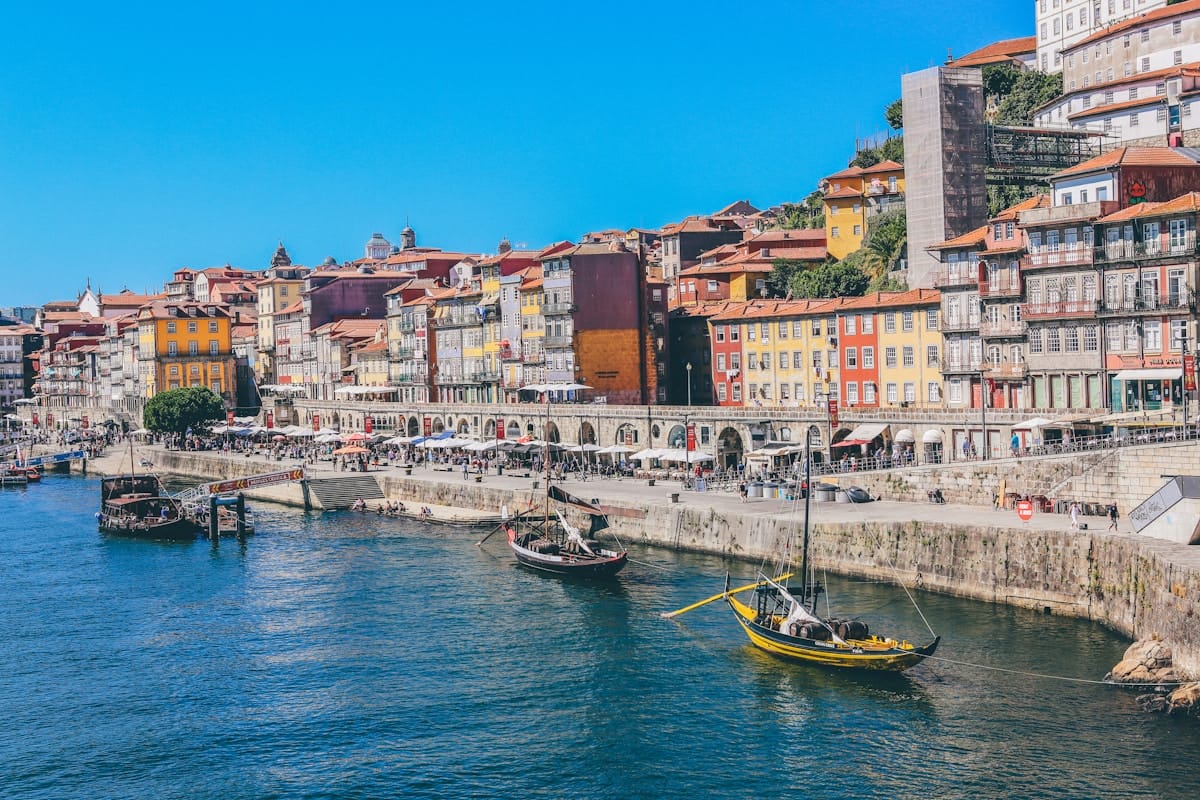
While most Portuguese municipalities attend European travel fairs with generic Portugal branding, Gondomar is taking a different approach. This week, the Porto metropolitan municipality is showcasing the Douro Valley at the Festival de la Croisière in Strasbourg, France—Europe's leading river and ocean cruise trade event.
The move signals Portugal's growing ambition in the river cruise sector, a tourism segment that has exploded since 2010 and now accounts for a significant share of luxury travel to the Douro region.
Why Strasbourg Matters
The Festival de la Croisière is organized by CroisiEurope, one of Europe's largest river cruise operators and a major player on the Douro. The event brings together cruise line executives, travel agents, and tour operators—the decision-makers who design itineraries and fill ships.
For Gondomar, attendance isn't about promoting beaches or historic monuments. It's about infrastructure. The municipality is presenting its recently certified Estação Náutica (Nautical Station), a network of marinas and docks integrated into Portugal's national nautical tourism framework.
Certification matters in this industry. It signals that a destination has the facilities—mooring, fueling, waste disposal, shore excursions—to handle commercial river traffic. For cruise operators planning multi-day itineraries, certified nautical stations reduce logistical risk.
The Douro's Cruise Boom
River cruising on the Douro has grown faster than almost any other European waterway over the past 15 years. What started as a niche offering—mostly German and British retirees on week-long wine tours—has become a cornerstone of Portugal's tourism economy.
The numbers tell the story. In 2010, fewer than 50,000 passengers cruised the Douro annually. By 2019, that figure had surpassed 400,000. The pandemic paused growth, but 2025 saw a full recovery, with cruise companies adding new ships and extending the season into shoulder months.
Unlike ocean cruises, river cruises skew older, wealthier, and spend more per day. The average Douro cruise passenger is 65+, books through a premium travel agent, and spends €200-300 daily on shore excursions, wine tastings, and local dining. For small municipalities like Gondomar, that's high-value tourism with low infrastructure strain.
Gondomar's Nautical Strategy
Gondomar sits at the lower Douro, just upriver from Porto. It's not a traditional tourist destination—there are no major monuments or UNESCO sites. But it has something cruise operators need: river access close to Porto's international airport and reliable docking infrastructure.
The municipality's Estação Náutica includes multiple marinas and docks, some purpose-built for river cruise vessels. Recent certification under the Rede das Estações Náuticas de Portugal (Portugal's Nautical Stations Network) puts Gondomar on the official map for cruise planning.
At the Strasbourg festival, Gondomar is pitching itself as an embarkation/disembarkation point—a place where passengers can join or leave cruises without traveling to Porto. For cruise lines, that flexibility matters. Itineraries that start or end outside Porto allow for different routing and reduce congestion at Porto's main terminal.
What This Means for Portugal's Tourism Landscape
Gondomar's presence in Strasbourg reflects a broader shift in Portuguese tourism strategy. After years of focusing on Lisbon, Porto, and the Algarve, regional municipalities are building specialized tourism infrastructure and marketing themselves directly to niche segments.
River cruising is ideal for this approach. Unlike mass beach tourism, which requires large hotels and transport networks, river tourism depends on smaller-scale infrastructure—docks, guides, local partnerships. Municipalities with riverfront access can compete without massive capital investment.
For the Douro Valley as a whole, the growth of cruise tourism has been transformative. Wine estates that once relied on domestic sales now generate significant revenue from cruise excursions. Restaurants in riverside villages cater to pre-booked cruise groups. Even small museums and craft producers benefit from the predictable flow of visitors.
But growth brings challenges. The Douro's locks—originally built for cargo transport—now operate at or near capacity during peak season. Environmental concerns about river traffic and waste disposal are rising. Some residents in Peso da Régua and Pinhão complain that cruise passengers arrive, spend a few hours, and leave without contributing much to the local economy beyond guided tour fees.
What This Means for Expats
For property investors: Municipalities along the Douro with certified nautical stations are positioning themselves for long-term tourism growth. If you're considering rural property investment, proximity to cruise infrastructure could add value—especially as cruise companies expand itineraries beyond the traditional Peso da Régua–Pinhão corridor.
For business owners: River cruise tourism is B2B-heavy. Cruise lines contract with local guides, transport providers, wineries, and restaurants months in advance. If you run a business in the Douro region, getting on a cruise line's approved vendor list can provide steady, predictable revenue during the tourism season.
For retirees and remote workers: The Douro's cruise boom is pushing infrastructure improvements—better roads, upgraded marinas, faster internet—into municipalities that were previously overlooked. Gondomar, Mesão Frio, and other lower Douro towns are becoming more accessible and better connected, making them viable alternatives to Porto for those seeking lower costs without sacrificing amenities.
For anyone considering a Douro cruise: Booking shoulder season (April-May, October) offers better availability and lower prices than the peak summer months. Many cruise lines now offer embarkation from Gondomar or other secondary ports, reducing the need to transit through Porto.
The Bigger Picture
Gondomar's trip to Strasbourg is a small data point in a larger trend: Portugal's regions are professionalizing their tourism strategies. Instead of relying on national tourism boards, municipalities are investing in niche infrastructure, obtaining international certifications, and marketing directly to specialized operators.
For the Douro, that means less dependence on wine tourism alone and more diversification into nautical sports, cycling, and upscale hospitality. For Portugal as a whole, it means tourism growth that spreads beyond the big three (Lisbon, Porto, Algarve) and into municipalities that have historically struggled with depopulation and economic stagnation.
River cruising won't solve the Douro's demographic challenges, but it's injecting cash, creating jobs, and giving local governments a reason to invest in infrastructure. That's a trade most rural Portuguese municipalities would gladly take. (Background: see our piece on the 2026 cycling guide for foreign residents in Portugal.). (Background: see our piece on the the Vodafone Rally de Portugal 2026 ceremonial start at Santa Clara.)
Background: See our practical 2026 guide to Santos Populares — Lisbon's Santo António, Porto's São João and the June festival calendar. On the Norte tourism and regional-economy side of the file, our 30 May read on IPDT's 29 May counterfactual study on the Porto-and-Norte tourism footprint — €2.4 billion in VAB and 117,321 direct jobs (5.25% of regional VAB, 7.24% of regional employment), €4.2 billion and 195,000 jobs on the expanded reading that folds in indirect, induced and reputational effects, with Alto Tâmega at +8.3%, Tâmega-e-Sousa at +6.5%, Alto Minho at +6.2% and Douro at +3.9% outpacing Grande Porto on the Q1 2026 dormidas tape sets the latest reference. On Porto's roads and traffic, our report on Porto's weekday lorry ban across the VCI ring road sets the latest reference. On the Iberian water-sharing, drought and Algarve-supply side of the file, our read on Portugal and Spain striking the lower Guadiana's first binding flow regime to secure the Pomarao water intake sets the latest reference. On the local-government finance, property-tax and tourist-tax side of the file, the surge in Portugal's municipal surplus sets the latest reference. On the tourism, cruise and port-economy side of the file, the Port of Lisbon's record cruise June sets the latest reference. For readers planning a trip, our guide to riding the scenic Douro Line sets the latest reference. In dining and dealmaking, American Express's move to buy TheFork is now before Portugal's competition regulator. On the local-government side of the file, the new Porto to Gondomar municipal boundary sets out which parcels moved, and what a change of município does to a household's bills.